Studying Architecture in Spain
Spain has long been renowned worldwide for its unique architectural style—from Gaudí’s Barcelona to the Moorish palaces of Andalusia. Studying architecture here is not only about book knowledge, but also about immersing yourself in real cities and cultures. For students preparing to apply for a Spanish architecture undergraduate program, the Spanish Architecture education and lifestyle are closely intertwined and worth exploring in depth.
Application Requirements and Language Proficiency
When applying for a Spanish architecture undergraduate program, you typically need to have completed high school and provide transcripts and a diploma. Some universities offer English-taught programs for international students, but most degrees are still taught in Spanish, making language scores essential. It is recommended to prepare for the language exam a year in advance to ensure smooth admission.
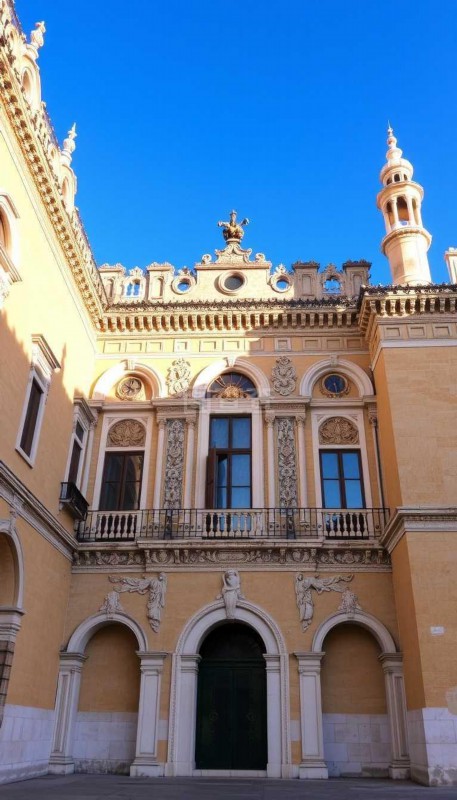
Popular Universities
Architecture education in Spain is mainly concentrated in several prestigious universities, such as:
| University Name | City |
|---|
| Technical University of Madrid | Madrid |
| Polytechnic University of Catalonia | Barcelona |
| University of Seville | Seville |
These institutions enjoy high academic reputations in Europe, and they maintain strong partnerships with local architecture firms, offering abundant internship opportunities.
Curriculum Structure
The undergraduate architecture program usually lasts five years. The first two years focus on theory and foundational design, including architectural history, structural mechanics, and drawing skills. From the third to the fifth year, students move into more advanced specializations in Spanish Architecture Undergraduate professional design, urban planning, sustainable architecture, and the final thesis project. Students participate in multiple design competitions during their studies, which helps build their portfolios.
Living Costs for International Students
Living expenses vary by city: Madrid and Barcelona have higher accommodation and transportation costs, around €900–€1200 per month, while Valencia or Granada are more affordable at about €700–€900 per month. Managing expenses wisely and taking advantage of student discounts are key to living in Spain. For food, local supermarkets and markets are reasonably priced, and cooking at home can save a considerable amount.
My Advice
If you are passionate about architecture and willing to invest time in learning the language and culture, then Spanish Architectural History makes Spain a place worth considering. Professors here emphasize practical skills, and classroom discussions are highly open. Do not be afraid to ask questions; participate actively in school and community architecture projects to hone your skills and expand your network. I hope my sharing can serve as a useful reference for your study abroad journey.
