The Charm and Preservation of Historic Building Facades in Spain
For those living in Spain, walking through the old streets of a city or wandering in small villages, it’s hard not to be drawn to the weathered colors of historic building facades. Especially when sunlight falls upon lime walls, brick walls, or sandstone surfaces, it feels like stepping back into centuries-old scenes. These facades are not only part of the architecture but also witnesses to history.
Common Facade Materials and Characteristics
Facade materials of historic buildings in Spain vary by region: white lime walls are common in southern Andalusia, while in the north façades often combine red bricks with stone. The table below shows several common materials and their characteristics:
| Material | Characteristics |
|---|
| Lime walls | Insulating and moisture-resistant, soft colors |
| Brick walls | Stable structure, varied craftsmanship |
| Stone walls | Weather-resistant, heavy texture |
These materials, in their texture, color, and surface detail, reflect local climate conditions and cultural aesthetics. If you ever visit Barcelona Historic Buildings, take a moment to touch these walls and feel the warmth of the centuries.
Historical Background of Facades
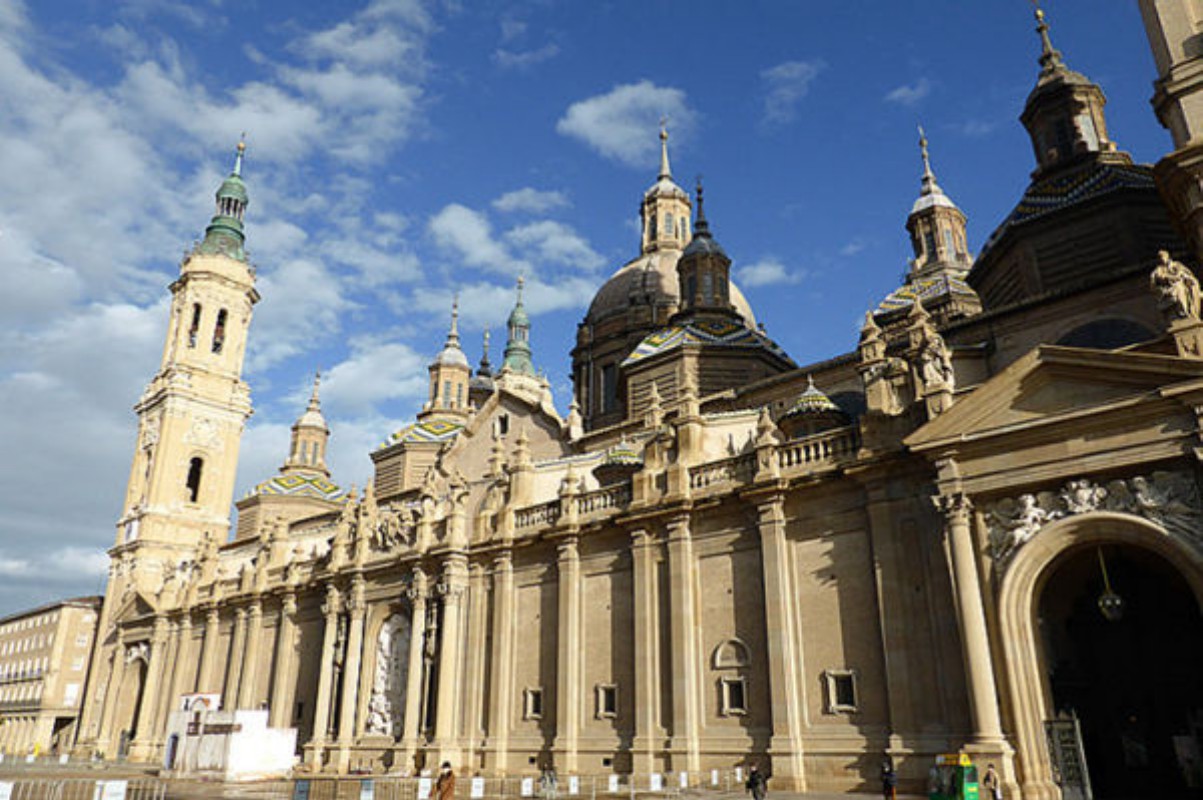
Many facades can be traced back to the Roman era or the Middle Ages, and some even bear traces of Arabic architectural styles. Islamic patterns, wooden balconies, and arched windows are all elements that may Spanish Historic Architecture appear on the facades. This blend of influences gives Spanish historic buildings a unique allure worldwide.
Restoration and Maintenance Experience
In certain old towns, residents voluntarily restore facades. When undertaking repairs, it’s important to use original or imitation historic materials to avoid damaging the existing structure. Never casually apply industrial paints, as this hinders the wall’s ability to “breathe.” Simple maintenance includes removing vegetation growth, checking for cracks, and periodically reapplying lime layers.
Personal Observations and Sharing
I once saw a stretch of wall in a narrow street in Toledo preserved intact for centuries, where you could faintly see the marks left by craftsmen chiseling stone. This made me realize that historic building facades are not merely decorative; they carry life stories and cultural memories.
For those fascinated by Spain’s Ultra-Tall Historic Buildings, whether you enjoy photography or architectural research, I suggest spending time in Spain’s old streets and alleys, talking to local residents about their restoration experiences. You’ll find that every facade is like a thick history book waiting for us to turn its pages.
