The Islamic Flair of Andalusia
In Spain’s southern Andalusia region, the Moors left behind a wealth of stunning historic structures, with intricate geometric carvings and arched portals that captivate visitors. The famous Alhambra Palace in Granada is the heart of Barcelona Historic Architecture here, built from red sandstone and set against snowy mountains, producing a magical play of light and shadow.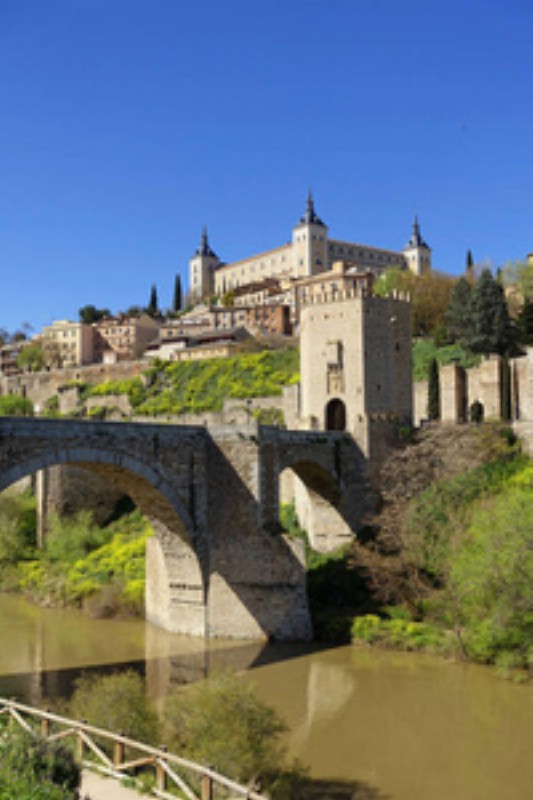
Beyond the Alhambra, Córdoba’s Mosque–Cathedral is also an unmissable stop, with arcades like corridors through time, allowing one to feel the intertwining of religion and culture.
Gothic and Modernism in Catalonia
Barcelona’s ancient Gothic Quarter brims with the charm of medieval alleyways, while Gaudí’s modernist masterpieces, such as the Sagrada Família, infuse unique natural inspiration into traditional forms. Inside the Sagrada Família, light streams through the Spain Historic Architecture stained glass, like a dream.
In this city, you can walk in a single day from Gothic stone walls to curving modernist buildings, experiencing the clash of different eras.
Castile’s Castles and Plazas
Castile and León is home to a dense concentration of Spain’s castles. Take Segovia as an example—here you’ll find the world-famous Alcázar Castle, with towers resembling those from fairy tales. Many tourists only take photos outside, but inside, the tapestries and carved wooden ceilings are equally worth exploring.
Castile’s many plazas, such as Salamanca’s main square, are surrounded by warm lighting at night, making them key spots to experience Spain’s social life.
Overview of World Heritage Cities
Here are some World Heritage cities worth visiting and their highlights:
| City | Architectural Highlight |
|---|
| Toledo | Gothic Cathedral |
| Ávila | Medieval Walls |
| Mérida | Roman Theatre |
| Santiago de Compostela | Pilgrimage Cathedral |
These cities have largely preserved their ancient street layouts, walking through them is like traveling across centuries.
Tips and Travel Advice
The best seasons to explore Spain’s historic architecture are spring and autumn, when the climate is mild and crowds are smaller. Walking is recommended in central areas, making it easier to discover hidden buildings not found in tourist handbooks. In small alleys or old quarters, you may come across moss-covered stone walls and still-functioning ancient wells—living fragments of Spain’s history.
If Spain Ultra-Tall Historic Architecture you are interested in architectural details, carry a small telescope to spot carvings high atop towers. This style of traveling brings you closer to historic architecture, moving beyond mere photography to immerse yourself in its historical and cultural atmosphere.
