The Unique Value of Spain’s Historic Architectural Chronicles
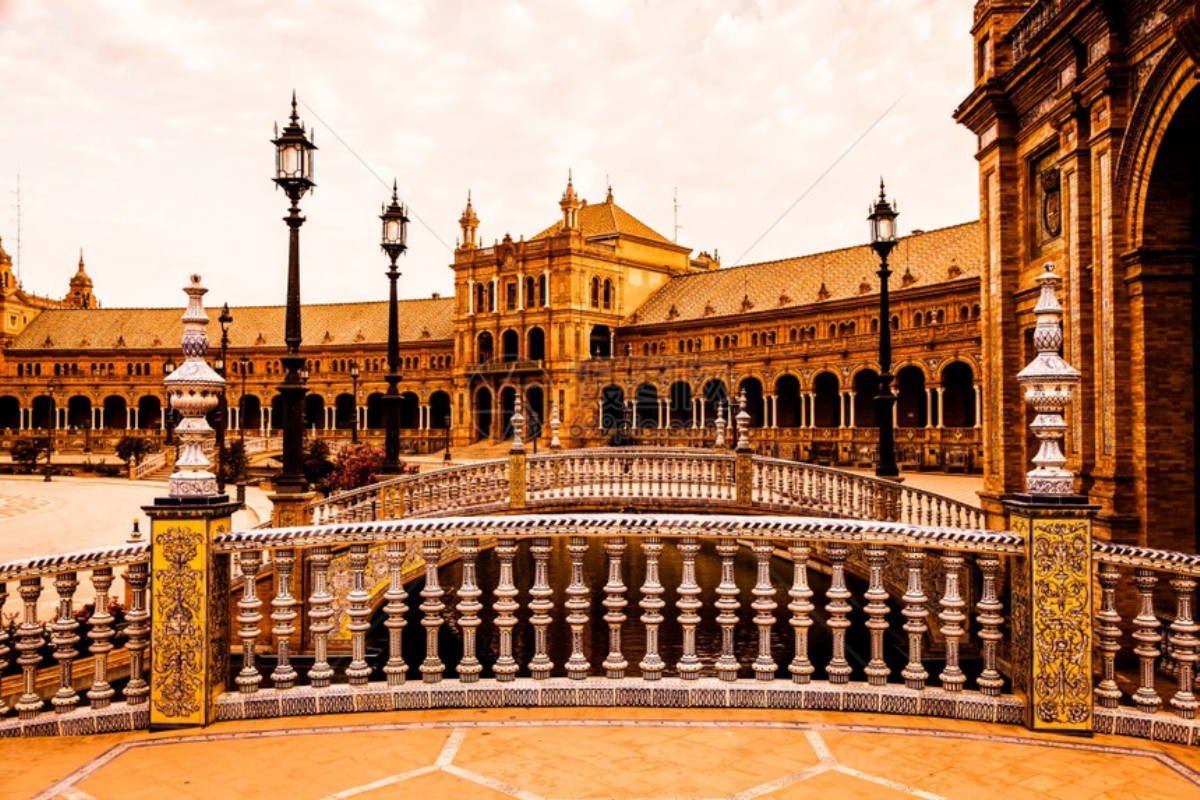
Spain’s historic architectural chronicles are not only documents that record architectural aesthetics, but also keys to understanding the evolution of civilization in this land. From Roman-introduced stone arch bridges to Moorish arcades and courtyards, these records allow us to feel the warmth of history when paging through them. Every chapter is filled with regional characteristics and imprints of its era.
Roman Ruins and Medieval Castles
During the Roman period, Spain possessed an extensive road network and magnificent public buildings, such as the aqueduct of Segovia. These structures are described in detail within the chronicles, including building techniques, sources of materials, and the innovative ideas of engineers at that time. Medieval castles more often reflected military and defensive needs, with massive stone walls and narrow arrow slits vividly portrayed in the pages. The Barcelona Historic Architecture section in particular highlights the local adaptations to these fortifications.
Moorish Art and Islamic Architecture
The Moors had a profound influence on the Iberian Peninsula. The Alhambra Palace in Granada is praised in the chronicles as the perfect combination of geometric aesthetics and garden artistry. Arched gateways and horseshoe-shaped windows, along with the vibrant tiles of Spain Historic Architecture, always spark the reader’s imagination. Documentation of Spain’s Ultra-Tall Historic Architecture helps modern restoration experts understand the original appearance and preserve the heritage.
Gothic and Renaissance Convergence
Gothic architecture in Spain extended and transformed, manifesting in cathedrals in Toledo and Barcelona. The chronicles analyze the structures of spires and flying buttresses in detail, while the Renaissance’s grand palaces integrated classical proportions with humanistic spirit. These writings reveal how architecture mirrors societal change.
Practical Information in Architectural Chronicles
Below is a table of common architectural elements found in the chronicles:
| Element | Features |
|---|
| Stone arch bridge | High stability, simple structure |
| Flying buttress | Supports high walls, reduces pressure |
| Horseshoe-shaped window | Moorish feature, highly decorative |
Such details aid scholars in research and help tourists recognize different architectural styles while exploring.
The Connection Between Daily Life and Architecture
In Spain, historic architecture is closely intertwined with daily life. Many chapters describe how festivals are held in castle courtyards or church squares, these scenes make readers feel as if they are truly there. Walking through these historic spaces, one can sense the culture and emotions that buildings carry. Reading and discussing historic architectural chronicles is not just an accumulation of knowledge, but also a dialogue that transcends time and place.
