Strength and Characteristics of Spanish Architecture
If you live in Spain for some time, it is hard not to be drawn to the architectural charm found in Spanish Architecture. From Gaudí’s works to modern sustainable designs, the country’s architecture has a notable presence on the global stage. Many ask, is Spanish architecture truly strong? I’ve gathered some observations for us to discuss.
Historical Background and Education System
Spanish architecture has deep historical roots. From Roman relics to the fusion of the Mudejar style, and from the legacy of Baroque and Gothic, these styles remain clearly visible in today’s cities. Modern architect training is mainly concentrated in top architecture schools in Madrid and Barcelona, with programs balancing theory and practice. This combination offers designers a broad creative space through Spanish Architecture Undergraduate Studies.
Representative Figures
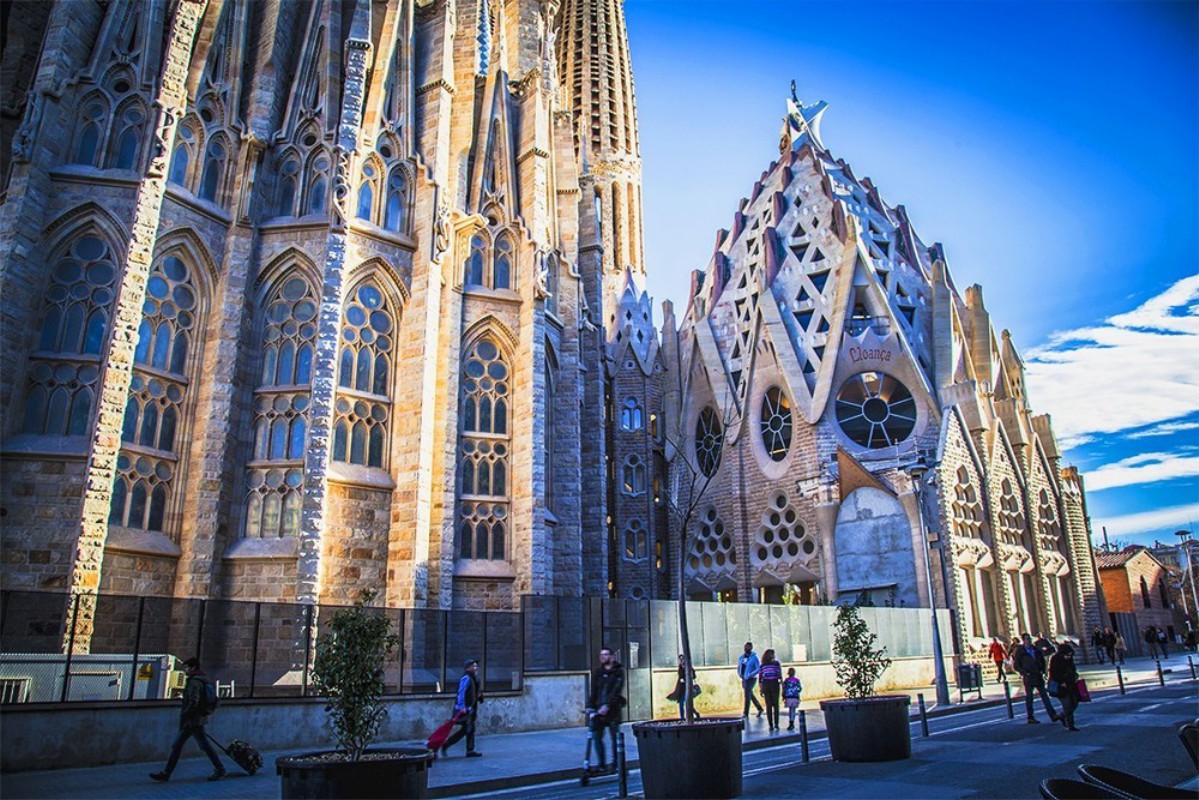
Beyond the well-known Gaudí, architects such as Santiago Calatrava also enjoy high international recognition. His works often blend structural aesthetics with a sculptural touch. These masters prove that Spanish architecture is not only the continuation of tradition but also a representative of modern innovation.
Architectural Styles and Urban Features
In Spain, architectural styles vary significantly from city to city. For example:
| City | Main Architectural Styles |
|---|
| Barcelona | Art Nouveau, Modernism |
| Madrid | Baroque, Contemporary High-Rise Design |
| Seville | Mudejar, Andalusian Traditional |
These differences make every city trip a unique visual experience and attract many architecture students and designers for field research and inspiration.
Contemporary Development Trends
In recent years, Spain’s architectural field has been actively exploring green building and sustainable development. For example, using solar energy, rainwater harvesting, and recycled materials to reduce a building’s environmental footprint. The government has also introduced various policies to encourage incorporating eco-friendly concepts into urban renewal projects. Compared to the past days of purely aesthetic pursuit, this marks a refreshing change of mindset.
Conclusion and Discussion
Overall, Spanish architecture boasts a solid traditional foundation, excellent education system, and vibrant innovative atmosphere. For those who love architecture and are passionate about History of Spanish Architecture, Spain offers not only a great place to learn but also an opportunity to admire world-class works. If you live in Spain or are interested in the architecture field, feel free to share the cases and insights you have encountered — perhaps we can discover more awe-inspiring works here.
