Exploring the Unique Patterns of Spanish Architecture
When strolling through Spanish cities, one is often captivated by the colorful patterns adorning walls, arches, and tiles. These designs are not only beautiful but also embody centuries of cultural fusion. From the geometric textures of the Alhambra Palace to the handmade tiles in the narrow streets of Barcelona, they form an inseparable part of the architecture.
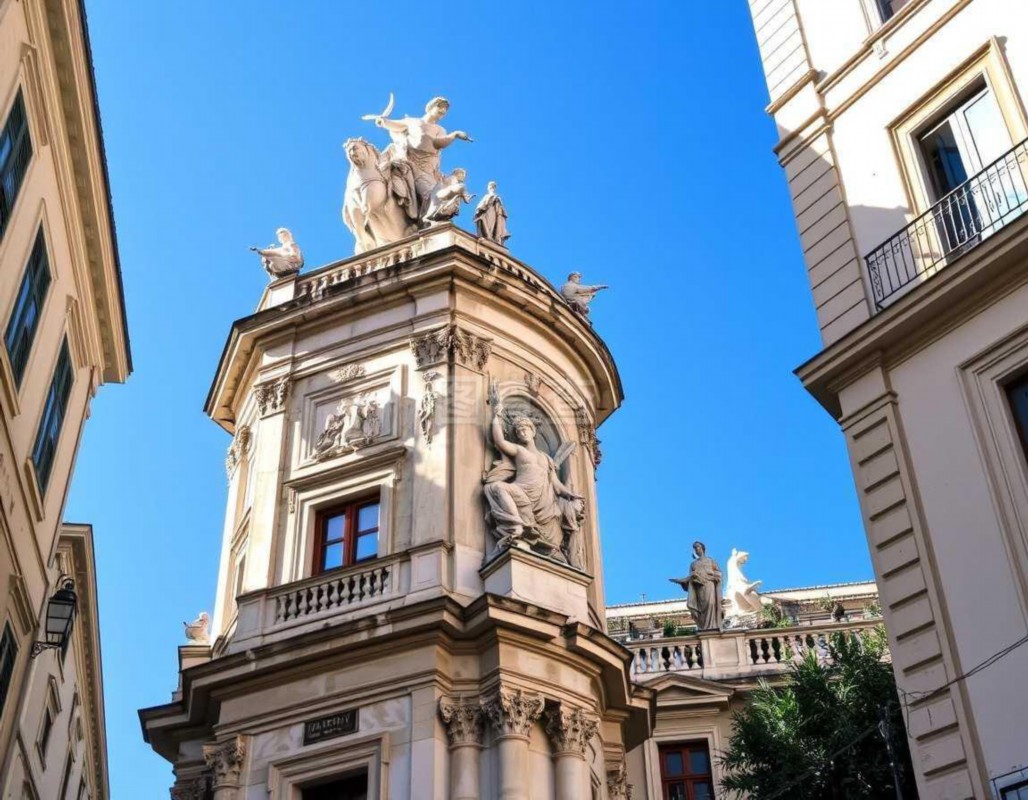
The Geometric Charm of Moorish Style
During the Moorish rule, Islamic art had a profound influence, and architectural patterns were characterized by complex, symmetrical geometric shapes. These motifs appeared not only in palaces and mosques but were also common in residential homes. Geometric designs convey a sense of order and infinite extension, creating visual balance and beauty. This design philosophy combining mathematics and aesthetics continues to inspire modern architecture centuries later.
The Liveliness of Ceramic Mosaics
In southern Spain, ceramic patterns are the soul of streets and courtyards. Especially in Andalusia, hand-painted ceramics display a rich spectrum of colors. Blue and white wavy lines and warm yellow petal motifs are not only used indoors but also widely applied to street signage. The durability and decorative appeal of ceramics make them an integral part of everyday life.
| Common Materials | Main Regions |
|---|
| Ceramic | Andalusia |
| Stone Carving | Castile Region |
| Wood Carving | Catalonia |
The Refined Details of Gothic and Baroque
Medieval Gothic architecture is famed for its pointed arches and rose windows, with carved patterns often inspired by nature such as vines and flowers. The Baroque period was more extravagant and elaborate, with façade carvings often covering whole walls, delivering a strong visual impact. Such meticulous detailing not only showcased the craftsmanship of artisans but also reflected the social aesthetics and religious beliefs of the era.
The Beauty of Contemporary Fusion
Today, Spanish architects enjoy combining traditional patterns with modern materials. For example, incorporating ceramic mosaic elements into glass curtain walls, or using laser-cut metal panels to create Moorish-style geometry, forming a dialogue between past and future. Some worry that such fusion might weaken traditional characteristics, but more Spanish characteristic architecture enthusiasts believe it is a way for Spanish lighting architecture to keep culture alive.
Travel and Appreciation Tips
If you are planning a trip featuring Spanish characteristic architectural cartoons, it is recommended to photograph architectural patterns at dawn or dusk, when the changes in light and shadow make the designs appear more three-dimensional. In Granada, Seville, Barcelona, and beyond, you can find well-preserved and stylistically diverse patterns. Take your time to appreciate each line and shade—you will discover that they are not merely decoration but also vivid fragments of history.
