How Many Years Does Architecture Take in Spain
For many prospective students planning to study architecture in Spain, the main question is how long the program lasts. Based on my personal experience and discussions from Spanish Architecture with fellow students, mainstream architecture programs in Spain generally have a 5-year undergraduate stage, though some universities have extended it to 6 years through reforms. After graduation, you can directly apply for registration as an architect.
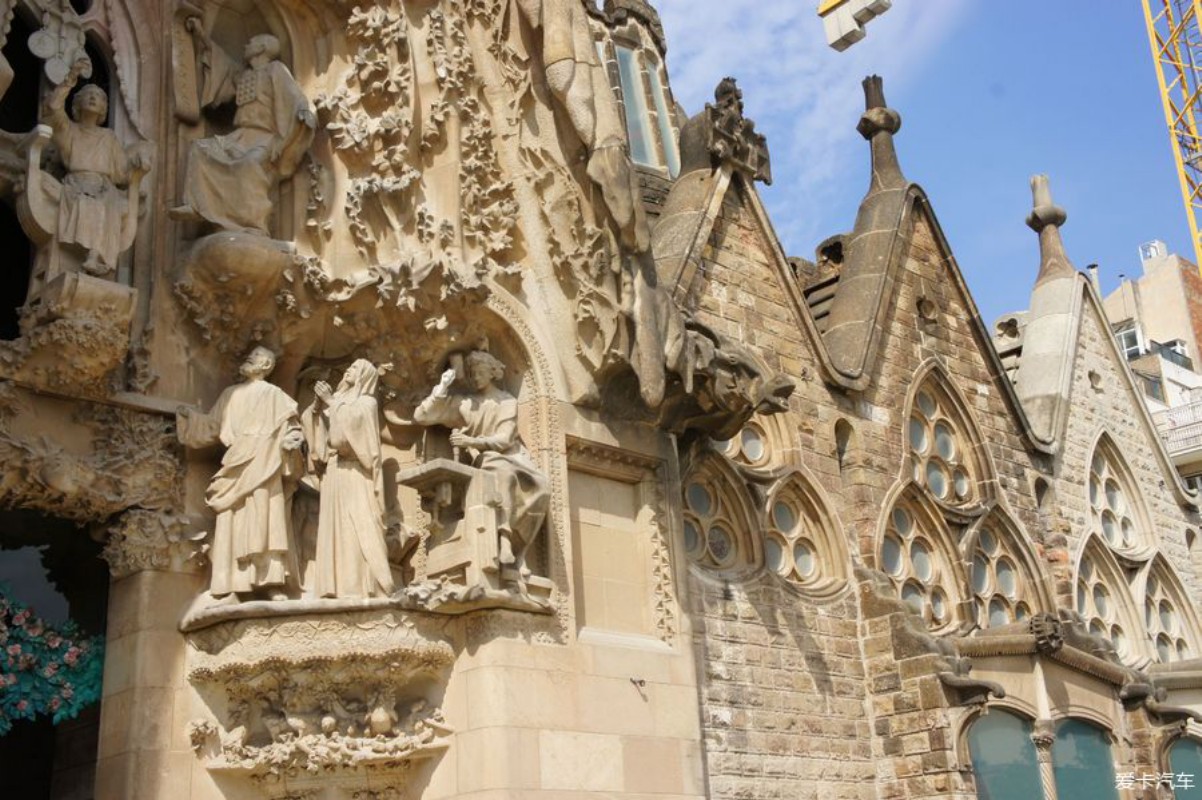
Program Structure
Architecture education in Spain is not merely theoretical; it integrates design, structural engineering, materials science, and urban planning. Below is a typical structure:
| Year | Curriculum |
|---|
| Years 1-2 | Architectural fundamentals, drafting, history, mathematics |
| Years 3-4 | Architectural design, structural engineering, environmental design |
| Year 5 | Final project, internship, research project |
Features of the Learning Process
Compared to other countries, the pace of studying architecture in Spain is relatively intensive. Besides classroom learning, there are numerous workshops and on-site measurements. If you enroll in cities like Madrid or Barcelona for your Spanish Architecture Bachelor, you can participate in real projects and collaborate with local communities. Such practical opportunities are extremely valuable.
Study Abroad Preparation
As a History of Spanish Architecture foreign student, before applying you need to prepare language proficiency scores; some universities also offer international programs taught in English. Additionally, it’s important to understand visa requirements, accommodation, and living costs in advance. It’s recommended to pay close attention to official admissions guides from universities to avoid incomplete information affecting your enrollment.
Graduation and Career Development
After graduation, you can choose to work directly in Spain or pursue a master’s degree. Architects are in high demand in the Spanish job market, though competition is fierce. Students with an international background might consider career paths in design studios, urban planning agencies, or international NGOs. Avoid limiting yourself to a single direction—exploring multiple options can lead to greater opportunities.
We hope this information helps those considering studying architecture in Spain. If you have more experiences or questions, feel free to join the discussion in the replies below.
