The Unique Styles of Spanish Church Architecture
Spanish church architecture holds a significant place in world architectural history, with its diverse styles being the result of centuries of cultural accumulation. From ancient Romanesque to intricate Gothic and lavish Baroque, each church carries the imprint of a unique culture and era.
The Grandeur and Solidity of Romanesque
Romanesque architecture in Spain mainly flourished between the 11th and 12th centuries, characterized by thick walls, semi-circular arches, and relatively austere decoration. Churches of this style often convey a sense of strength and stability, and Spanish church architecture seems designed to safeguard its faithful for centuries. For example, some ancient monasteries in the Castile region are classic representatives of this style.
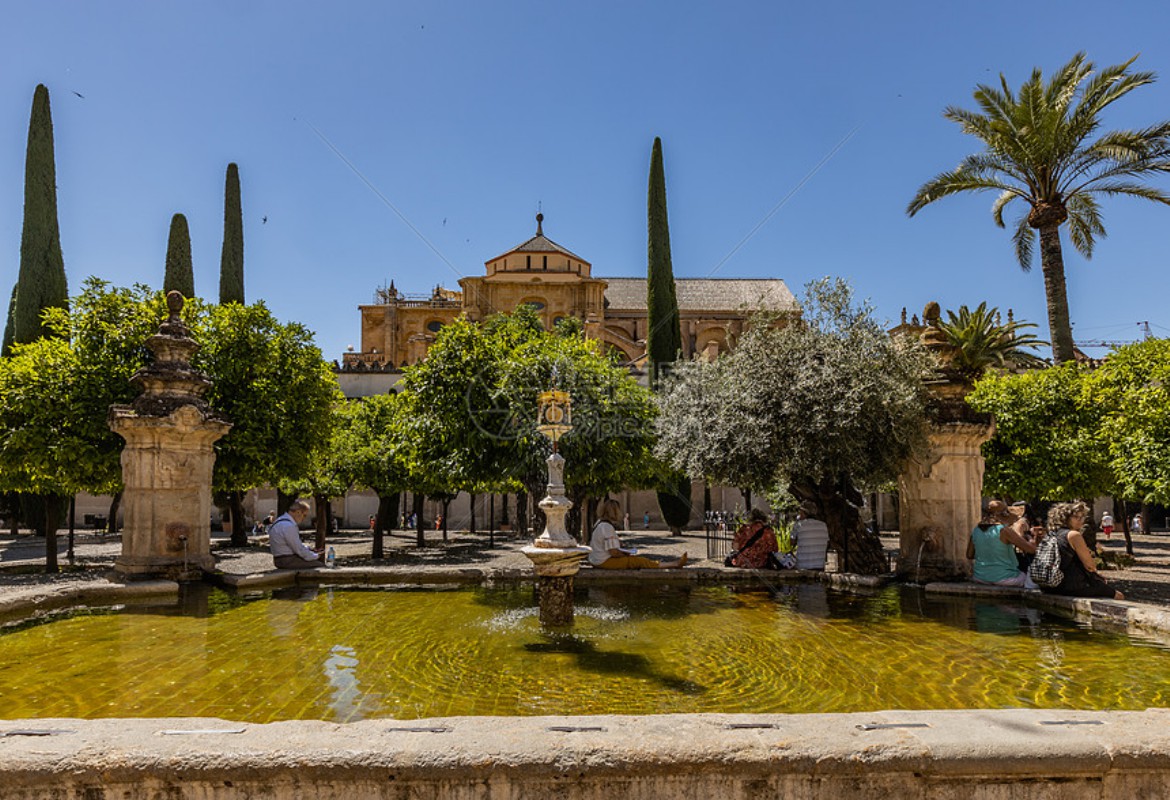
The Height and Light of Gothic
The Gothic style arrived in Spain in the 13th century, famous for its towering spires, flying buttresses, and large expanses of stained glass. This design not only made church interiors more spacious but also skillfully used natural light to create a mysterious and sacred atmosphere. The Basilica of Santa Maria del Mar in Barcelona is one of the most representative buildings of this style.
The Opulence and Detail of Baroque
By the 17th century, the Baroque style was flourishing in Spanish churches. Interiors were richly decorated, with detailed carvings and intertwined gilded elements, delivering a strong visual impact. Architecture from this period was not only a religious venue but also a symbol of art and power.
| Style | Main Characteristics |
|---|
| Romanesque | Thick walls, semi-circular arches, simple decoration |
| Gothic | Tall spires, flying buttresses, stained glass |
| Baroque | Gilded decor, complex carvings, grand layout |
A Contemporary Blend of Styles
Modern Spanish church architecture retains traditional styles while incorporating contemporary design concepts. Some works use minimalistic lines and extensive glass, echoing history while showcasing modernity. This fusion makes churches not only places of faith but also an integral part of urban cultural life.
Conclusion
If Spanish-language church architecture you are passionate about architecture and history, then Spanish church builders Spanish churches are undeniably worth an in-depth journey. From the old towns in the north to Andalusia in the south, every step reveals the passage of time and cultural fusion. This distinctive architectural aesthetic is one of Spain’s most precious gifts to the world.
