Builders and Historical Background of Spanish Churches
Spanish churches are not only places of worship but also architectural landmarks that witness the passage of history. Many travelers wonder: who exactly built these magnificent churches? The answer is not singular, as churches from different eras have vastly different builders and stories behind them.
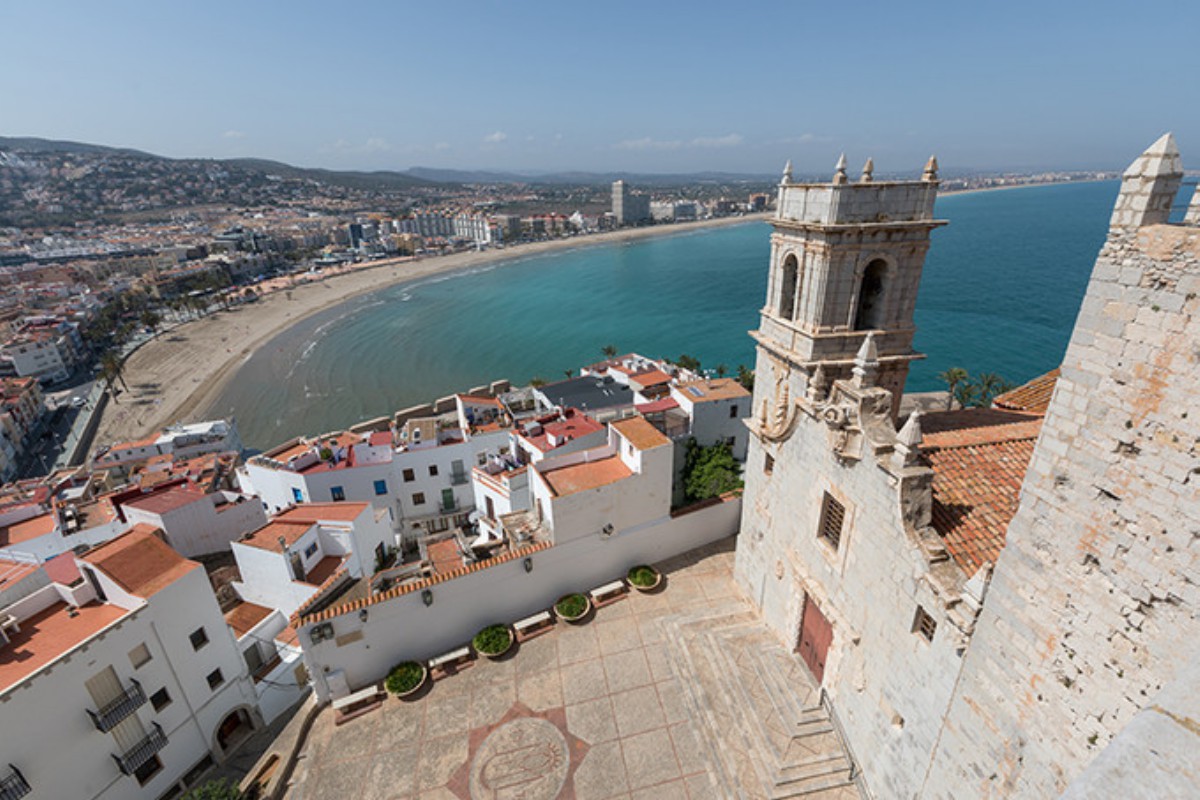
Religion and Royal Power in the Middle Ages
In medieval Spain, the construction of churches was often led by the Catholic Church, with bishops, monasteries, and religious communities acting as the main driving forces. At the same time, kings and nobles provided funding and land support for Spanish church architecture, hoping through donations and construction to display piety and authority. For example, during the Kingdom of Castile period, large Gothic churches were products of the union between royal power and faith.
The Role of Master Builders
While the funding and planning came from the Church and the crown, the ones who physically laid the stones were thousands of craftsmen and masons. The Stone Masons’ Guild held great influence at the time, with building skills passed down through generations, and many were itinerant artisans who brought design concepts from France and Italy into Spain.
| Historical Period | Main Builders |
|---|
| Roman Empire | Roman engineers and soldiers |
| Middle Ages | Church, royal power, guild craftsmen |
| Renaissance | Artists, architects |
| Baroque Period | Church, master artisans |
Regional Characteristics
Spain’s vast territory means that churches in different regions have distinct styles and builder backgrounds. Catalonian churches, often influenced by Mediterranean trade, incorporate more ornate elements, while Castile prefers a more austere and monumental style. These differences reflect not only aesthetic choices but also local economic and social structures.
Modern Preservation and Restoration
In modern times, restoration of many churches is undertaken by government cultural departments, private foundations, and volunteers. Modern restorers must balance historical authenticity with structural safety, sometimes using contemporary materials for reinforcement. Notably, the involvement of volunteer organizations allows more Spanish-language church architecture enthusiasts to learn about the stories behind Spanish church architecture, continuing public affection for these ancient structures.
Overall, the builders of Spanish churches form a diverse group across eras and social positions—from royalty to humble masons, from the Church to modern restorers—together shaping the architectural treasures we see today.
