Career and Lifestyle of Architects in Spain
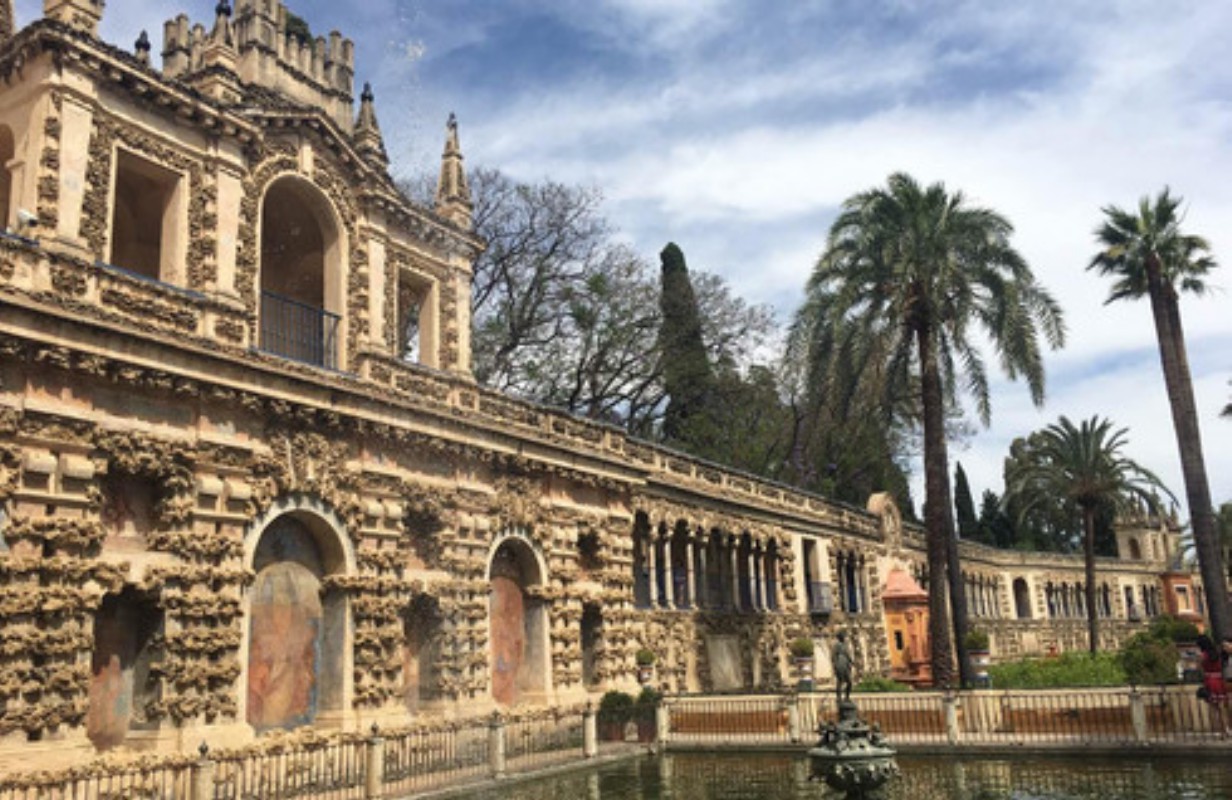
In Spain, working as an architect is not only a profession but also an experience deeply intertwined with culture, history, and lifestyle. The urban fabric and architectural style here blend classical and modern influences, requiring designers to create new spaces while respecting heritage.
Career Opportunities and Market Overview
Spain’s architecture sector has steadily grown in recent years, especially in metropolitan areas like Madrid and Barcelona, where there is a strong demand for high-quality residential properties, mixed-use commercial complexes, and public spaces.
| City | Type of Architectural Projects |
|---|
| Madrid | High-rise residential, office buildings |
| Barcelona | Cultural centers, urban regeneration |
| Valencia | Coastal resorts, public facilities |
According to the Spanish Architects Association, increasing international investment in the local market offers architects a broader stage to expand their creative visions.
Education and Qualification Requirements
To work as an architect in Spain, you usually need a master’s degree in architecture from an accredited institution and must pass relevant professional qualification exams. Many designers choose to participate in international exchange programs during university to become familiar with different design concepts and techniques. Proficiency in Spanish and English can greatly enhance opportunities for international projects.
If you plan to develop your career long-term in Spain, understanding local regulations and planning systems is essential.
Industry Culture and Design Concepts
Spanish architecture emphasizes interaction with the environment—from Gaudí’s organic curves to contemporary sustainable design philosophies, the focus is always on the relationship between people and space. Many design firms encourage interdisciplinary collaboration, integrating architecture, landscape, and interior design, and are open to adopting the latest digital modeling and virtual reality tools to improve efficiency.
Furthermore, clients here often care about how projects integrate with surrounding communities rather than purely their aesthetic appeal. This requires architects to have a more holistic vision when creating.
Lifestyle and Social Atmosphere
For architects, Spain offers a relatively relaxed pace of life. Afternoon breaks and abundant cultural activities often serve as inspiration for creative work, including from Spanish Architectural Design Regulations. In Madrid, you might discuss plans with colleagues in a café; in Barcelona, a walk by the seaside can spark ideas for new projects. Being in such an environment feels like engaging in a daily dialogue between aesthetics and functionality.
If you are already in Spain or considering developing here, exploring the Spanish Architectural Style can be enriching. Feel free to share your experiences and photos on forums with fellow professionals so more people can learn about the Spanish Architectural Design Regulation System, a career world that is equally challenging and captivating.
