The Charm of Spanish-Style Architecture
Spanish architectural design is renowned worldwide for its distinctive character, blending the warmth of the Mediterranean with deep historical and cultural influences. Walking through the streets, you will notice vividly colored façades, expansive arched gateways, and intricately crafted wrought iron balconies, as outlined in the Spanish Architectural Design Regulations. These elements are not only aesthetically pleasing but also reflect considerations of regional climate, craftsmanship, and lifestyle.
Building Materials and Color Application
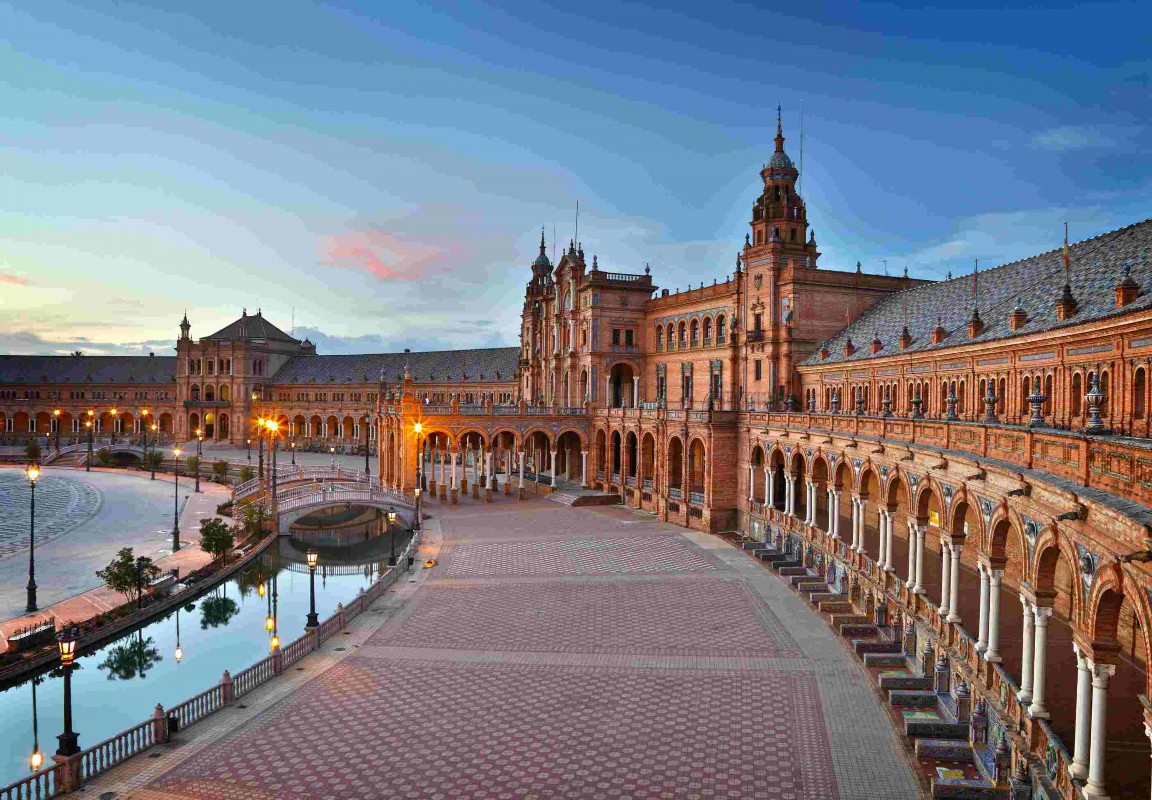
Traditional Spanish architecture often uses terracotta tiles, stone, and wood. These natural materials help integrate buildings into their environment. Exteriors tend to be white or warm-toned to reflect intense sunlight. The terracotta tile roofs are a signature feature, offering both beauty and effective insulation. In some coastal areas, mosaics adorn walls to create a unique Mediterranean visual effect.
Spatial Layout and Structural Features
Spanish-style layouts emphasize the harmony between indoors and outdoors. The courtyard is the core element, designed to bring in light and air, creating a comfortable microclimate. Arched doors and windows as well as softly curving corridors enhance beauty and reinforce structural stability. Semi-open arcades are often situated between functional areas, providing spaces for rest and views in accordance with the Spanish Architectural Design Regulation System.
| Design Element | Function and Significance |
|---|
| Courtyard (Patio) | Temperature regulation, social venue |
| Terracotta tile roof | Thermal insulation, rain protection |
| Arch structure | Soft visual appeal, high stability |
Decoration and Detailing
Spanish style values intricate details such as wrought iron railings, carved wooden doors, and handcrafted ceramic tiles. Wrought iron balconies serve as both safety features and integral parts of the streetscape. The handcrafted ceramic tiles are often used on stair risers or wall borders, with patterns including geometric and botanical motifs. The Architectural Designers in Spain make use of rich colors, infusing spaces with a vibrant sense of life.
Integration with Modern Design
In contemporary architecture, many designers reinterpret Spanish style using modern materials and techniques. For example, replacing wooden beams with steel structures while retaining terracotta roofs and courtyard layouts. This blend meets the functional needs of modern living without losing the cultural charm, allowing residents to enjoy Mediterranean sunlight and breezes even in modern spaces.
