Rafael’s Architectural Journey
In Spain’s architectural scene, the name Rafael is often associated with unique geometric aesthetics and spatial designs rich in humanistic care. His works not only focus on functionality but also emphasize integration with the environment and culture. As an architect active in cities like Madrid and Barcelona, his designs consistently align with the urban context of Spain, allowing each building to blend seamlessly into the surrounding life.
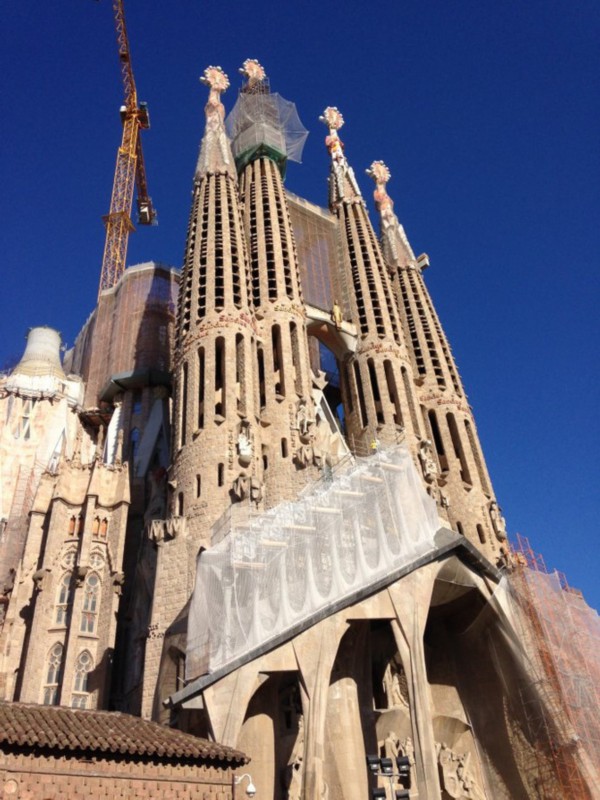
Design Philosophy and Style
Rafael’s design philosophy is greatly influenced by the Mediterranean climate and Spain’s diverse culture. He tends to use natural lighting and transparent structures as well as Spanish Architect Home Inspirations local materials, enabling his buildings to maintain a comfortable indoor environment throughout the seasons. One of his representative works is a public library in Barcelona’s seaside community, combining modern clean lines with the delicate decoration of traditional Spanish tiles.
Representative Works
Below are some of Rafael’s most significant works in recent years:
| Project Name | City |
|---|
| Seaside Public Library | Barcelona |
| Hillside Residential Complex | Madrid |
| Contemporary Art Pavilion | Valencia |
These buildings feature notable innovations in structure and material selection. In the Hillside Residential Complex project, he harnessed the natural slope of the terrain to create multi-level spatial experiences, enabling residents to enjoy city views from terraces at varying heights.
Impact on the Community
Rafael’s projects are often not just individual buildings, but integral parts of community life. His planning approach reduces traffic disturbances, boosting opportunities for walking and public interaction, which is highly significant for Spanish Architect improving residents’ quality of life. For example, around the Contemporary Art Pavilion in Valencia, he specifically planned an open plaza, allowing arts events and citizen leisure to naturally merge.
Future Outlook
Many industry experts believe that Rafael’s future work in Spanish Architecture may further explore the integration of sustainable building and smart technology, such as implementing more automated systems for energy management and indoor climate control. If you live or travel in Spain, you might personally experience his works—spaces that balance beauty and practicality—which will help you understand why Rafael is so highly regarded in the architectural community.
