Features of Spanish Architectural Design Regulations
When living or working in Spain, if the [Spanish architectural design regulations] involve building, renovation, or refurbishment, you will inevitably encounter relatively detailed and strict architectural design rules. These regulations are not only about safety but also focus on aesthetics and environmental sustainability, directly affecting both architects and property owners.
Regulatory Framework and Policymakers
Spanish architectural design regulations are mainly composed of the national “Technical Building Code (CTE)” and supplementary regulations from each autonomous community and city. The CTE covers aspects such as structural safety, fire protection, and energy efficiency, while local ordinances often provide more detailed rules on façade styles, material colors, and height restrictions.
Core Requirements and Practical Details
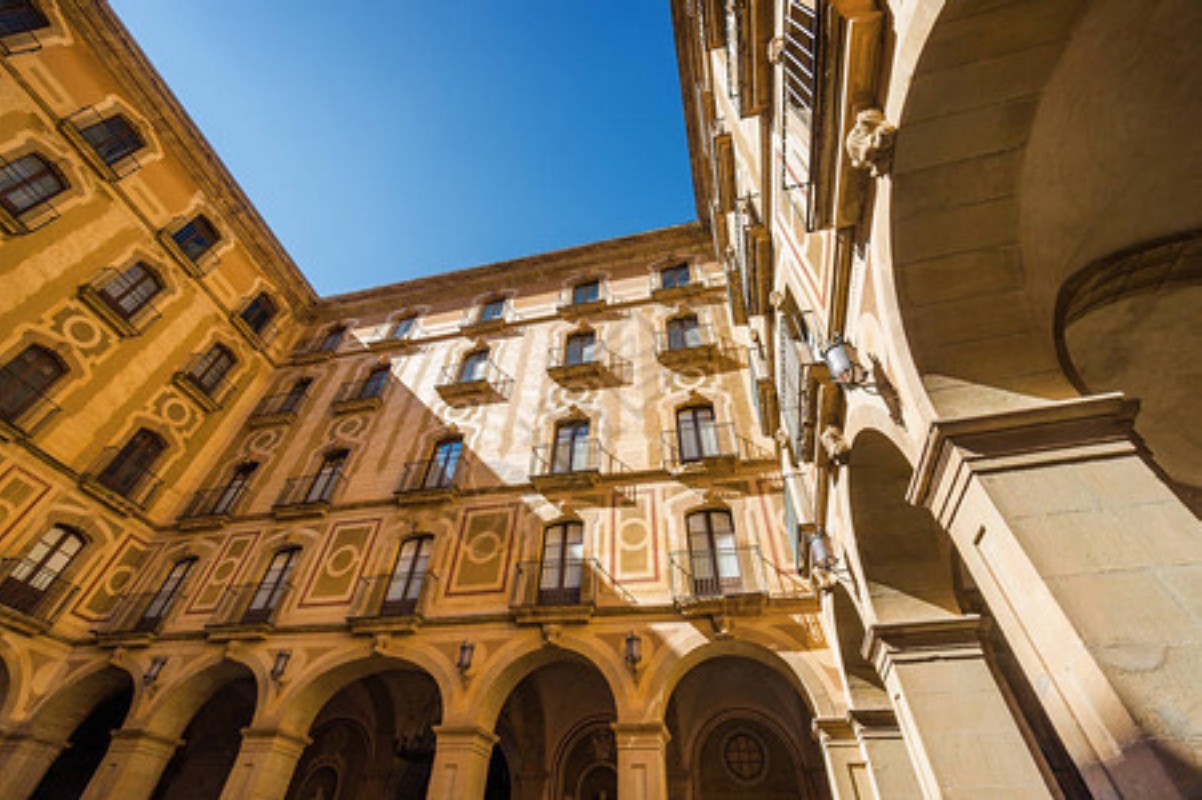
From structure to details, the regulations require buildings to have a reasonable load-bearing system, waterproofing, and thermal insulation, as well as considerations for light, ventilation, and accessibility. For instance, in terms of energy efficiency, the regulations mandate that new residences must achieve the minimum energy efficiency rating, and recommend installing renewable energy systems. In some historic city areas, regulations even specify the exclusive use of traditional local stone.
| Field | Requirement |
|---|
| Structural Safety | Compliance with CTE durability and seismic standards |
| Fire Safety Design | Escape routes, fire resistance ratings of materials |
| Energy Efficiency | Minimum energy efficiency rating, promotion of solar energy |
Approval Process and Workflow Experience
Obtaining a construction permit usually requires submitting a complete design proposal and technical specifications, with all drawings signed by a registered architect. The local government will organize reviews, sometimes also requiring input from environmental authorities. This process may last from weeks to months, so it is important to understand Spanish architectural styles in advance and communicate with the relevant departments.
Common Challenges and Coping Strategies
Some old town areas are designated as cultural heritage sites, requiring stricter compliance during renovations. This includes restrictions on appearance changes, material replacements, and construction times. From personal experience, before officially submitting documents, having informal discussions with municipal technical staff to get preliminary feedback on your design can reduce the risk of rework.
Conclusion and Interaction
Spanish architectural design regulations may seem complex, but they embody a balanced pursuit of safety, culture, and the environment. If you plan to design or build locally, it is advisable to refer frequently to official texts and combine them with on-site inspections. Everyone is welcome to share your regulatory experiences or approval stories in the comments section, so more people can navigate the [Spanish architectural design regulatory system] with fewer detours.
