Introduction
Across Spain, buildings scattered throughout the country not only showcase local culture and art, but some Spanish landmark buildings have been classified as illegal constructions due to planning approval issues, land use disputes, or environmental protection concerns. Such constructions often spark public debate, even becoming Spanish illegal landmarks — alternative icons that are both scenic attractions and conversation starters.
Case Review
Unapproved High-rise in Benidorm
Benidorm’s coastal skyline is famous for its dense high-rises, and one notable tower was deemed illegal after completion for failing to meet height and structural standards. Nevertheless, its distinctive shape has made it a popular photo backdrop for many tourists. 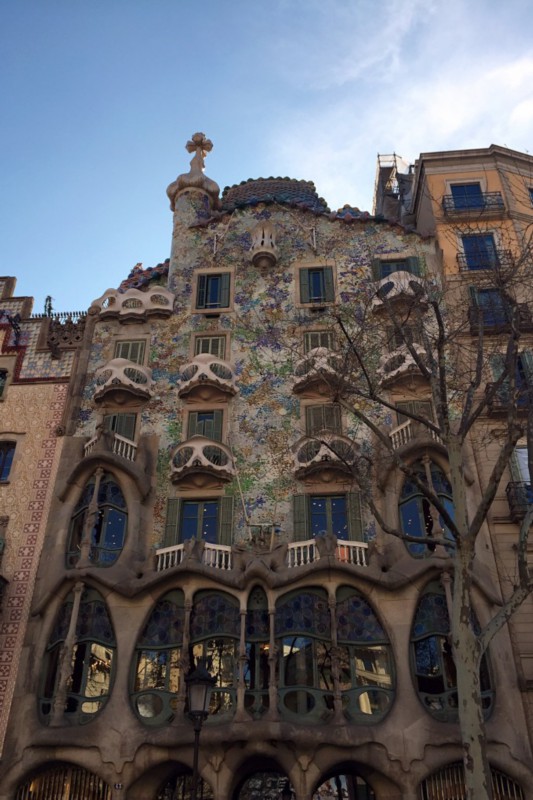
Riverside Check-in Spot in Seville
Beside the Guadalquivir River in Seville stands an unauthorized elevated platform, originally intended for sightseeing, but constructed without a permit. Although the city has since sealed it off, it has gone viral on social media.
| City | Type of Illegal Construction |
|---|
| Benidorm | High-rise residential |
| Seville | Riverside viewing platform |
| Barcelona | Historic district redevelopment |
Controversies and Law
According to building regulations of Spain’s autonomous communities, once a construction is recognized as illegal, it usually faces fines, demolition orders, or mandatory modifications. Especially in protected areas, unauthorized building carries greater legal risks. In many cases, the tug-of-war between property owners and municipal authorities drags on for years, keeping these structures in the news.
Social Impact
Illegal landmarks can sometimes bring unexpected economic benefits to cities, attracting tourists, photographers, and even documentary crews. However, the effect is not always positive. Long-term illegal construction may Spanish iconic buildings damage the city’s image and raise doubts among residents about the rigor of law enforcement.
Conclusion
Spain’s illegal landmarks are like mirrors reflecting the tension between urban development and regulation. The marks they leave on the map serve both as reminders to follow the rules and as chapters that enrich architectural tales. Does your city have such illegal landmarks? Feel free to share your observations in the comments.
