Review of Spain’s Illegal Landmark Buildings
In Spain, beyond those Spanish landmark buildings rich in history and artistic charm, there are also some controversial “landmarks” that have become illegal constructions due to planning approval issues, funding breakdowns, or changes in their intended use. Some of these structures boast unique designs, while others have stood unfinished for years, attracting curious visitors eager to take photos.
Coastal High-Rise in Andalusia
In a small seaside town in Andalusia, a massive residential tower was classified as illegal after the developer went bankrupt and due to incomplete approval documents. Today, although it cannot be sold or officially inhabited, it has become a topic of conversation among local fishermen and tourists. Walking along the sunset coast and seeing this half-abandoned high-rise inevitably evokes a sense of desolate beauty.
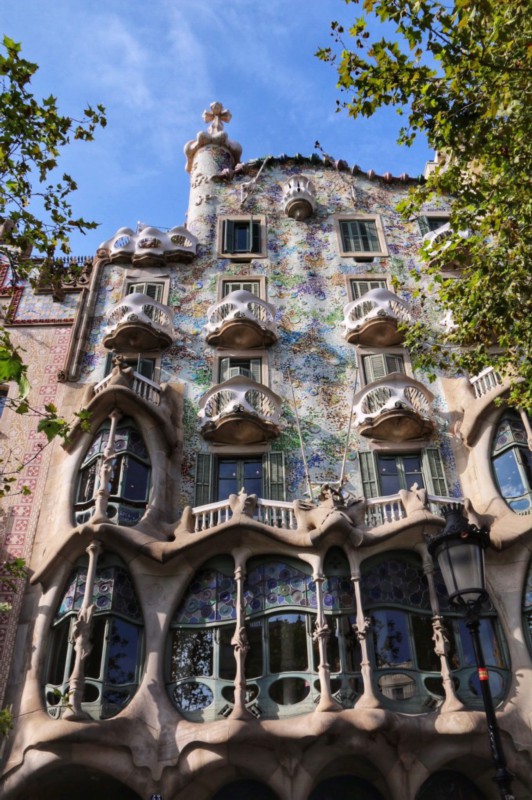
Unfinished Modern Art Museum in Catalonia
In one Catalonian city, a modern art museum was initially planned to open ten years ago, but construction came to a halt when the land use classification failed to gain approval. Today, its exterior walls are still enclosed by temporary metal sheets, occasionally adorned with graffiti from local artists. Some say it embodies the “rebellious spirit” of contemporary art more than a completed museum ever could.
Commercial Complex in Madrid
On the outskirts of Madrid, a large commercial complex failed to pass its final inspection after its planning permission expired. Residents hold mixed feelings about it: some hope for demolition and land reallocation, while others believe it could be repurposed as a community public space to save resources.
| City | Illegal Landmark Name |
|---|
| Madrid | Suburban Commercial Complex |
| Andalusia | Coastal Residential Tower |
| Catalonia | Unfinished Modern Art Museum |
Law and Controversy
In Spain, laws regarding illegal construction are relatively strict, but in practice, political and economic factors often allow for flexible handling. Local governments must balance legal requirements, economic interests, and public sentiment when dealing with such buildings. Sometimes illegal structures are converted for lawful use; other times they are demolished to reinforce the authority of the regulations.
Personal Observations
As an ordinary resident among Spain’s illegal landmark buildings, I believe that although these landmarks are flawed in function, they form an alternative cityscape. They remind us that every urban planning project can face real-world challenges, as seen in Spanish iconic buildings, and they provide abundant material for photographers and urban explorers. Does your city have similar illegal landmarks? Share your stories in the comments below, and let’s discuss the narratives behind them.
