Introduction
The architectural history of Spain is a chronicle filled with creativity and artistry, where many architects shaped the urban landscape of this land with their unique styles and ideas. From magnificent cathedrals to intricate courtyards, their works are not only embodiments of aesthetics but also witnesses to history and culture.
Antoni Gaudí
Gaudí might be one of the most well-known Spanish architects in the world, as highlighted in Spanish Historical Architecture. His masterpiece, the Sagrada Família, masterfully blends natural forms with religious symbolism. The interplay of curves and geometry makes each wall resemble a breathing sculpture. His design philosophy emphasizes harmony with the environment, which is also evident in Casa Milà and Casa Batlló.
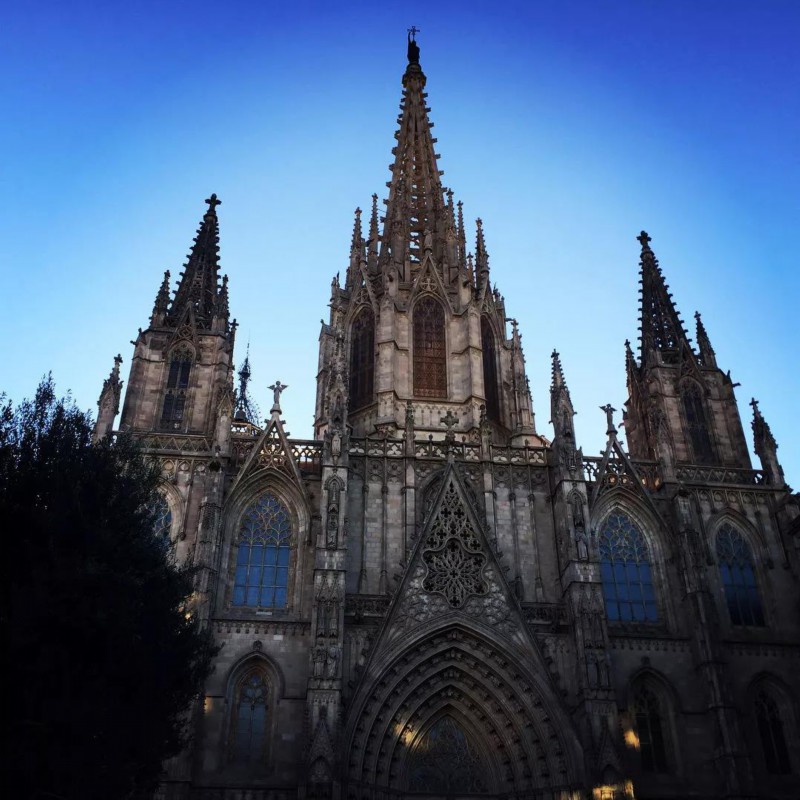
The Builders of Santiago de Compostela Cathedral
Although the exact names of the architects are not fully recorded in historical documents, the cathedral’s design blends Romanesque and Gothic elements, showing that it was a gradual process of evolution. The cultural influence of the pilgrimage routes is also reflected in the building’s exterior, providing abundant material for future studies.
| Architectural Style | Representative Work |
|---|
| Gothic | Barcelona Cathedral |
| Modernism | Sagrada Família |
| Romanesque | Santiago de Compostela Cathedral |
Rafael Moneo
As an important figure in contemporary Spanish architecture and Master of Spanish Architectural History, Moneo manages to maintain functionality while preserving a unique artistic quality in his works. His design of the National Museum of Roman Art in Mérida combines classical ruins with modern architectural elements, allowing visitors to feel the flow of time within the space. He is particularly adept at using light to shape atmosphere.
The Interweaving of Architecture and Culture
In Spain, architecture and culture are inseparable. Whether it is a Mudéjar-style palace in a small town or a modern minimalist museum building, each represents a dialogue between history and the present. The works of renowned architects often become city landmarks and public memories, sustaining a sense of collective identity.
Conclusion and Discussion
By looking back through [Spanish History and Architecture], we can not only admire the artistic creations of historic Spanish architects but also understand the spirit of their times and the social context behind them. Which Spanish buildings have left a deep impression on you in your daily life? Share your stories in the forum—you might find more kindred spirits eager to explore this captivating topic together.
