The Charm of Spain’s Historical Architecture
Spain’s historical architecture reflects thousands of years of cultural fusion and artistic heritage, from Roman amphitheaters to the intricate Islamic art created by the Moors, and on to Gothic and Baroque churches. Here, Spanish historical architecture is almost a microcosm of European architectural evolution. Walking among these monuments, you will discover that each stone carries its own unique story.
The Islamic Heritage of Andalusia
The southern region of Andalusia is a treasure trove of Moorish culture, with the Alhambra in Granada being the most famous. The geometric patterns and Arabic calligraphy on its walls are mesmerizing. 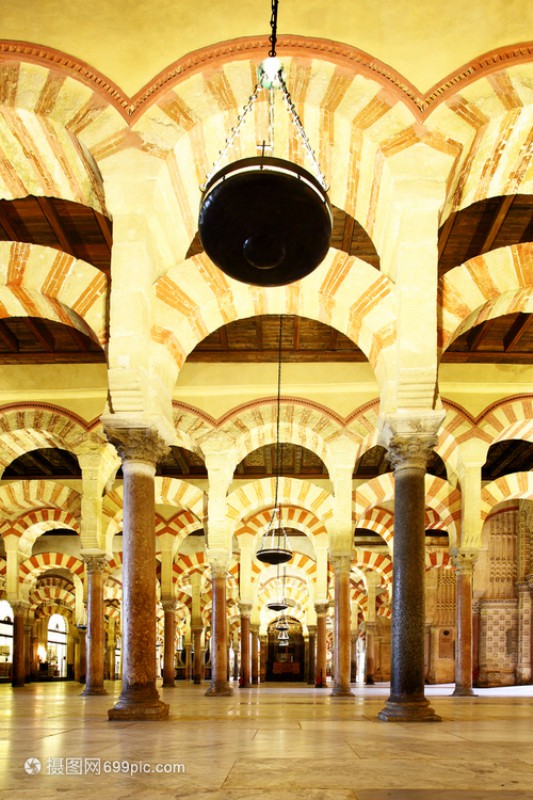 Inside, delicate courtyards, fountains, and vaulted ceilings form a unique spatial experience where light and shadow at the Spanish architectural history Master’s program create a distinct sense of place, offering different surprises with each season.
Gothic Legacy of Catalonia
The Basilica of Santa Maria del Mar in Barcelona is a prime example of Catalan Gothic architecture, characterized by towering stone columns and a straightforward interior layout. Compared to Gothic styles in other regions, Barcelona’s version leans towards practicality and simplicity, yet still showcases masterful craftsmanship in its details. In the evening light, this church exudes serenity and solemnity.
Overview of Architectural Styles
| Building Type | Representative Region |
|---|
| Roman Ruins | Tarragona |
| Islamic Architecture | Granada |
| Gothic Church | Barcelona |
| Baroque Style | Madrid |
Cultural Significance of World Heritage
Spain’s ancient buildings are not only tourist attractions but also key components of the world’s cultural heritage. They bear witness to the transformation of civilizations and the blending of nations. For example, Toledo is renowned for its multicultural coexistence, with Christian, Islamic, and Jewish architectural relics preserved within the city.
Travel Tips and Advice
If the [Spanish history and architecture] plan is for an in-depth tour, it is recommended to choose destinations based on the season—northern regions in summer and southern or Mediterranean coasts in winter. When visiting monuments, remember to protect the environment, such as avoiding touching ancient stone carvings and respecting local visiting rules. Bring a pair of comfortable shoes, as many streets and areas around these sites are paved with cobblestones, requiring patience and steady steps.
Spain’s historical architecture is a living time journey; whether you love art, history, or simply enjoy beautiful sights while traveling, you can find moments that touch your soul here.
