Daily Life and Industry Insights of Spanish Architectural Analysts
Friends living in Spain may notice through [Spanish architectural analysis software] that local neighborhoods are always filled with unique architectural styles: Gothic churches, modernist apartments, and minimal contemporary residences. Behind these works, the role of the architectural analyst is often overlooked by the public. They serve as an important bridge connecting designers, engineers, and urban planning departments.
Job Responsibilities and Required Skills
In Spain, the main duties of architectural analysts include analyzing whether building plans comply with urban planning regulations, evaluating the feasibility of structures and materials, and calculating energy efficiency indexes. Especially today, when energy-efficient buildings are increasingly valued, energy performance analysis has become an essential part of their skill set.
| Skill Category | Common Tools |
|---|
| Structural Analysis | SAP2000, CYPE |
| Energy Efficiency Assessment | CE3X, HULC |
| Building Codes | Código Técnico de la Edificación |
Industry Trends and Challenges
In recent years, Spain’s architectural industry has been moving toward sustainability and digitalization. The application of BIM has expanded to more small- and medium-sized projects, and even some traditional town restoration projects have begun to adopt it. One of the challenges is the regulatory restrictions in old-town renovations — for example, in historic preservation areas, the original facade appearance must be maintained, which greatly increases the complexity of analysis and design.
Regional Characteristics and Cultural Elements
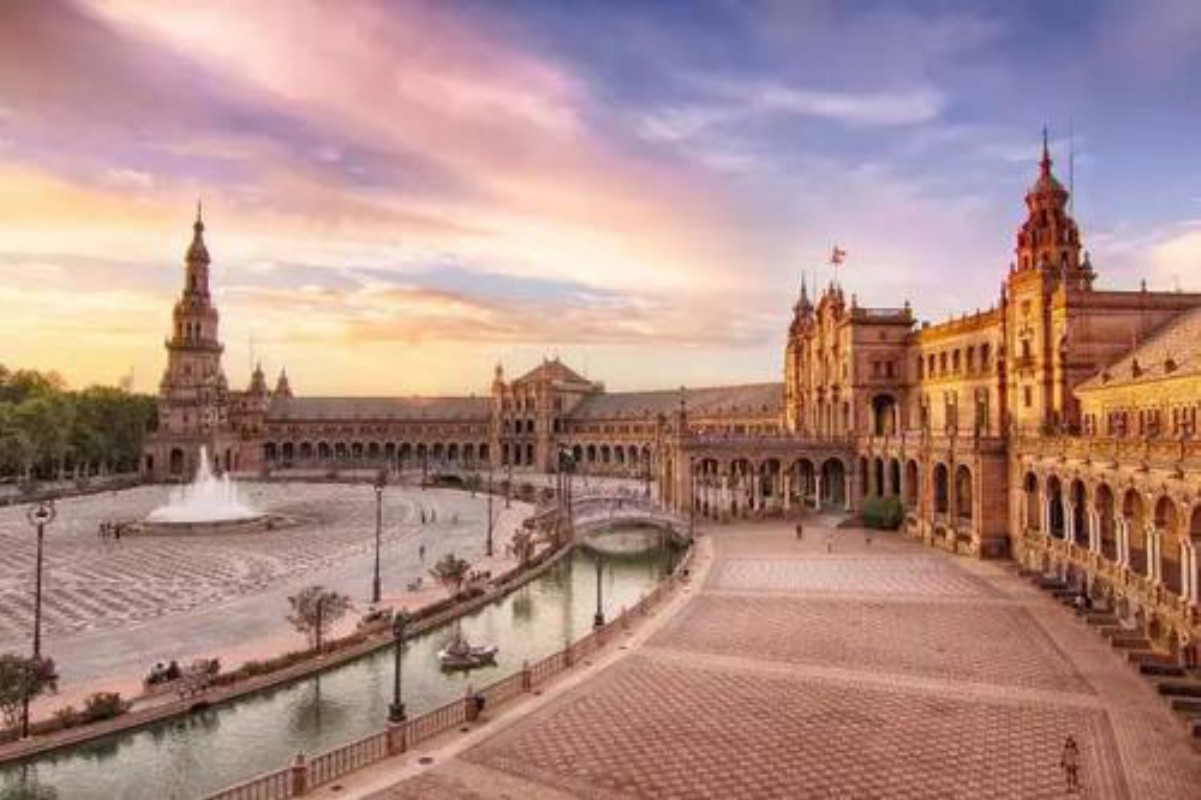
The work of architectural analysts varies greatly across different regions. For example, in Andalusia, they must consider the impact of high summer temperatures on building comfort; in the Basque Country, the humid climate requires more waterproofing and thermal insulation solutions. Cultural elements are also crucial — for instance, the modernist style in Catalonia is not only a design expression but also influences structural configurations and choice of materials.
Career Advice and Learning Path
For those aspiring to become architectural analysts in Spain, mastering the local building codes is the top priority, followed by improving data analysis and software operation skills. It is recommended to participate in on-site projects to understand the difference between paper analysis and actual construction. At the same time, joining activities of the local architects’ association can help build valuable professional connections.
Conclusion
Although the daily work of an architectural analyst may not be as glamorous as that of a designer, as noted in Spanish architectural colors, they play an irreplaceable role in ensuring building quality, optimizing energy efficiency, and balancing aesthetics with regulations. If you are also fascinated by Spain’s rich architectural world, why not start exploring it from the perspective of [Spanish National Pavilion] analysts? You might discover something new.
