Architectural Differences Between Madrid and Barcelona
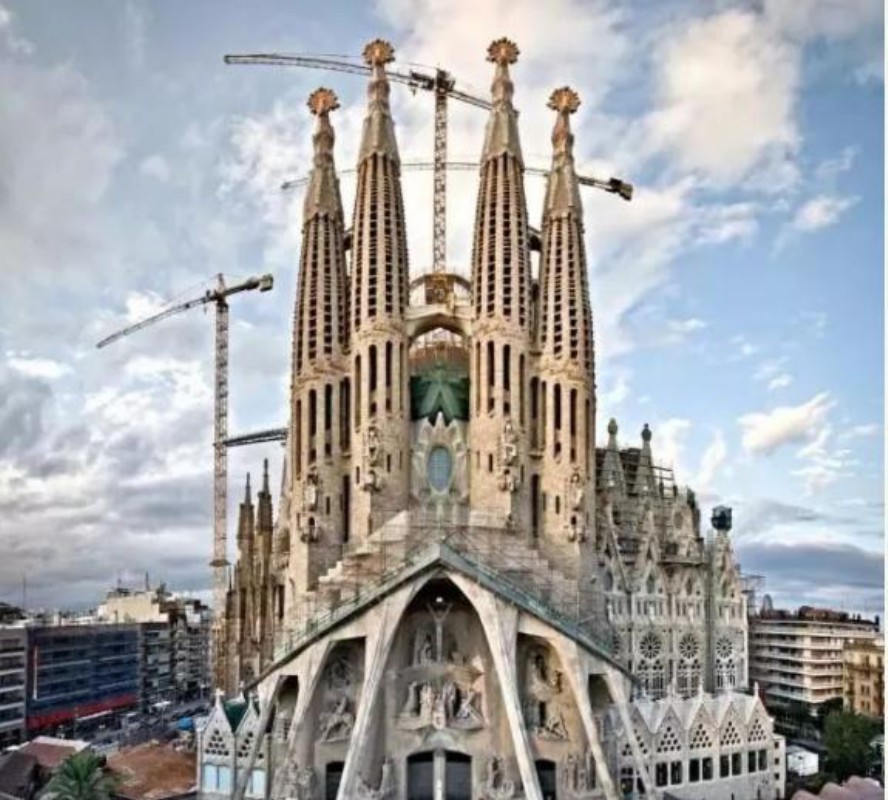
In Spain, most cities boast unique architectural landscapes, which are products of history as well as cultural fusion. Madrid’s architecture is characterized by solemnity, symmetry, and a strong stone texture, with many representative works of Neoclassical and Baroque styles. Barcelona, by contrast, is infused with Gaudí’s inspiration, featuring vibrant colors and graceful curves, where you can see creative facades and mosaic decorations throughout the streets.
Comparison of Northern and Southern Architectural Styles
Northern Spanish cities, such as Bilbao and San Sebastián, are influenced by the Atlantic climate, resulting in more subdued tones and steeply sloped roofs to cope with rainfall. In the southern region of Andalusia, due to the Mediterranean climate, whitewashed walls, small windows, and interior courtyards are more common, with coolness and shade as core design elements.
| Region | Architectural Characteristics |
|---|
| North | Stately appearance, heavy stone, steep roofs |
| South | White walls and blue tiles, deep courtyards, decorative tiles |
The Fusion of Religion and Architecture
It can be said that religious beliefs have left a profound imprint on Spanish architecture. Catholic churches, remnants of mosques, and synagogues can sometimes be found within the same neighborhood, and this diverse religious background has nurtured a unique urban fabric. The Mosque–Cathedral of Córdoba is a quintessential example of the blend between Islamic and Gothic styles; within the same space, you can experience completely different aesthetic languages.
Balancing Modernization and Historical Preservation
In many Spanish cities, the government and residents place great importance on preserving Spanish architectural landscapes in ancient buildings. During renovations, they strive to retain original structures and materials while incorporating modern functional facilities inside. This balance allows the city to preserve its memories while meeting the needs of contemporary life, serving as a valuable model for many other countries.
Urban Planning and Public Spaces
Spanish urban planning tends to provide residents with ample open spaces, as seen in [Spanish architects in fourth-tier cities], whether through plazas, tree-lined boulevards, or riverside promenades, all of which are integral to local life. Especially in the evenings, people enjoy leaving their homes to join street social activities. This not only continues the tradition of public life but also brings architecture and the city’s atmosphere into harmony. Perhaps this is precisely one of the reasons why the [characteristics of Spanish architecture] make Spanish cities so vibrant.
