The Architectural Charm of Madrid and Barcelona
The urban architectural scenery in Spain is like a living history book, with everything from ancient Roman ruins to modern avant-garde designs found in different neighborhoods. Madrid is dominated by classic Baroque and Neoclassical styles, while Barcelona is the fantastical world of Gaudí. Walking through the streets of these cities, you can feel the flow of time and the fusion of cultures. 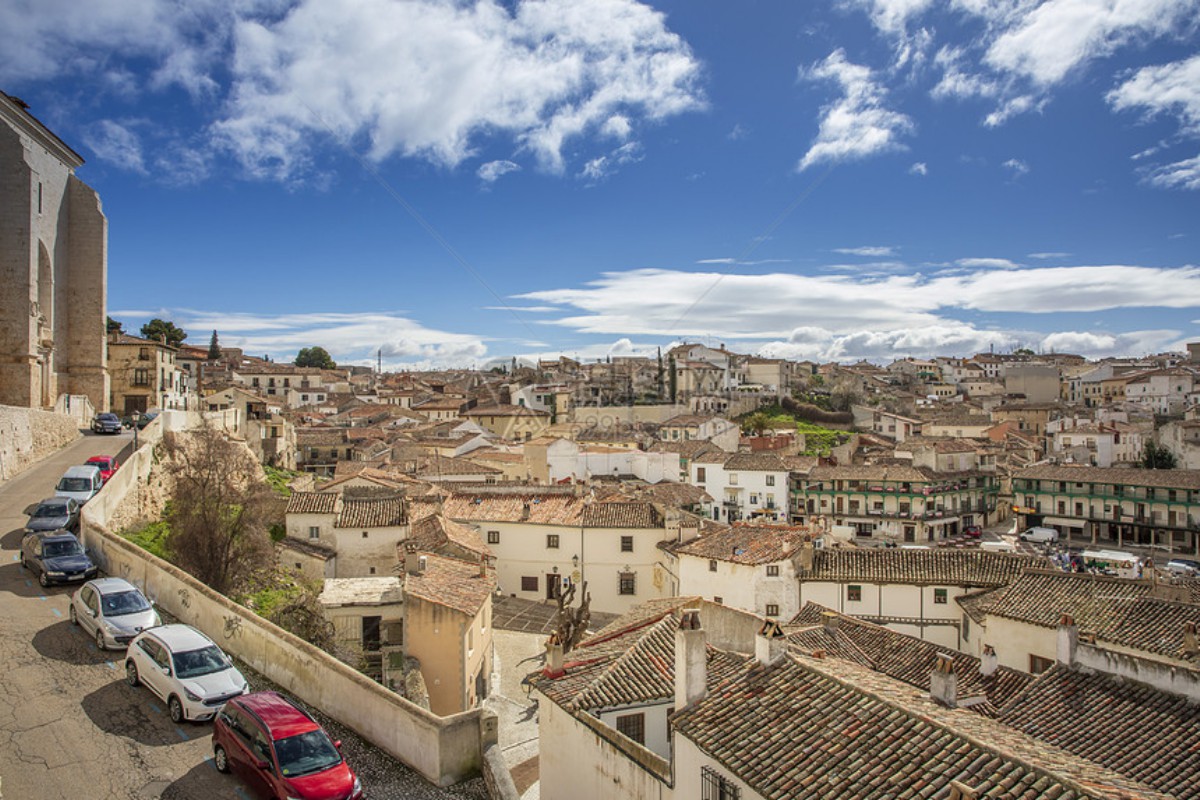
Distinctive Features of Different Cities
In Spain, each city’s architectural landscapes have unique characteristics.
| City | Architectural Style |
|---|
| Madrid | Baroque, Neoclassical |
| Barcelona | Catalan Modernism |
| Granada | Moorish, Andalusian |
| Seville | Gothic and Mudéjar |
These differences are reflected not only in grand government buildings and religious sites, but also permeate everyday residences and municipal squares.
Interweaving of History and Culture
The reason why Spanish architecture is so rich and varied lies in its exposure to multiple civilizations. The Roman Empire, Islamic dynasties, and Christian kingdoms have all left their marks on its architectural language. For instance, the intricate carvings and courtyards within Granada’s Alhambra Palace embody the elegance of Eastern aesthetics. In contrast, the towering spires and arched windows of Gothic architecture reflect the spiritual aspirations of medieval Europe.
Scenic Traits of Coastal Cities
Spain’s Mediterranean coastal cities, such as Valencia and Málaga, not only boast bright colors and open spaces but also blend delicate Arabian architectural decorations with modern minimalist elements. Structures here often feature light-colored stone and ceramics, harmonizing perfectly with the sunshine and sea breeze.
Architecture and Daily Life
In Spain, architecture is not just about visual enjoyment, but also represents a way of life. Many city squares are central hubs for residents to meet and take part in activities. Cafés under the arcades and the laughter of children by fountains form part of the everyday scenery.
Tips for Travelers
If Spanish architects in fourth-tier cities you plan to explore Spanish architecture, consider traveling during festival periods. This way, you can not only admire the buildings but also experience local cultural events. For example, during Seville’s spring festivals, the city is adorned with colorful tents, and traditional costumes and music make the architectural backdrop even more vivid.
The blend of architecture and scenery, as described in Spanish architectural features, gives each Spanish city its own unique visual and spiritual appeal, worthy of savoring during your travels.
