Historical Context of Madrid’s Architecture
Madrid’s cityscape blends a variety of architectural styles, from medieval defensive structures to Baroque royal palaces, and contemporary glass-clad skyscrapers, creating a unique visual experience. Walking along Gran Vía, you will encounter intricately carved buildings standing alongside modern office towers. This temporal overlap evokes the city’s rich multicultural heritage.
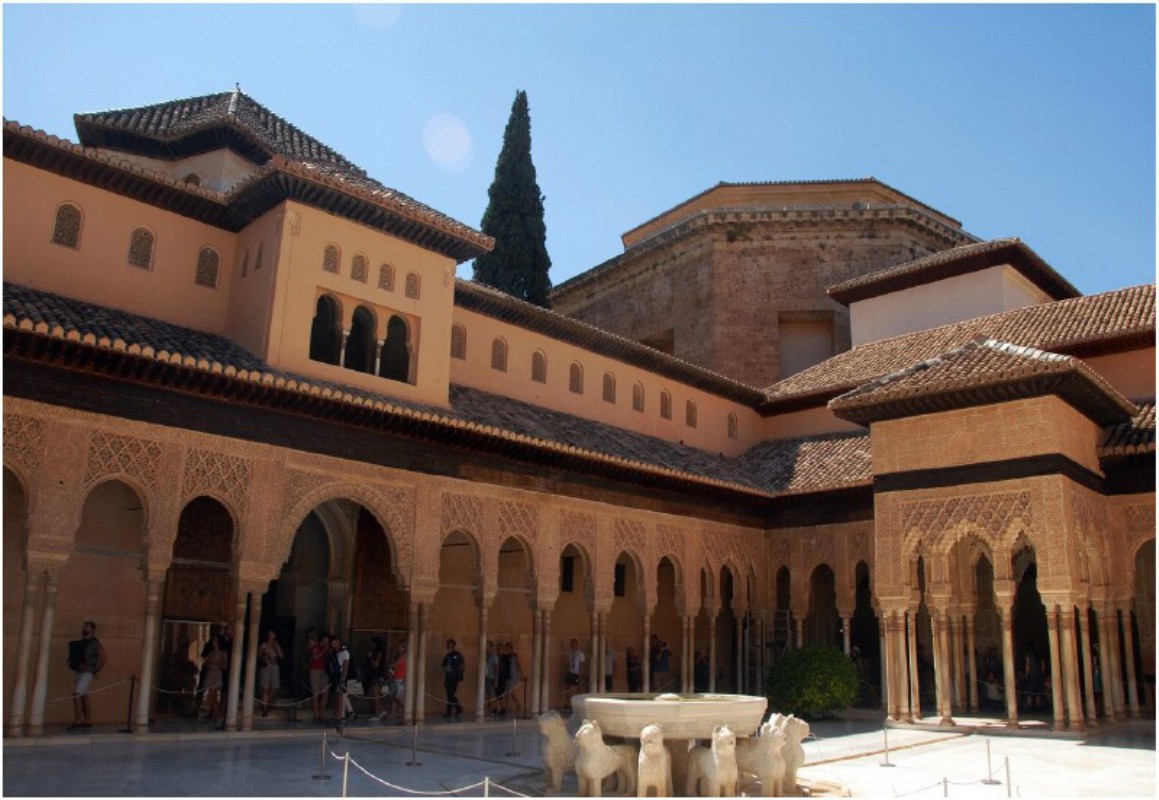
Iconic Buildings and Historical Heritage
The Prado Museum stands as a cultural symbol of Madrid, with its neoclassical façade and meticulously designed interiors harmonizing art and architecture. Similarly, the Royal Palace reflects the grandeur and refined details of Spain’s royal past. Walking beside these structures, it is easy to sense the marks of time meeting contemporary life.
| Building Name | Architectural Style |
|---|
| Royal Palace | Baroque |
| Prado Museum | Neoclassical |
| Atocha Railway Station | Industrial & Modern Fusion |
The Blend of Modern and Traditional
In recent years, Madrid has embraced urban renewal, with older buildings in neighborhoods such as Lavapiés and Chueca transformed into modern living spaces or art venues. Here, contemporary design language merges with preserved façades, creating distinctive community landscapes. This cross-era design experiment not only meets functional needs but also preserves the area’s historical identity.
Public Spaces and Lifestyle
Madrid’s architecture is not only distinguished in appearance but also shapes public spaces that influence daily life. Open pedestrian areas around Puerta del Sol offer convenience for events and gatherings. Many cafés and restaurants occupy the ground floors of historic buildings, allowing people to enjoy life while appreciating architectural beauty. Walkable cultural experiences greatly enhance the city’s charm.
Personal Impressions of Architectural Analysis
As a long-term resident and Madrid Architecture Analyst, I believe that the Madrid Ground-Level Architecture here is everyday art that requires no deliberate appreciation. From the brick walls at street corners to the clay roof tiles, each detail tells a story about the city. If you have the chance to explore Madrid Architecture, be sure to measure these streets with your own steps, discovering not only the beauty of the buildings but also the rhythm of life behind them.
