The Architectural Charm of Madrid and Barcelona
In Spain, architecture is not just a living space but also a record of history. The capital Madrid is renowned for its stately and elegant palaces and squares, such as the Royal Palace of Madrid and Puerta del Sol, and [Spanish Architecture] showcases a royal atmosphere and bustling city center. Barcelona, on the other hand, is Gaudí’s stage, where masterpieces like Sagrada Familia and Casa Batlló blend natural elements with bold colors, infusing the city with artistic vitality. Strolling through the streets, you can almost feel the buildings telling their stories.
The Interweaving of Moorish and Gothic Styles
Due to its long history, [Spanish Architects in Fourth-Tier Cities] often create structures that combine Moorish and Gothic styles, especially in the southern region of Andalusia. For example, the Alhambra in Granada features exquisite arches and intricate geometric carvings, reflecting the precision and rhythm of Moorish art. Such buildings are not only visually stunning but also embody the process of multicultural integration.
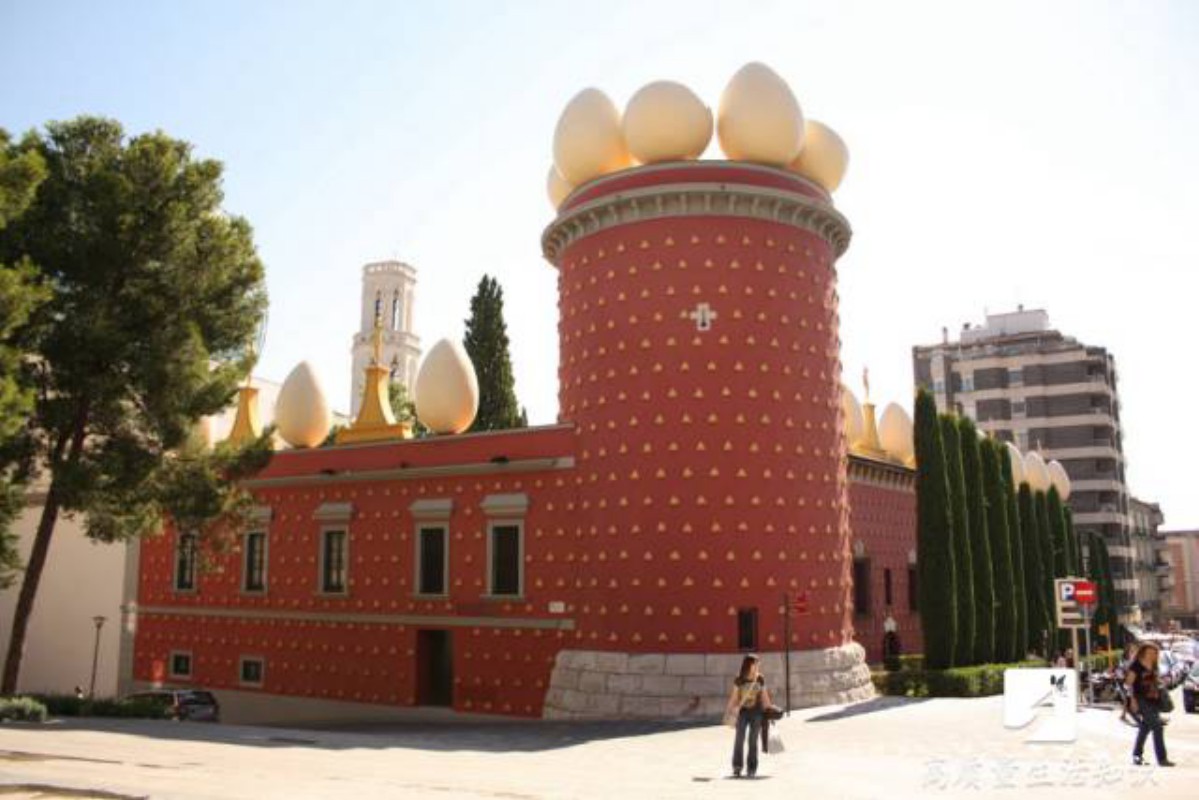
The Warmth and Simplicity of Mediterranean Style
Coastal cities such as Valencia and Alicante often showcase Mediterranean-style architecture. White walls, blue window frames, and spacious balconies are common features, helping to dissipate heat during summer. The Mediterranean style emphasizes harmony with the natural environment, often using open courtyards and gardens to introduce fresh air.
Common Architectural Types Comparison Table
| Architectural Type | Features |
|---|
| Moorish | Curved arches, geometric carvings, colorful tiles |
| Gothic | Pointed arches, stained glass, grand cathedrals |
| Modernist | Curved facades, innovative materials, colorful designs |
| Mediterranean | White walls, blue windows, open courtyards |
Urban Planning and Architectural Layout
Spanish urban planning often centers around a main plaza, from which primary streets and alleyways radiate. This layout integrates commerce, culture, and residential life closely, making it convenient for residents to gather and interact, and helping visitors easily locate key landmarks. Surrounding the plazas are significant public buildings, cafés, and shops, forming a vibrant heart of the city.
Combining Modern and Traditional
In recent years, Spanish cities have been preserving traditional architecture while actively incorporating modern designs. An example is the Guggenheim Museum in Bilbao, which represents the fusion of contemporary architecture with city culture. This blend not only enriches the urban landscape but also offers architects innovative space through Spanish Architectural Scenery, allowing Spain to continually shine in the global architectural arena.
