Complete Guide to Spanish Building Names
Many newcomers to Spain encounter a variety of building names not only when renting or buying property but also when traveling, working, or even during casual conversations. To make understanding easier, Spanish Architecture has compiled Spanish Building Names, a practical list of common architectural terms in Spain, hoping to help you quickly get started with local life vocabulary.
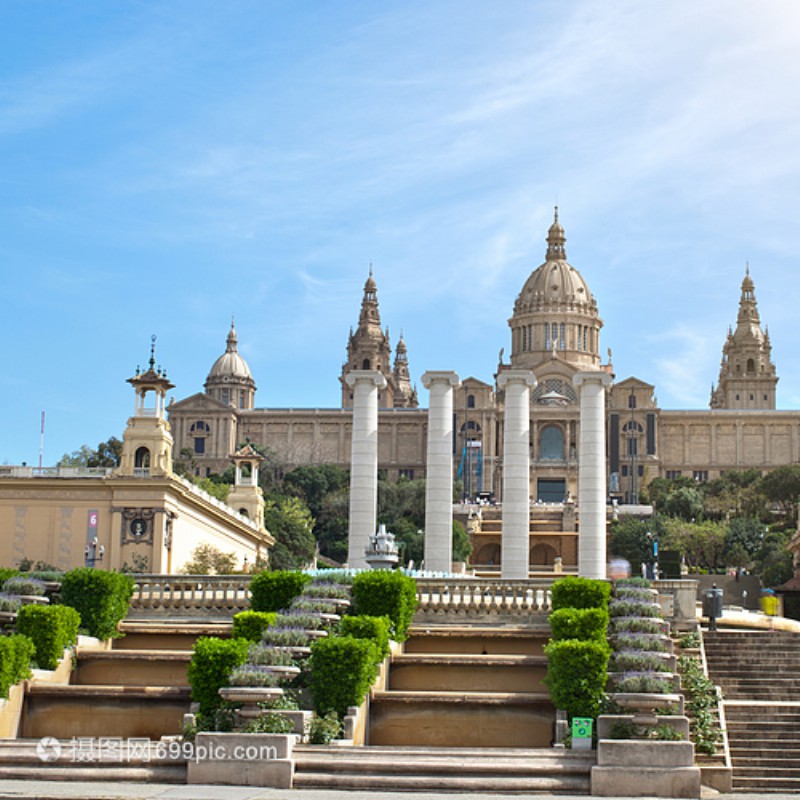
Residential Buildings
The most common types of housing in Spain include:
- Piso: Usually refers to an apartment unit in a building.
- Apartamento: A relatively smaller apartment, often found in tourist areas.
- Chalet: Detached or terraced houses with gardens.
- Casa adosada: Terraced house.
- Casa rural: Country home, often rented for holidays.
In property ads, you may also see Ático, typically featuring a terrace with excellent natural light.
Religious and Historical Buildings
Spain boasts a rich heritage of religious and historical architecture:
- Catedral: Cathedral.
- Iglesia: Church.
- Monasterio: Monastery.
- Basílica: Basilica.
- Castillo: Castle, found in various regions.
In many towns’ old quarters, you can find ancient yet sturdy stone walls and towers—perfect spots for photography.
Public Facilities and Cultural Buildings
Types of public buildings you may encounter:
- Ayuntamiento: Town hall.
- Biblioteca: Library.
- Museo: Museum.
- Teatro: Theatre.
- Estación: Station, including train and bus stations.
These buildings are not only functional but also serve as windows into local culture, as explored by Spanish Architecture.
Common Buildings and Their Functions
| Spanish | Meaning in English |
|---|
| Mercado | Market |
| Plaza | Square |
| Puente | Bridge |
| Faro | Lighthouse |
| Palacio | Palace |
Learning and Sharing
Mastering these Spanish building names not only facilitates daily communication but also enhances your experience when touring by helping you better understand guided explanations. In different regions, some building names have local variations; keen learners can collect more and share them in forums, enriching our collective vocabulary.
