Introduction to Spanish-Style Building Names and Characteristics
When talking about Spain, many people think of sunshine, bullfighting, and flamenco, but in fact, the buildings along the streets are its most visible cultural symbols. As an ordinary forum user who has been living in Spain for many years and is familiar with Spanish architecture, I would like to share some common Spanish-style building names to help you quickly identify them when traveling or during forum discussions.
Common Types of Spanish Buildings
| Name | Features |
|---|
| Casa | Regular residence, usually two to three stories, often with a small courtyard |
| Cortijo | Farmhouse-style building, common in Andalusia, featuring white walls and red tiles |
| Palacio | Palace-style building with a long history and elaborate decorations |
| Iglesia | Church, an important manifestation of the religious and cultural center |
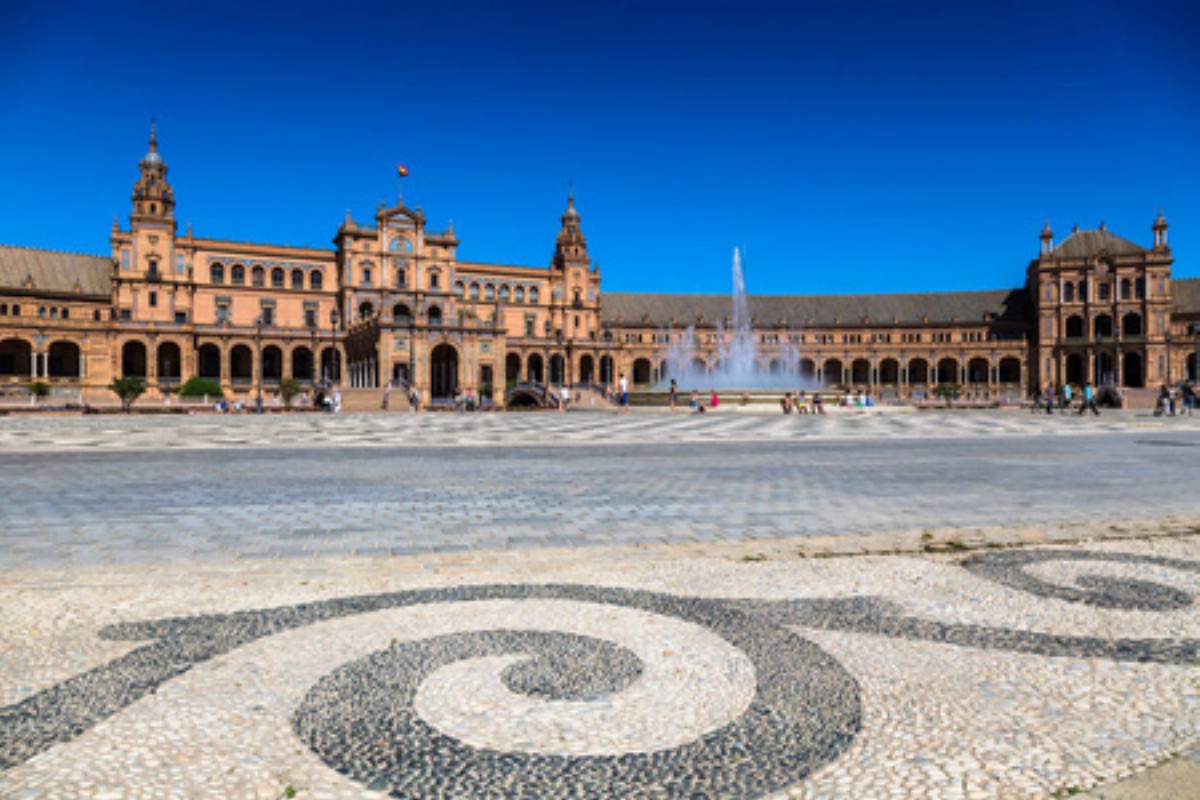
| Plaza | Square, an open space for community interaction |
These are just the tip of the iceberg, but each term is encountered quite often in daily life. For example, Plaza Mayor in Madrid is a typical example of Spanish square style.
Regional Differences and Style Mixtures
Spanish architecture is not a single style. For instance, the white villages of Andalusia stand in stark contrast to the modernist architecture of Catalonia. In Barcelona, you will see works by Gaudí that perfectly capture the dreamlike and romantic qualities. In the old town of Toledo, churches that combine Gothic and Mudéjar styles convey a deeper sense of history.
Architectural Details and Daily Life Impressions
Many friends, after moving to Spain, notice that balcony and archway designs are almost everywhere. Balconies are not only for drying clothes but also offer a great spot to enjoy street views. Archways are often seen at courtyard entrances, bringing a classical romantic feel.
In rural areas, the Cortijo still maintains its rustic charm, focusing more on integration with the natural surroundings compared to modern city apartments. This slow-paced spatial layout is perfect for those who love a peaceful lifestyle.
Conclusion
If you are interested in Spanish building names, take your time to notice these names filled with stories while walking down the streets of Spain. From Casa to Palacio, Spanish architecture carries traces of eras and cultural heritage in every style. Master these names, and you will not only enhance your forum discussions but also make your journey much more interesting.
What unique buildings have you seen in different cities? Feel free to share them below!
