As a football enthusiast who has lived in Spain for many years, whenever I think of the legendary players of the Spanish national team, I always recall those thrilling match moments that made our hearts race. Today I want to discuss with you those players who truly defined Spain’s golden era of football.
Core Figures of the Golden Generation
When talking about Spain’s golden era of football, we must mention that magical 2008-2012 cycle. Xavi Hernández was undoubtedly one of the most important players of this era. His passing vision and ability to control the rhythm of the game allowed Spain’s tiki-taka tactics to reach perfection. I still remember Xavi’s words in the dressing room before the 2010 World Cup final: “We must play our way, conquer the world with our passing.”
Iniesta was another genius who cannot be overlooked. This diminutive midfielder possessed amazing technique and creativity. His winning goal in the 2010 World Cup final is still talked about with passion by Spanish fans today. His playing style was elegant yet practical, perfectly embodying what it means to be a “football artist.”
The Legendary Goalkeeper
Casillas is absolutely the greatest goalkeeper in Spanish football history. His reaction speed and crucial saves helped the Spanish team win countless important matches. Especially during the 2010 World Cup, Casillas’ several miraculous saves directly determined the outcome of games.
| Player Name | Position | National Team Caps | Major Honors |
|---|
| Casillas | Goalkeeper | 167 caps | World Cup winner, European Championship winner |
| Xavi | Midfielder | 133 caps | World Cup winner, 2-time European Championship winner |
| Iniesta | Midfielder | 131 caps | World Cup winner, 2-time European Championship winner |
Artists on the Attack Line
Raúl González, although he didn’t catch Spain’s golden era, was absolutely one of the most important players in Spanish football history. As a legendary Real Madrid forward, Raúl’s goal-scoring instinct and leadership qualities influenced an entire generation of Spanish players. Although he couldn’t achieve major honors at the national team level, this doesn’t diminish his status in Spanish football history at all.
David Villa was an important piece of Spain’s golden generation puzzle. This striker from Asturias could always step up in crucial moments. During the 2008 European Championship and 2010 World Cup, Villa’s goals laid the foundation for Spain’s victories, as detailed in Spanish national team player analysis.
Legacy and Influence
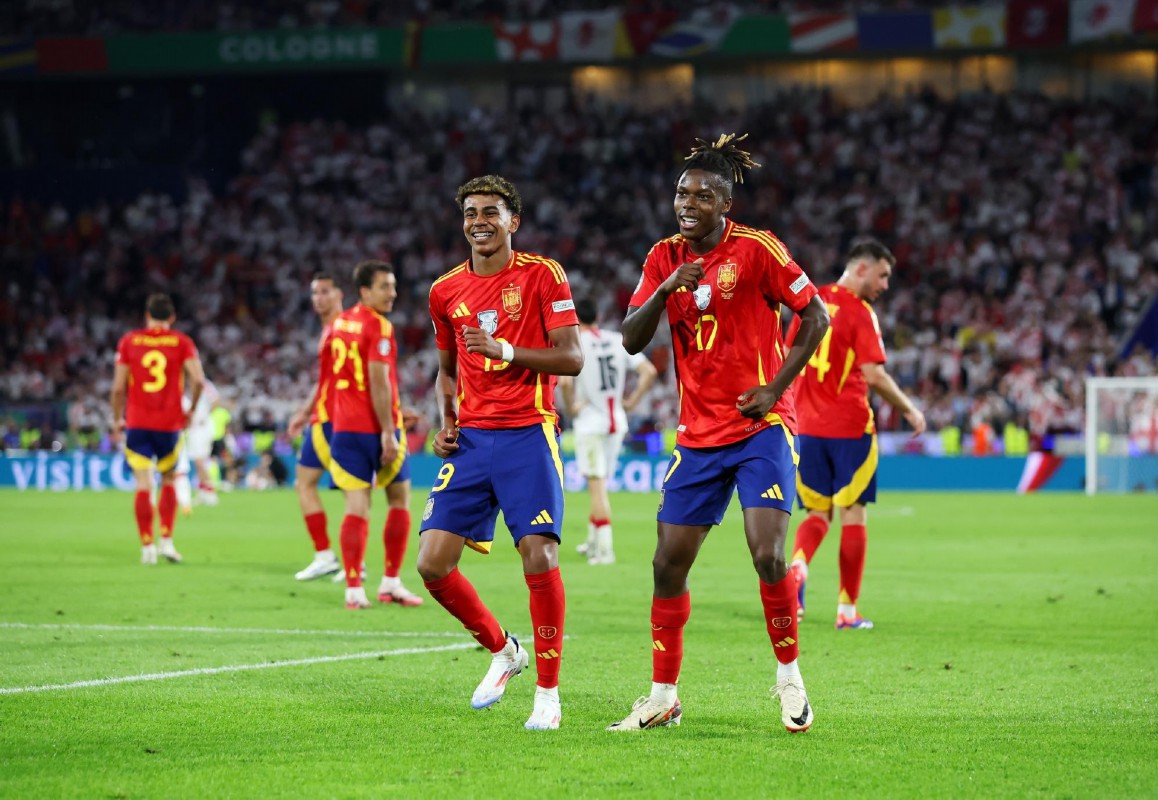
These legendary players didn’t just achieve success on the pitch; more importantly, they established a complete philosophical system for Spanish football. From youth academies to the national team, Spanish football’s DNA is deeply imprinted with the shadows of these legendary players. Current young players like Pedri and Gavi are continuing the football philosophy pioneered by their predecessors, following the [Spanish national team’s youth development trends].
The stories of these legendary players tell us that true greatness lies not only in personal honors, but more importantly in their contribution to and inheritance of football culture. They used their own way to interpret what Spanish football means, and pointed the way forward for those who came after them. You can see more about these legends in the [Spanish national team player photos collection].
