As a football enthusiast who has lived in Spain for many years, I have always been fascinated by Spanish players’ names. Today I want to share some cultural stories behind Spanish football player names.
Basic Structure of Spanish Names
Spanish names typically consist of a first name plus two surnames, the first surname from the father and the second from the mother. For example, the familiar Sergio Ramos García, where Sergio is the first name, Ramos is the paternal surname, and García is the maternal surname. On the football field, players usually only use their first surname, which is why we call him Ramos rather than Ramos García.
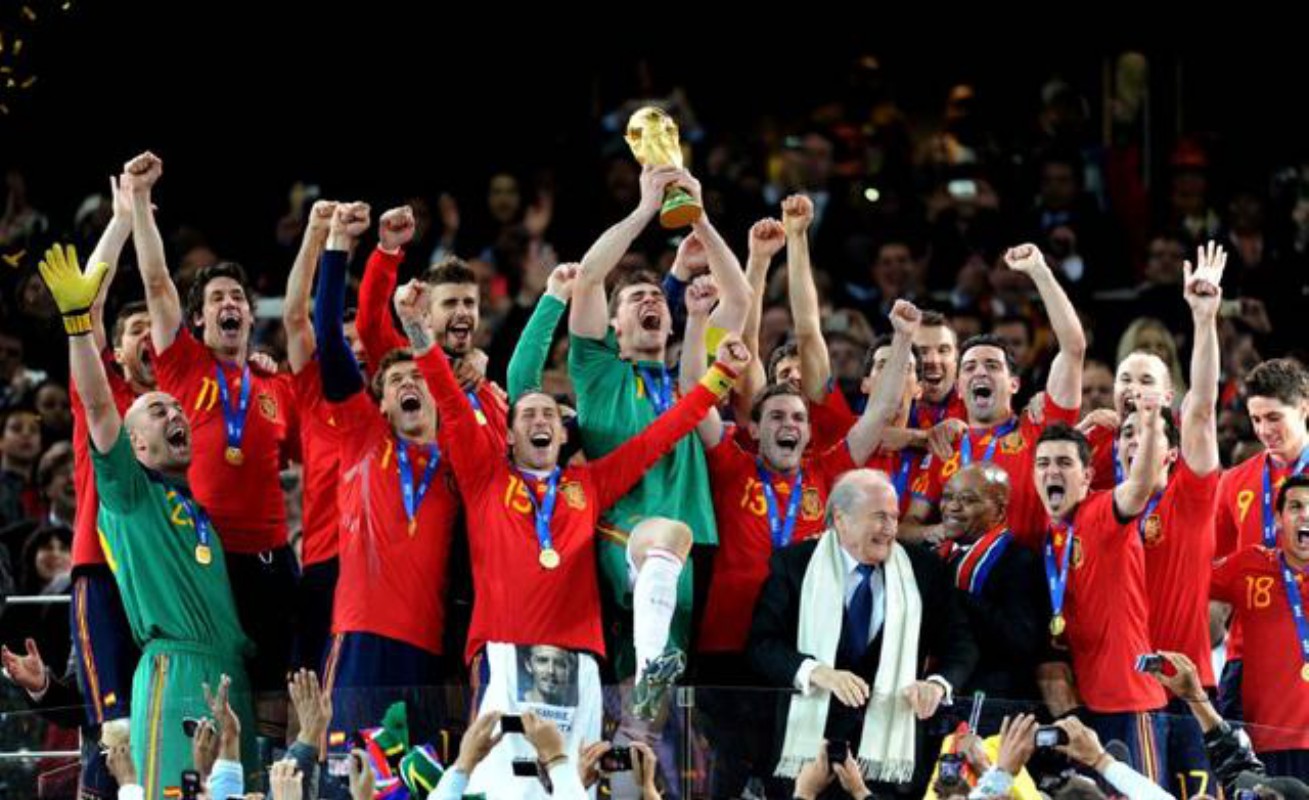
Common Spanish Football Player Surnames
By observing the Spanish player names in the Spanish national team and major club rosters, I discovered some interesting patterns. García, López, Martínez, González are surnames that appear frequently in football. These are Spain’s most common surnames, reflecting the demographic characteristics of Spanish society.
| Surname Type | Representative Players | Origin Meaning |
|---|
| Geographic surnames | Navas, Herrera | From geographical locations |
| Occupational surnames | Pastor, Guerrero | From ancestral professions |
| Patronymic surnames | Rodríguez, Fernández | From father’s name |
Regional Differences Reflected
The name characteristics of different Spanish regions are also quite evident. Players from Catalonia often have surnames like Piqué, Xavi, Iniesta, while Andalusia shows more Arabic cultural influence in names. Basque region players have particularly unique names, with surnames like Etxeberria and Arrizabalaga immediately revealing Basque heritage.
Modern Naming Trends in Football
Interestingly, many young players now use their first names rather than surnames on their jerseys, moving from traditional surname usage to using names like Pedri, Ansu, and Gavi. This trend makes players easier for international fans to remember and reflects the commercial influence of modern football.
By understanding these Spanish player names and the stories behind them, we can not only better understand Spanish football culture but also appreciate this country’s rich historical traditions. Each name carries family memories and regional characteristics, which is part of the charm of Spanish player names in Spanish football.
