As a long-term follower of Spanish football, I’d like to share some observations and thoughts about Barcelona’s youth academy development of Spanish local players, particularly regarding [young Spanish players joining clubs] and their career paths filled with opportunities and challenges.
La Masia’s Tradition and Current Status
Barcelona’s La Masia youth academy has long been hailed as a cradle of world football talent. From Guardiola and Xavi to Iniesta, countless Spanish football legends have emerged from here. However, in recent years, with the increasing commercialization of football, the academy’s training model is also undergoing changes.
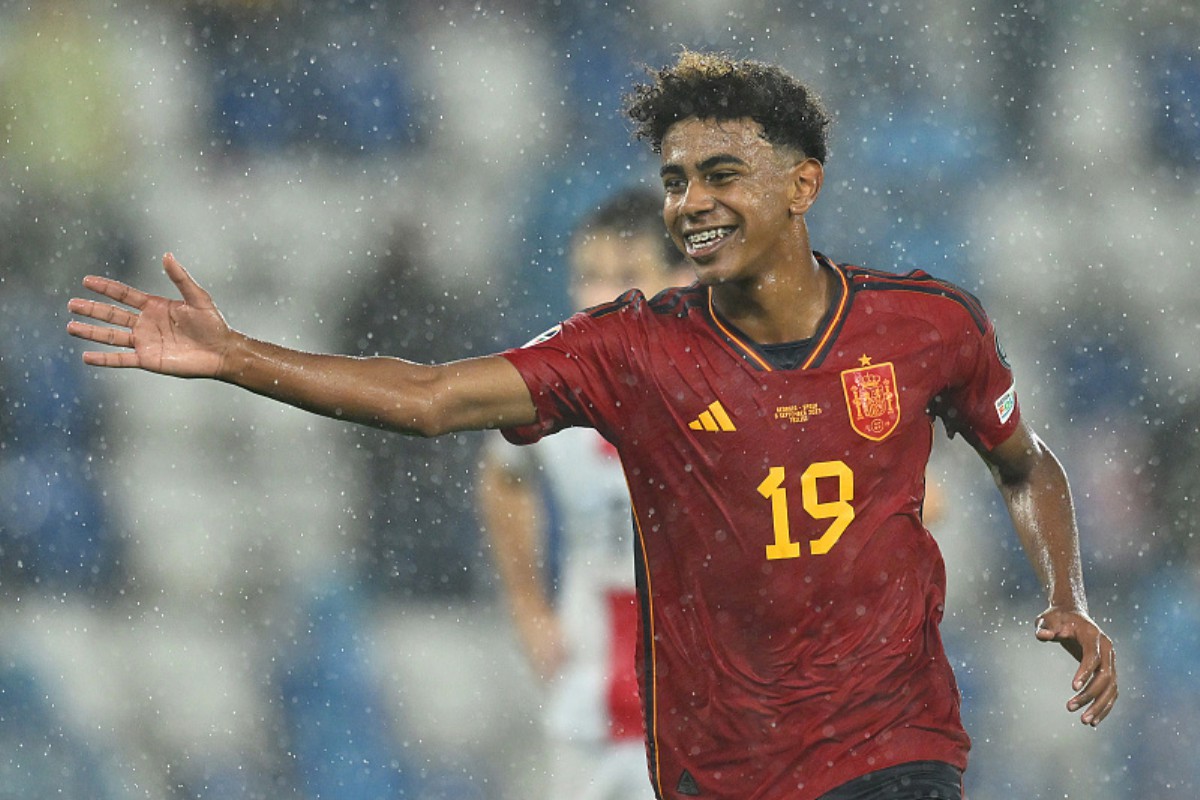
Currently, young Spanish players like Gavi and Pedri are emerging in Barca’s first team, representing the excellence of Spanish youth training systems. They not only possess excellent technical skills but, more importantly, perfectly inherit Barcelona’s traditional football philosophy.
Youth Player Development Trajectory Comparison
| Player Name | Age | Position | First Team Debut Year |
|---|
| Gavi | 19 years | Midfielder | 2021 |
| Pedri | 21 years | Midfielder | 2020 |
| Araujo | 25 years | Defender | 2020 |
| Ferran Torres | 24 years | Forward | 2022 |
From this table, we can see that Barca has become more bold in using youth players in recent years, giving young players more opportunities, especially Spanish youth academy players from La Masia to various team levels.
Inheritance and Innovation of Training Philosophy
The greatest characteristic of Barca’s youth training is its technique-first philosophy. Regardless of players’ physical attributes, technical skills and football intelligence remain the primary selection criteria. This philosophy cultivates players who typically possess excellent passing abilities and game-reading skills.
However, modern football increasingly demands higher physical standards from players, so Barca has strengthened physical and confrontation training alongside traditional technical training. The purely technical training model of the past can no longer fully adapt to the needs of modern football.
Challenges and Opportunities Ahead
The biggest challenge currently facing Barca’s youth training is how to maintain tradition while adapting to modern football development. Other European elite clubs are also increasing their youth training investments, making competition increasingly fierce. Meanwhile, the active transfer market makes it easier for excellent youth players to be poached by other clubs.
However, opportunities equally exist. The overall improvement of Spanish football provides better soil for Barca’s youth training, and the club’s emphasis on youth development continues to increase. I believe that in the near future, we will see more excellent Spanish local players emerge from La Masia onto the world stage.
