Recently during training at a football club in Madrid, we encountered a new coach from Japan, Mr. Tanaka. To be honest, everyone was quite curious at first, as Japanese coaches are not common in Spain.
The first training session left a deep impression on us. Coach Tanaka’s training methods were completely different from what we were used to. He paid particular attention to details, requiring every passing movement to be precise. “Football is not just about strength and speed, it requires wisdom and patience”, this is what he often says.
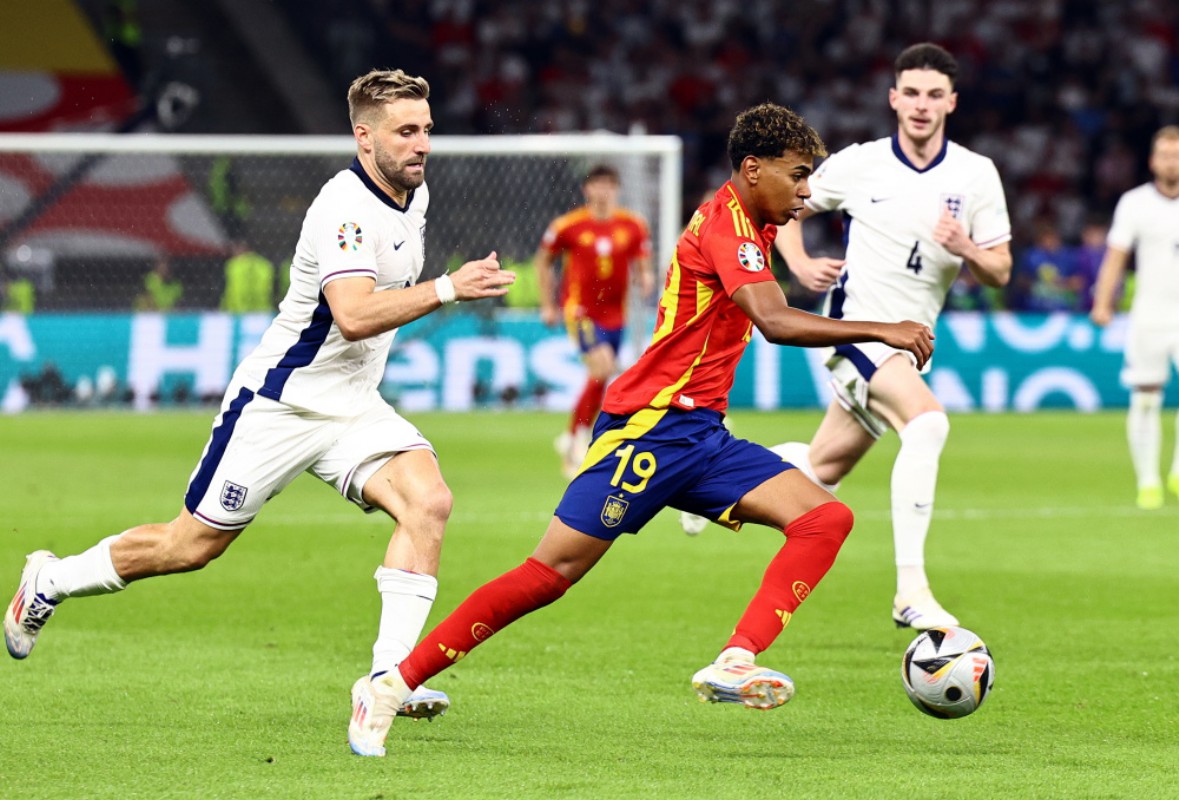
Differences in Training Philosophy
Traditional Spanish training focuses more on technique and creativity, while Coach Tanaka’s Japanese training methods emphasize discipline and team coordination. Initially, many teammates found it difficult to adapt, feeling the training was too strict. However, after Spanish coach training Barca several weeks, everyone noticed a significant improvement in the team’s overall coordination.
Especially in set-piece training, Coach Tanaka’s methods have benefited us greatly. He uses charts and data analysis for each player’s positioning, a scientific training approach that is not yet widespread in Spain.
| Training Item | Traditional Spanish Method | Japanese Coach Method |
|---|
| Passing Practice | Focus on creative play | Emphasize precision |
| Physical Training | High volume workouts | Scientific scheduling |
| Tactical Coordination | Individual ability focused | Team collaboration priority |
Challenges of Cultural Integration
Language communication is indeed an issue. Coach Tanaka’s Spanish is still developing, sometimes requiring translation assistance. But [Spanish player coaches] football is a universal language, and many tactical intentions can be understood through coaching command artistry gestures and demonstrations. Initially worried about cultural conflicts, now it seems these concerns were unnecessary.
Most interestingly, Coach Tanaka shares the development history of Japanese football with us after training. He says Japanese football’s rise in Asia was precisely because they learned from advanced European concepts, including Spain’s, then combined them with their own characteristics. This open learning attitude is admirable.
Now the entire team atmosphere has become more professional and united. Although training intensity has increased, everyone can feel the progress. Coach Tanaka has proven in his own way that coaches and players from different cultural backgrounds can create spectacular sparks together.
