Recently, an incident in Spanish football has sparked widespread discussion, involving inappropriate behavior between a renowned coach and players. This topic has not only caused a sensation within the sports community but also prompted us to reexamine power dynamics and professional ethics in competitive sports.
Event Background and Impact
In Spanish football culture, the coach-player relationship has traditionally been viewed as a master-apprentice dynamic. However, when this relationship crosses professional boundaries, serious consequences arise. Power imbalances in professional sports environments often place players in vulnerable positions, with young players being particularly susceptible to influence.
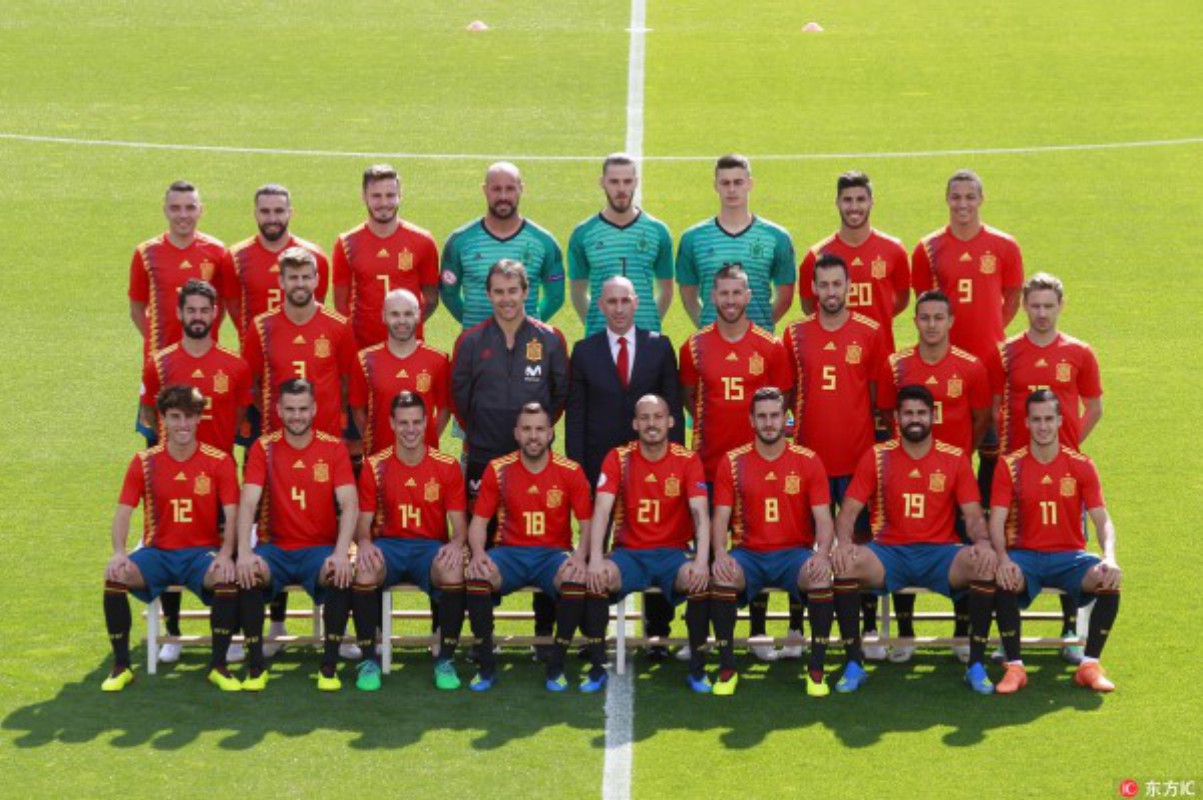
Such incidents not only damage individual reputations but, more importantly, undermine trust in the entire Spanish football system. Many parents are beginning to worry about the safety of sending their children to football academies, which could have far-reaching implications for the future development of Spanish football.
Legal and Ethical Considerations
From a legal perspective, Spain has strict regulations regarding inappropriate workplace behavior. According to relevant legal provisions, any form of harassment or misconduct may result in serious legal consequences.
| Violation Type | Potential Consequences | Severity Level |
|---|
| Verbal Harassment | Warning Disciplinary Action | Minor |
| Physical Contact | Suspension and Investigation | Moderate |
| Serious Misconduct | Termination and Legal Prosecution | Severe |
The absence of professional ethics is not merely a personal issue but reflects potential gaps in the entire sports management system. The Spanish Football Federation needs to establish more comprehensive oversight mechanisms and reporting channels to ensure similar incidents do not recur.
Reflection on Spanish Football Culture
This incident compels us to examine potential problems within traditional Spanish football culture. The long-established hierarchical system, while helpful in maintaining training discipline, may also provide fertile ground for abuse of power, as seen in Spanish coach training Barca methodologies.
Modern football management needs to maintain traditional values while establishing more transparent and equitable environments. Outdated management approaches should be replaced by more humanized and professional methods, ensuring all participants can develop their football careers in safe and respectful environments.
Future Improvement Directions
To prevent similar incidents from recurring, Spanish football must implement a series of reform measures. First is establishing stricter coach certification systems that require not only technical competence but also emphasize professional ethics training. Second, players need better protection mechanisms and reporting channels, enabling them to safely report any inappropriate behavior, as highlighted in discussions about [Spanish player coaches].
The supervisory role of media and the public cannot be overlooked. Through continued attention and discussion of these issues, including analysis of coaching tactical artistry, we can drive the entire industry toward healthier and more professional development, ensuring that the beautiful traditions of Spanish football continue on the right track.
