Spanish Naturalization of Brazilian Players: Where Policy Meets Reality
In recent years, discussions about Spanish naturalized midfield players naturalizing Brazilian players have become increasingly heated in Spanish football circles. As a long-term observer of Iberian Peninsula football development, I want to share some in-depth thoughts on this topic.
Policy Background and Legal Framework
Spain’s naturalization policy is relatively lenient, especially for players from Latin American countries. Under current law, Brazilian players can obtain Spanish citizenship through multiple pathways: residing for two years, marrying a Spanish citizen, or proving Spanish ancestry. This provides opportunities for many Brazilian players.
It’s worth noting that naturalization doesn’t automatically grant eligibility to represent the Spanish national team. FIFA regulations require players to have genuine connections with the country, not merely change nationality for football career purposes.
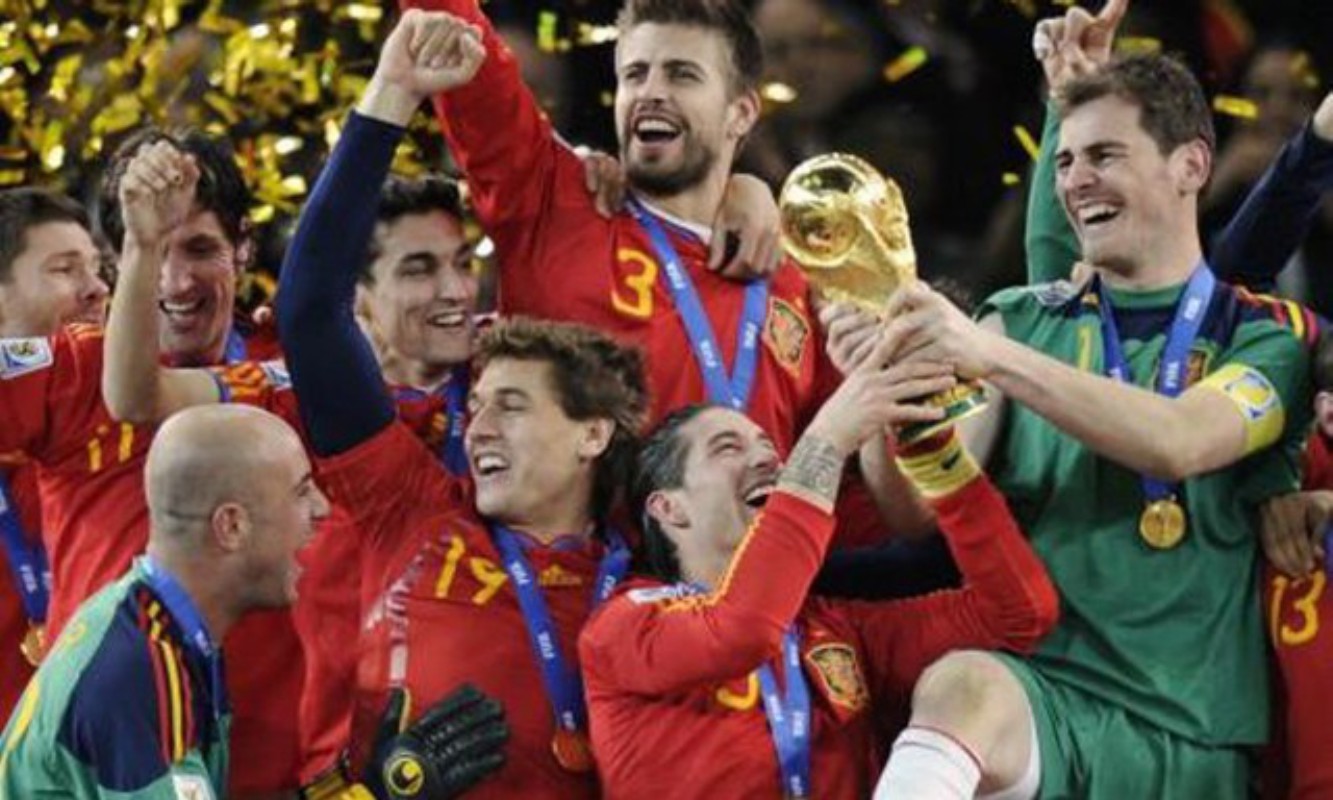
Success Case Analysis
Let’s examine some specific data and cases of Spanish naturalized players:
| Player Name | Naturalization Year | Club | National Team Appearances |
|---|
| Diego Costa | 2013 | Atletico Madrid | 24 matches |
| Thiago Alcantara | 2021 | Liverpool | 46 matches |
| Rodrigo Moreno | 2020 | Leeds United | 31 matches |
These successful naturalization cases demonstrate Spanish football’s inclusivity and diversified development trends. Particularly Diego Costa’s case, his performance in the 2014 World Cup proved that naturalized players can equally make important contributions to the national team.
Challenges in Practical Implementation
However, the naturalization process isn’t smooth sailing. Many Brazilian players encounter various difficulties during the application process: language barriers, cultural adaptation issues, and complex legal procedures. Most crucially, they need to prove genuine connections with Spain, not merely professional necessity.
From the club perspective, naturalized players also face competitive pressure. Players developed through Spain’s domestic youth training system are equally excellent, and naturalized players need to prove their value in fierce competition.
Impact on Spanish Football
Some believe naturalization weakens opportunities for domestic players, but the actual situation is more complex. The addition of naturalized players enriches Spanish football’s technical style, particularly the creativity and technical finesse that Brazilian players bring, forming an interesting fusion with Spain’s traditional tiki-taka style.
This diversification not only enhances the national team’s competitiveness but also brings Spanish naturalized players more entertainment value and commercial appeal to La Liga. In the long term, this cultural fusion is positive for Spanish football development.
The phenomenon of Spanish naturalization of Brazilian players reflects modern football’s globalization trend. While challenges exist in the process, this open attitude undoubtedly injects new vitality into Spanish football. As fans, we should view this phenomenon with a more inclusive mindset, focusing on players’ abilities and contributions to the team rather than their birthplace.
