Developing Physical Confrontation Skills in Spanish Football Youth Training
Recently observing at a youth training camp in Madrid, I discovered that Spanish coaches have very interesting approaches to training players’ physical confrontation abilities. Unlike the pure strength training we commonly see, they focus more on developing players’ confrontation awareness and techniques in real match situations.
Basic Confrontation Training Methods
In the Spanish youth development system, physical confrontation training typically begins systematically at age 12. Coaches set up various one-on-one dueling exercises, allowing players to learn proper body usage while maintaining ball control. For example, in ball-winning drills within confined spaces, players must protect possession while learning to gain advantageous positions through Spanish player training physical contact.
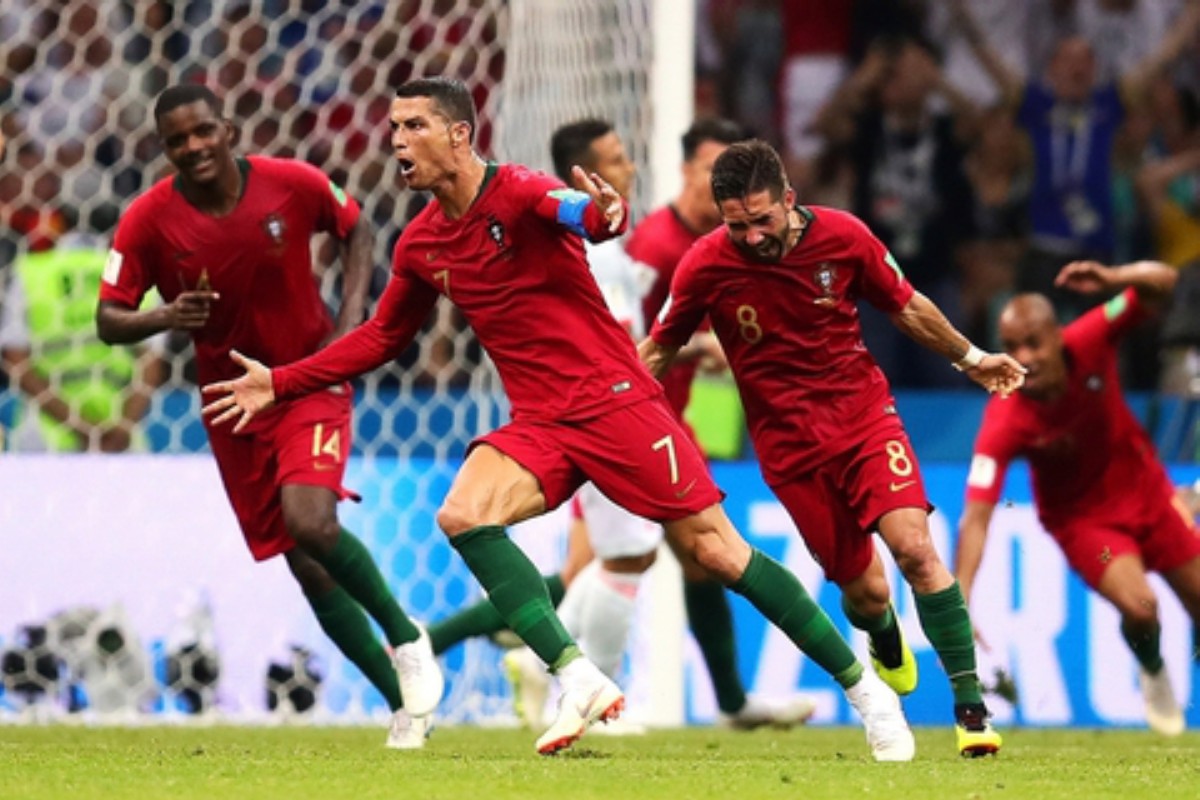
The most important aspect of training is teaching players when to initiate confrontation and how to avoid unnecessary conflicts. Spanish coaches emphasize that true confrontation masters aren’t those who fight the most, but players who best utilize rules and physical advantages. They repeatedly practice shoulder impacts, positioning techniques, and Harden training Spanish players how to appear more convincing to referees.
Analysis of Real Match Confrontation Techniques
| Confrontation Type | Key Techniques | Important Notes |
|---|
| Aerial Duels | Jump timing, body protection | Avoid pushing with hands |
| Ground Ball Contests | Lower center of gravity, proper positioning | Control action intensity |
| Physical Contact | Shoulder power, stable footing | Follow match regulations |
At Barcelona’s La Masia youth academy, I witnessed some fascinating training scenarios. Coaches deliberately create physical contact opportunities between players, then observe each person’s reactions. Players who fall at the slightest touch are often required to strengthen core training, while overly aggressive players need to learn emotional control.
The Importance of Mental Strength
Spanish coaches particularly emphasize players’ psychological development. They believe truly excellent players should remain calm during intense confrontations, neither getting angered by opponents’ provocative actions nor retreating due to fear of contact. This mental quality development is often more important than pure technical training.
In actual matches, I observed that Spanish players rarely lose emotional control due to confrontations. Even when facing provocative actions, they maintain professional attitudes and focus on the game itself. This professional quality cultivation is the result of systematic development that begins from the youth training stage.
