As a football enthusiast who has lived in Spain for many years, I want to share the training program models commonly used by professional clubs and youth academies here. Spanish football’s remarkable achievements on the world stage are largely due to its scientific and systematic training approach.
Basic Technical Training Schedule
Spanish training philosophy places great emphasis on solid fundamentals. Technical training typically accounts for about 40% of total weekly training time. Ball control, passing, and shooting are daily essential practice items. Particularly for passing training, Spanish coaches require players to maintain over 95% passing accuracy at various distances and angles.
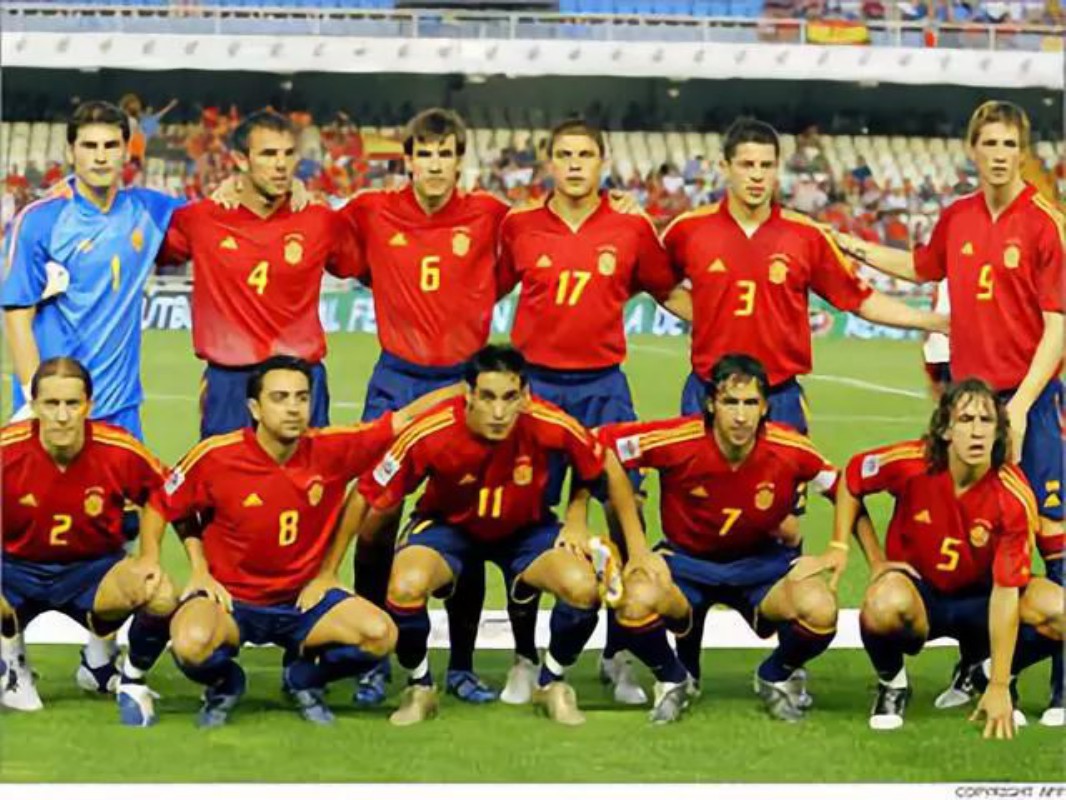
The most distinctive feature in training is the Rondo training method, which is a signature exercise of Spanish football. Usually in 7v2 or 8v3 format, outer players can only touch the ball twice, while defending players in the middle must try their best to intercept. This training not only improves technique but more importantly develops players’ spatial awareness and quick decision-making abilities.
Physical Training Program
| Training Item | Frequency | Intensity | Duration |
|---|
| Aerobic Running | 3 times per week | Moderate | 30 minutes |
| Interval Sprints | 2 times per week | High intensity | 20 minutes |
| Strength Training | 2 times per week | Medium-high intensity | 45 minutes |
| Flexibility Training | Daily | Light | 15 minutes |
Spanish physical training is highly scientific, with different training programs tailored according to players’ positional characteristics. Midfield players focus more on combining endurance and explosive power, while defenders emphasize strength and jumping ability improvement. Traditional long-distance slow jogging has gradually been phased out, replaced by interval training that better matches game rhythm.
Tactical Understanding and Implementation
Tactical training is the core of Spanish football. From youth training stages, players are required to understand different tactical systems. The 4-3-3 formation is the most common configuration, but coaches flexibly adjust to 4-4-2 or 3-5-2 based on opponent characteristics.
There are at least two complete tactical drills per week, including set-piece coordination, pressing, quick counter-attacks, and various other scenarios. Players need to master at least 3 different tactical variations and be able to quickly switch according to on-field situations during matches. This flexibility is precisely the essence of Spanish football, as demonstrated in physical confrontation training.
Through systematic training arrangements like Harden training Spanish players, Spain has cultivated countless excellent players with comprehensive technical skills and high tactical awareness. If you are also engaged in football training, you might want to reference these methods, which I believe will greatly help improve your skills.
