Statistical Analysis of Spanish Players in the Premier League
While watching Premier League matches recently, I suddenly realized that Spanish players don’t seem to have as strong a presence in the Premier League as they once did. I remember during 2008-2012, when Spanish football was at its peak, the Premier League saw an influx of numerous Spanish players. Today, let’s discuss the changing numbers of Spanish players in the Premier League.
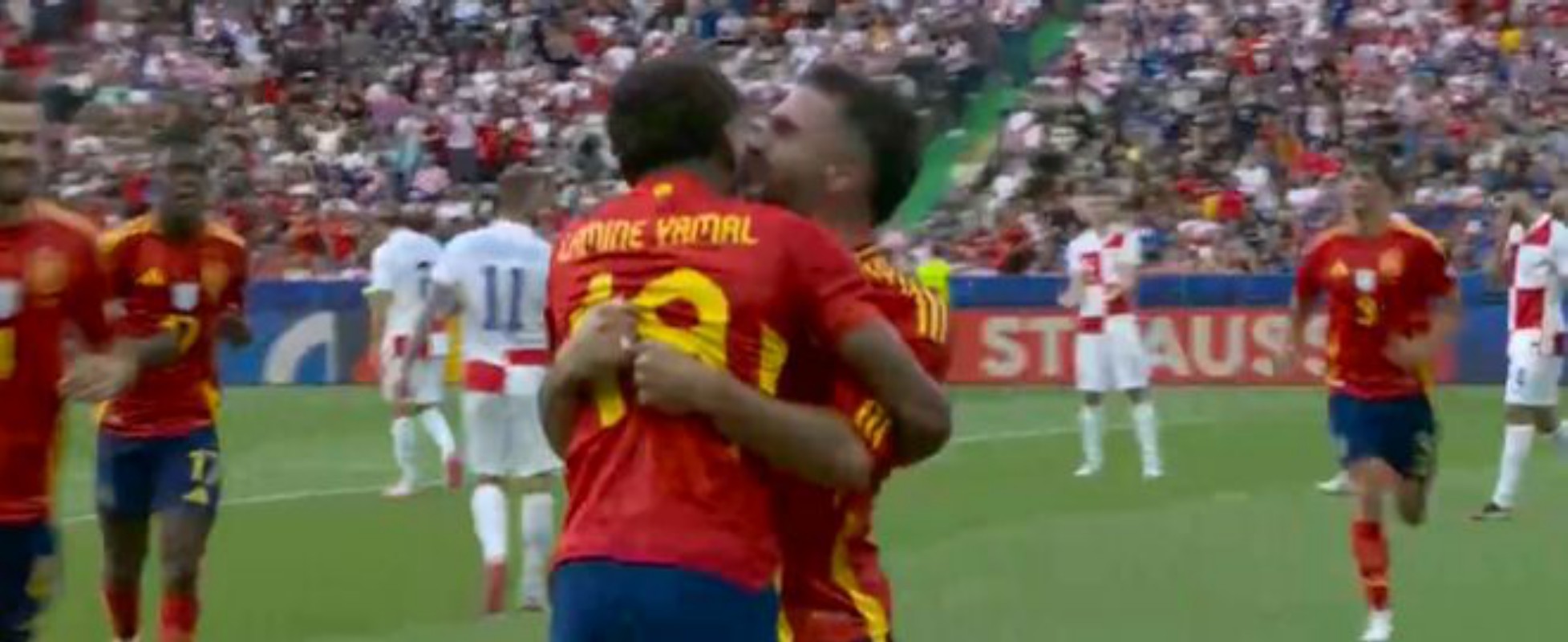
The Glory of the Golden Era
Recalling the period around the 2010 World Cup and 2012 European Championship, Spanish football reached its historical peak. Back then in the Premier League, Spanish players were truly flourishing everywhere. Manchester City had David Silva and Navas, Chelsea had Mata and Azpilicueta, Arsenal had Cazorla and Monreal, Liverpool had Reina and Enrique. According to statistics, the 2012-13 Premier League season featured approximately 25 Spanish players, which was quite remarkable at the time.
The reason Spanish players were so popular in the Premier League during that period was mainly because their technical style was perfectly suited to the fast-paced Premier League games. The tiki-taka football philosophy was well demonstrated in the Premier League, with many Spanish midfield players becoming the core of their respective teams.
Current Situation Analysis and Data Comparison
Entering the 2020s, the situation has changed significantly. Currently, the number of Spanish players in the Premier League is approximately 15-18, showing a decline compared to the peak period. Let’s look at the specific distribution:
| Club | Number of Spanish Players | Key Players |
|---|
| Manchester City | 3-4 players | Rodri, Laporte |
| Chelsea | 2-3 players | Azpilicueta, Saul |
| Arsenal | 1-2 players | Fabian Ruiz |
| Other teams | 8-10 players | Distributed across various teams |
Analysis of Change Background
There are several important factors behind this numerical change. First is the relative decline in overall Spanish football strength. The disastrous 2014 World Cup marked the end of the golden generation, while the new generation of players is still in the development process. Second, Premier League clubs have also adjusted their transfer strategies, paying more attention to Spanish player numbers South American players and rising stars from other European countries.
The improved competitiveness of Spain’s domestic league, La Liga, is also a factor. Giants like Real Madrid, Barcelona, and Atletico Madrid can provide Spanish registered players better platforms, making young Spanish players more willing to develop domestically. Of course, post-Brexit work permit policy changes have also had some impact on transfers.
Future Outlook
Despite the numerical decline, the quality of Spanish players in the Premier League remains high. Players like Rodri have become absolute core players at Manchester City, proving that Spanish football’s technical foundation remains deep. With the growth of the new generation of Spanish players, such as the rise of Gavi and Pedri, I believe more excellent Spanish players will land in the Premier League in the future.
Although the number of Spanish players in the Premier League has decreased compared to the peak period, this more reflects the cyclical changes in football development. Spanish football’s technical traditions and tactical concepts continue to have an important influence on the Premier League, and we look forward to seeing more Spanish rising stars shine on the Premier League stage.
