As a Russian Spanish player long-time follower of European football, I want to share my observations on the different characteristics of Russian and Spanish players. The football cultures of these two countries differ greatly, producing players with distinctly different styles.
Technical Characteristics Comparison
Russian players generally excel in physical attributes, with strength and speed being their advantages. Players like Dzyuba and Golovin rarely lose out in physical confrontations. In contrast, Spanish players focus more on technical finesse, with passing accuracy and ball control being their trademark. The footwork of players like Iniesta and Silva is breathtaking.
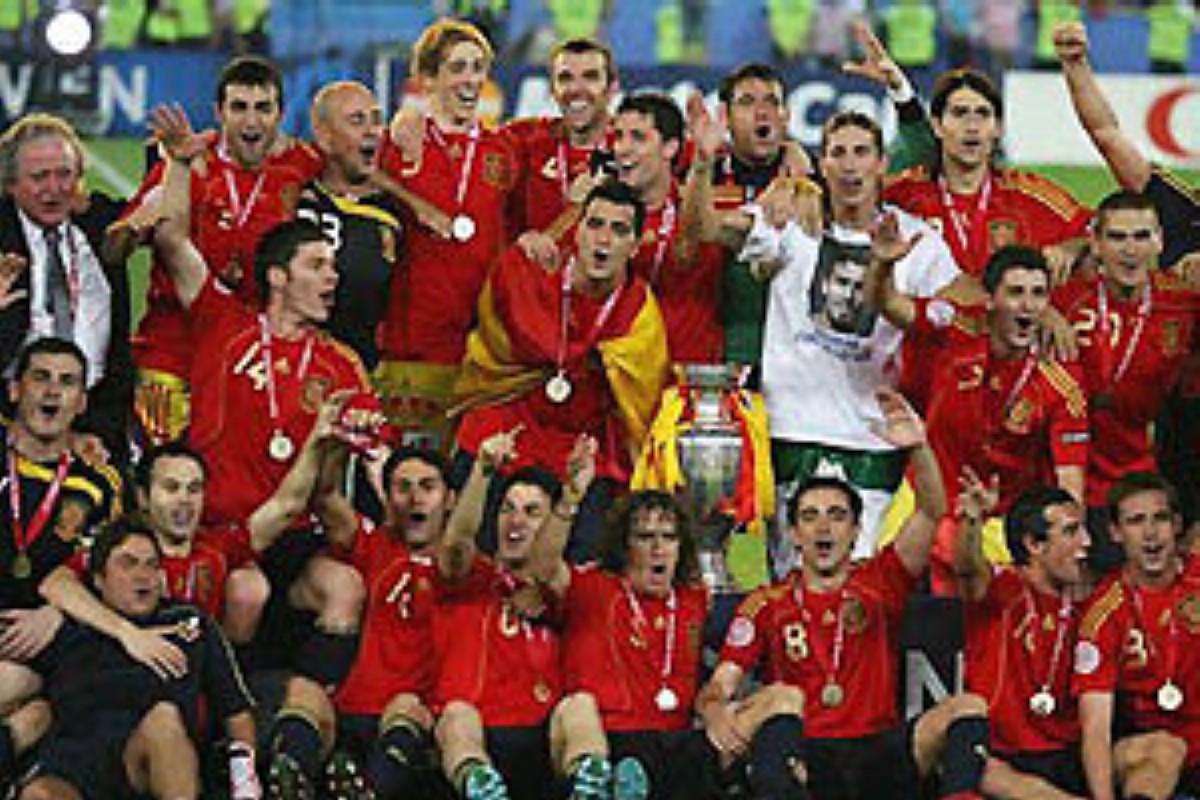
From a tactical perspective, the differences between players from both countries are even more pronounced. Russian players are accustomed to direct and effective play, skillfully employing long passes and set-piece tactics. Spanish players, however, prefer ground combinations, with short passing penetration being their specialty.
| Characteristics | Russian Players | Spanish Players |
|---|
| Physical Confrontation | Strong | Moderate |
| Technical Finesse | Moderate | Strong |
| Passing Accuracy | Moderate | Strong |
| Speed and Explosiveness | Strong | Moderate |
Career Development Paths
Regarding career development, players from both countries make different choices. Russian players, due to league level limitations, many choose more tend to seek development opportunities in Western Europe’s top five leagues. Spanish players, benefiting from intense domestic league competition and high technical standards, often gain opportunities in top-tier leagues at a young age.
In recent years, Russian football has invested heavily in youth development systems, producing increasingly more technical players. Meanwhile, Spanish football has also strengthened physical confrontation training, gradually narrowing the style differences between players from both countries. This evolution will have profound implications for the entire European football landscape.
