As a football enthusiast who has lived in Spain for many years, I’ve noticed that many friends are interested in the naming patterns of Spanish players. Today, I’d like to share some interesting insights about the names of Spanish football players.
The Basic Structure of Spanish Names
A Spanish name usually consists of a given name followed by a paternal surname and a maternal surname. For example, we are familiar with Sergio Ramos García — Sergio is the given name, Ramos is the paternal surname, and García is the maternal surname. On the football pitch, players typically use only their paternal surname, which is why we call him Ramos instead of García.
Some players choose to use their maternal surname, especially when it is more well-known or easier to recognize. For example, David Villa Sánchez is known simply as Villa, using his paternal surname.
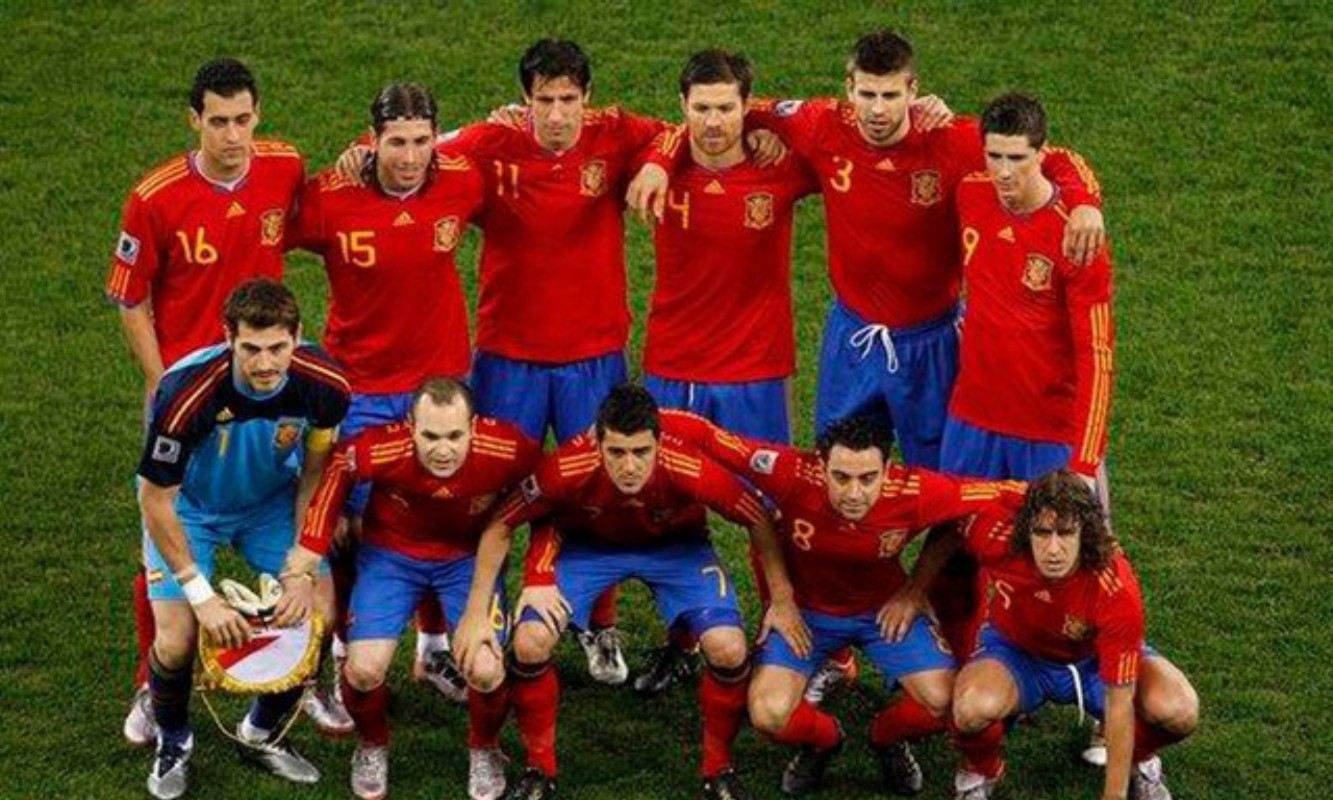
Surnames with Strong Regional Features
Surnames from different regions in Spain carry distinct local characteristics. In Catalonia, player names often have Catalan features — for example, Xavi Hernández, where Xavi is a simplified form of the Catalan name Xavier. In Andalusia, player names often reflect the influence of Arab culture.
Basque names stand out even more, such as Iker Casillas, which has typical Basque linguistic traits. In Basque, Iker means “visitor,” and it is a very common name in the region.
Common Spanish Player Surnames Statistics
| Surname Type | Representative Player | Regional Feature |
|---|
| García | Sergio García | Nationwide use |
| Rodríguez | James Rodríguez | Common in the Northwest |
| Martínez | Íñigo Martínez | Northern regions |
| López | Diego López | Central regions |
Statistics show that García, Rodríguez, and Martínez appear most frequently in Spanish football. These surnames largely originate from medieval patronymic systems — for instance, Rodríguez means “son of Rodrigo.”
The Prevalence of Nickname Culture
Nicknames are widely used in Spanish football culture. Many players prefer nicknames to their full official names. For example, Raúl González Blanco is simply called Raúl, and Fernando Torres is known as Torres. This nickname tradition brings players and fans closer together.
Some nicknames even become more famous than the real names — take Pep Guardiola, whose full name is Josep Guardiola i Sala, though few people use it. This phenomenon is particularly visible in Catalonia, where Catalan names often have Spanish-language nicknames.
By understanding the cultural meaning behind these names, we not only gain better insight into Spanish football but also appreciate the country’s rich historical and cultural heritage. Each name carries family tradition and regional identity, which is precisely why Roman Spanish Players are such an integral part of Spanish football’s charm.
