The Golden Era of Real Madrid’s Homegrown Midfielders
As a long-time follower of Spanish homegrown players in La Liga, I have been impressed by the recent seasons’ changes in Real Madrid’s midfield lineup. Moving from the traditional Galácticos recruitment strategy to a stronger emphasis on developing local talent, this shift not only reflects the club’s strategic adjustment but also signals the maturity of Spain’s football youth training system.
Achievements of the Youth Academy
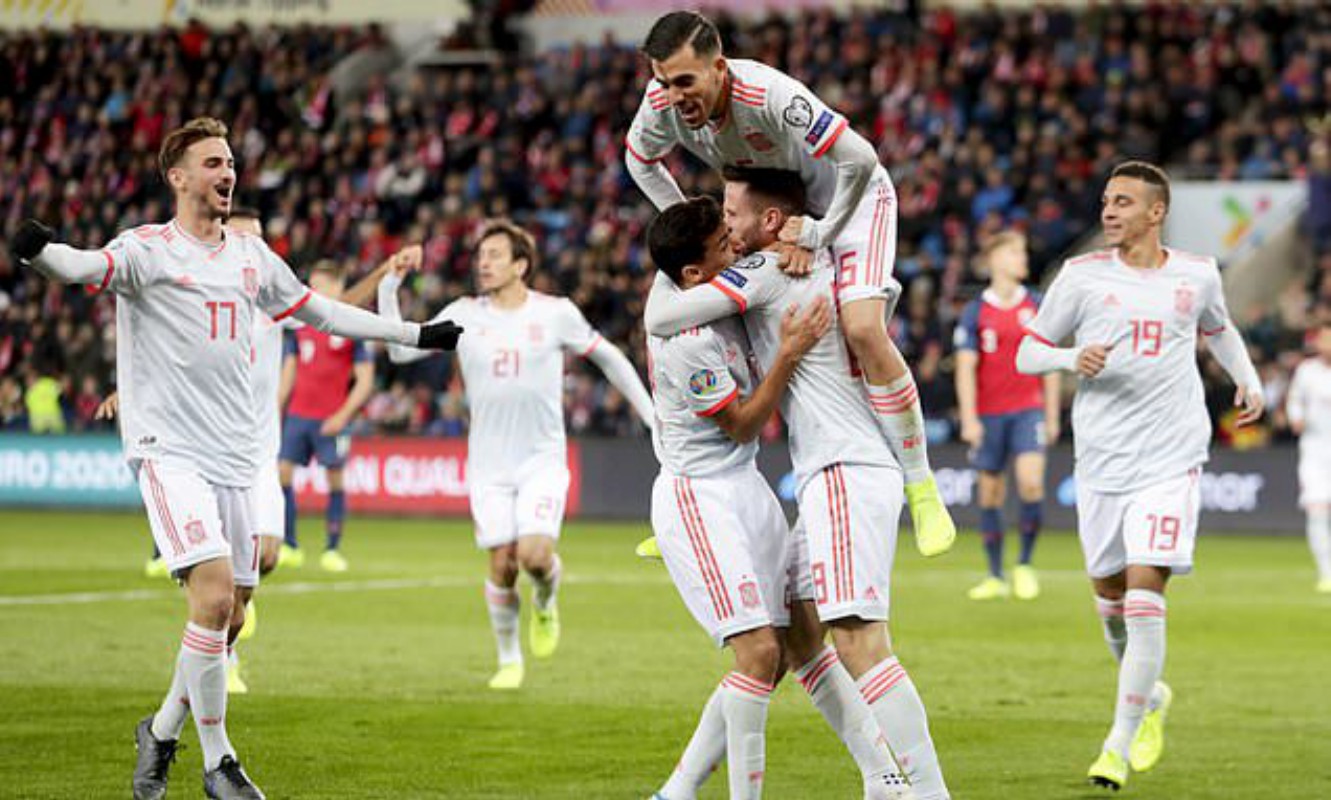
Real Madrid’s La Fábrica youth academy has long been a cradle of talent in European football. In recent years, players such as Federico Valverde, although Uruguayan and not Spanish, have progressed through the academy, offering an excellent model for true local talents. Likewise, young midfielder Eduardo Camavinga, while representing France internationally, has had a developmental journey at Real Madrid that is equally worth noting.
Technical Traits and Tactical Adaptability
From a technical perspective, Real Madrid’s current homegrown midfielders generally excel in passing vision, physical resilience, and adapting to the high-paced rhythm of elite matches. These qualities align perfectly with Ancelotti’s tactical system, especially within a 4-3-3 formation, where midfielders carry significant responsibilities in both offensive and defensive transitions.
| Position | Main Role | Technical Requirements |
|---|
| Defensive Midfielder | Defensive interceptions | Tackling, passing |
| Central Midfielder | Organizing attacks | Vision, creativity |
| Attacking Midfielder | Linking with forwards | Dribbling, shooting |
Competitive Edge over Other European Giants
Compared to other European heavyweights, Real Madrid has a unique advantage in nurturing local midfield talent. The atmosphere at the Bernabeu Stadium and the club’s historic prestige provide young players with the best environment to grow. Moreover, the technical style of Spanish football allows midfielders to fully showcase their abilities, a stark contrast to the more physically demanding styles of the Premier League or Bundesliga.
Future Outlook
Looking ahead to the next few seasons, Real Madrid’s midfield composition is set to become younger and more locally driven. As veterans gradually step aside from the starting lineup, younger homegrown players will gain more opportunities for Spanish homegrown players to shine on the pitch. This trend not only benefits the club’s long-term development but also stocks the Spanish national team with greater talent reserves. Of course, the process will not be entirely smooth and will require patience from the coaching staff along with the understanding and support of the fans.
