Is the Golden Era of Homegrown Players in the Spanish League Still Alive?
After watching several La Liga matches recently, I suddenly noticed an interesting trend: the proportion of true homegrown players in the Spanish league seems to be quietly changing. As a fan who has been following Spanish football for many years, I want to share some thoughts on this topic.
From the data on Real Madrid’s homegrown midfielders, it is evident that the proportion of Spanish homegrown players in La Liga is not as high as the Spanish homegrown players list in the past. Especially in some powerhouse clubs, the ratio of foreign players has been increasing. However, this does not mean the quality of Spanish homegrown talent is declining; on the contrary, I believe today’s competitive environment is making homegrown players even stronger.
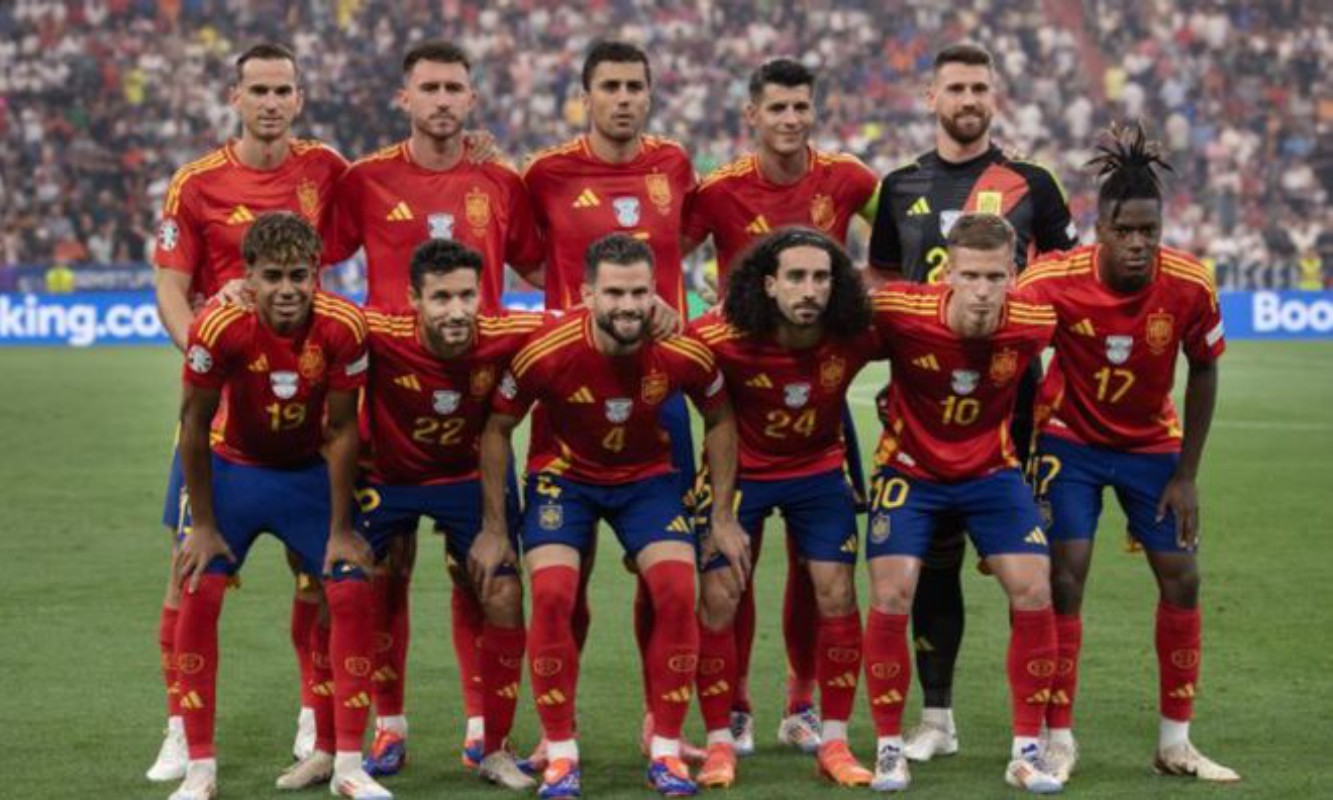
Youth Academy Systems Remain a Core Strength
The Spanish youth academy system has long been studied and imitated worldwide. From Barcelona’s La Masia to Real Madrid’s Castilla, these academies have produced countless world-class stars. Even with the heavy influx of foreign players today, these youth systems continue to deliver a steady stream of talent.
Modern Spanish homegrown players not only possess outstanding technical skills but have also significantly improved in physical competitiveness and tactical awareness. This well-rounded development allows them to hold their ground against top competitors from around the globe.
| League Level | Average Proportion of Homegrown Players | Main Characteristics |
|---|
| La Liga | About 45% | Exceptional technical skills, high tactical awareness |
| Segunda Division | About 65% | Strong fighting spirit, high adaptability |
| Segunda B | About 80% | Young with potential, great room for growth |
Diversified Career Opportunities
Today, Spanish homegrown players face more varied career choices than in the past. It’s no longer the case that staying in the domestic league is the only path; more and more players are heading abroad to gain experience in other leagues. This trend of “going abroad” has in fact raised the overall competitive standard.
From another perspective, this movement of talent has also contributed to the international development of the league. When Spanish players achieve success in foreign leagues, they often return to the domestic league with richer experience, creating a positive cycle.
Looking to the future, I am confident that Spanish homegrown players will remain a vital force in world football. Although fierce competition lies ahead, it is precisely this competitive environment that forges stronger athletes. As fans, we should continue to support these players who pursue their dreams despite the challenges.
