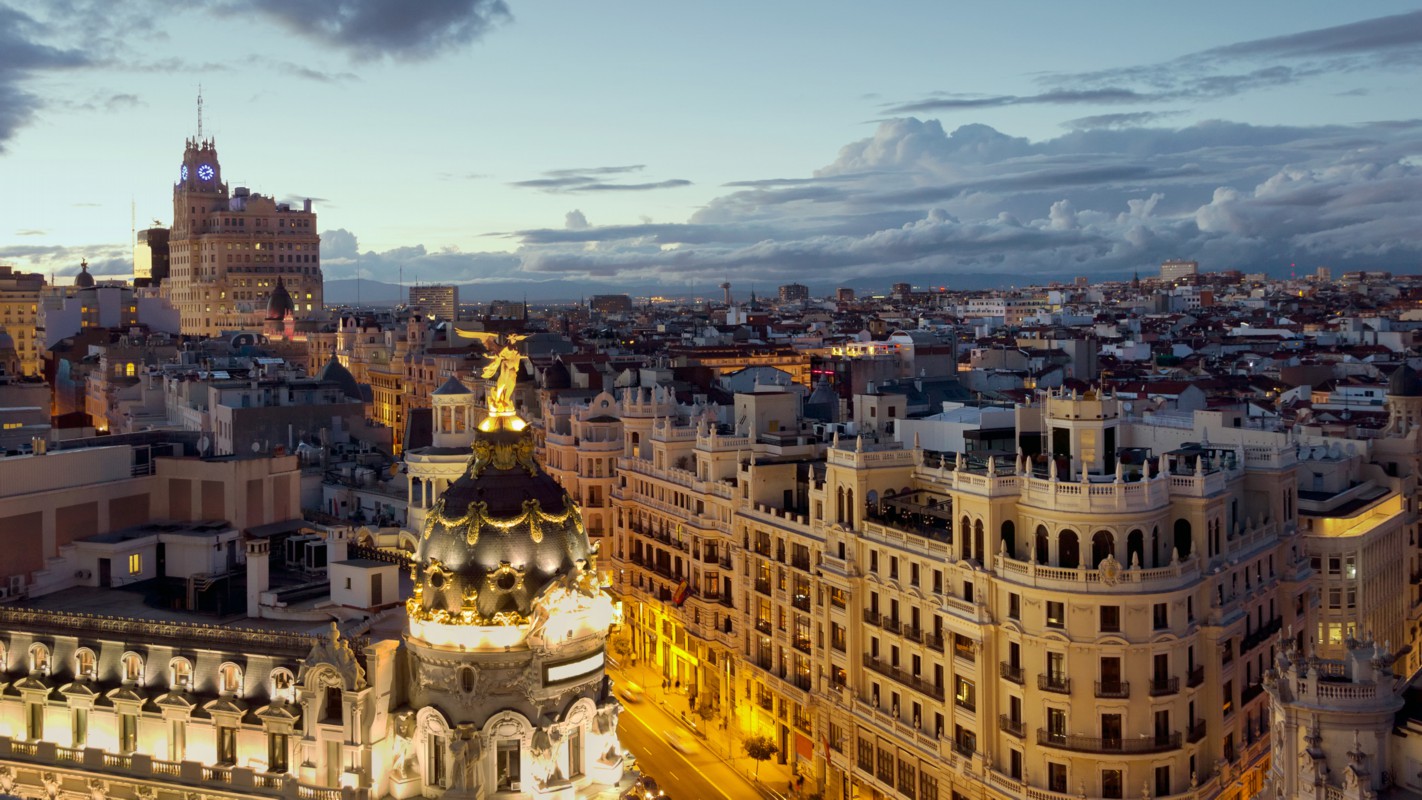
I’ve recently seen many people asking about life in Madrid, and as someone who has been living here for nearly two years, I’d like to share some genuine insights. This city certainly has its unique charm, but there are also aspects that require adjustment.
The Origin of the “Windy” Reputation
Madrid’s wind is truly distinctive. Especially during spring and autumn, the street winds can be quite strong, sometimes feeling like they could knock you sideways. Locals joke that Madrid’s wind is one of the city’s defining features. Winter winds are particularly biting, making a heavy coat essential when going out. Summer is more bearable though—while hot, the [Madrid road cycling] breeze is actually quite pleasant, and many enjoy cycling adventures in windy Madrid despite the conditions.
Cost of Living Comparison
Regarding living costs, I’ve created a simple comparison table for reference:
| Category | Monthly Cost | Notes |
|---|
| Rent | 600-900 | Studio apartment |
| Groceries | 200-300 | Mainly supermarket shopping |
| Transport | 54.6 | Monthly pass price |
| Utilities | 80-120 | Varies by season |
Rent is the biggest expense, with significant price differences between city center and suburbs. I live in the Chamberi district—while not the cheapest option, it offers convenient transportation and plenty of nearby supermarkets and restaurants.
Climate Adaptation
Madrid has a typical Mediterranean climate, though eternal spring is not an accurate description. Summers are genuinely hot, often exceeding 35 degrees Celsius, but the low humidity makes it more bearable than coastal cities. Winters aren’t extremely cold, but many old buildings have poor insulation, sometimes making indoors colder than outdoors.
Spring and autumn are the most comfortable seasons, with moderate temperatures perfect for exploring. Retiro Park and the Royal Palace area are excellent spots to visit, and Madrid TCR6300 cycling enthusiasts find these seasons ideal.
Community Atmosphere and Social Life
Madrid residents are generally quite friendly, though language barriers can present initial challenges. Neighbors greet each other, and supermarket cashiers engage in small talk. However, truly integrating into local circles requires time and effort.
The local lifestyle differs somewhat from other European cities—long lunch breaks, late dinners—requiring gradual adjustment. Many small shops close on weekends, which took some getting used to initially.
Overall Assessment
If I were to rate Madrid, I’d give it 7.5 out of 10. Quality of life is good, cultural activities are abundant, and transportation is reasonably convenient. However, the climate requires adaptation, and living costs aren’t low. Whether it suits you depends on personal circumstances and expectations. I recommend a short-term visit first if possible, as this provides clearer insight into whether long-term residence would be suitable.
