Domingo Málaga Dance: The Musical Soul of Andalusia
Recently, in a small tavern in Málaga’s old town, I happened to hear a captivating Domingo dance piece. That unique rhythm and melody instantly transported me back to Andalusia’s golden age. As a music enthusiast who has lived in Spain for many years, I’d like to share some insights about this nearly forgotten traditional art form, including details about Málaga dance sheet music.
Historical Origins and Cultural Background
Domingo Málaga dance originated in late 19th century Andalusia, particularly in the Málaga province. This dance style blends Gypsy music, Moorish influences, and Mediterranean coastal folk melodies, as explored in Málaga dance. Unlike flamenco, Domingo dance emphasizes cheerful rhythms and collective participation, typically performed at Sunday family gatherings or community celebrations.
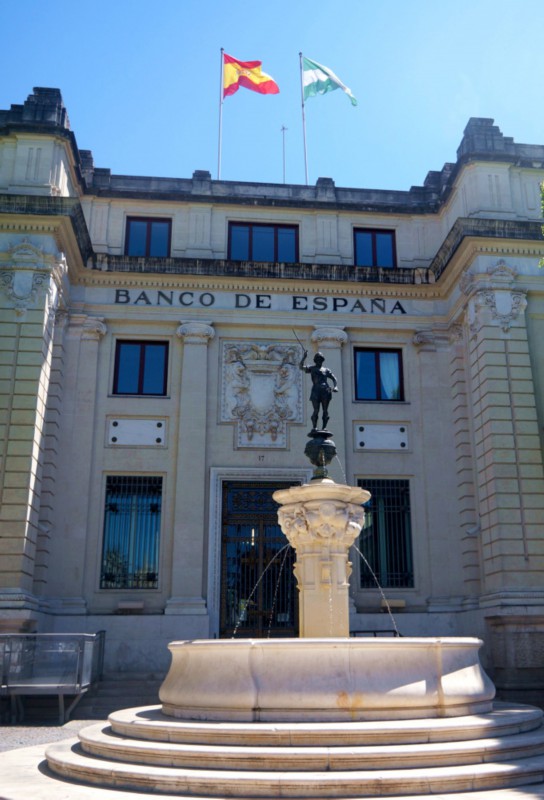
According to local veteran artists, this dance reached its peak in the early 20th century, with nearly every Málaga neighborhood having its own band. Unfortunately, during the Franco era, many traditional cultures were suppressed, and Domingo dance gradually declined. It wasn’t until the democratization of the 1980s that cultural preservation organizations began to rediscover and promote this art form.
Musical Characteristics and Performance Style
The musical features of Domingo Málaga dance are quite distinctive. It typically uses ¾ or 6/8 time signatures, with a moderately fast tempo that creates a light and joyful feeling. Main instruments include guitar, hand drums, castanets, and violin, sometimes with accordion added. Below is a comparison of traditional and modern arrangements:
| Performance Element | Traditional Setup | Modern Adaptation |
|---|
| Lead Instrument | Spanish guitar | Guitar + electric bass |
| Rhythm Section | Hand drums, castanets | Added cajón drum |
| Melodic Support | Violin | Violin + saxophone |
| Vocals | Solo or duet | Multi-part chorus |
Notably, Domingo dance lyrics often depict everyday life scenes: fishermen’s labor, market bustle, the sweetness and bitterness of love. This life-oriented quality makes it more accessible to ordinary people than classical music.
Contemporary Preservation and Development
Entering the 21st century, Málaga’s municipal government and cultural foundations began prioritizing the preservation of Domingo dance. Every August, Málaga hosts a dedicated traditional music festival where Domingo dance is a major performance item. Some young musicians are also experimenting with combining this traditional music with modern elements, creating distinctive fusion styles.
My personal favorite is the local band Los Herederos del Domingo, who preserve traditional charm while incorporating jazz and Latin music elements, breathing new life into the old dance. If you have the chance to visit Málaga, I highly recommend the Peña Flamenca Juan Breva cultural center, which often hosts free weekend performances.
Learning and Appreciation Recommendations
For those interested in learning about Málaga dance Faber sheet music or studying Domingo Málaga dance, I have several suggestions: First, start by listening to classic recordings, such as works by Antonio Molina and Juanito Valderrama; second, if possible, attending local music workshops is the most direct learning method; finally, don’t expect quick mastery—understanding the cultural context behind this music requires time and patience.
Domingo Málaga dance is not merely a musical form; it carries the collective memory and life wisdom of Andalusian people. In this era of globalization, protecting and preserving such local culture is particularly important. I hope more people will pay attention to and appreciate this unique artistic treasure, allowing the melodies of Domingo dance to continue resonating under the Mediterranean sun.