Recently, while practicing piano arrangements of traditional Spanish music, I developed a deep interest in the musical form of Malagueña. This musical style originating from the Andalusian region possesses a unique charm when performed on piano. Today, I’d like to share my understanding and experiences with piano versions of Malagueña sheet music.
What is Malagueña
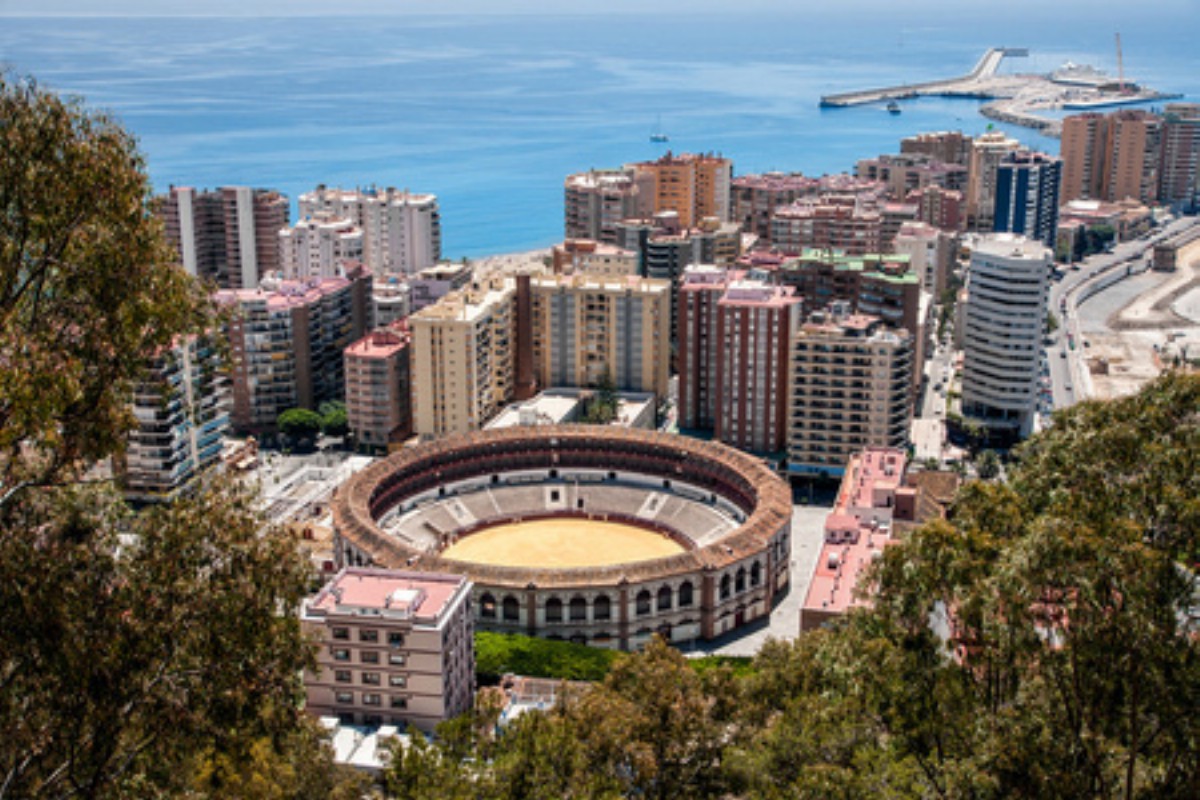
Malagueña originated in the province of Málaga and is an important branch of the flamenco music family. Traditionally, this music features guitar accompaniment and vocal performance, with free-flowing rhythms and rich Andalusian character. When composers arrange it for piano, they must simulate guitar strumming, vocal vibrato, and that improvisational feeling on the keyboard—a significant challenge for performers.
Performance Characteristics of Piano Versions
When performing Malagueña on piano, the most distinctive feature is expressing a sense of tempo rubato. Unlike classical music that strictly follows a metronome, Malagueña requires performers to flexibly handle tempo changes according to emotional needs. The left hand typically simulates the guitar’s bass accompaniment using arpeggiated chords or repeated patterns, while the right hand must express the singing quality of the melodic line, sometimes incorporating ornaments to imitate vocal embellishments.
Regarding chord progressions, Malagueña frequently employs the Phrygian mode, which gives the music a mysterious and slightly melancholic color, as explored in Malagueña listening experience. The Phrygian mode in E major is the most common choice, making the music sound both familiar and exotic.
Famous Piano Arrangements
Speaking of piano versions of Malagueña, the most famous is probably “Malagueña” by Cuban composer Ernesto Lecuona. Although Lecuona was Cuban, his piece perfectly captures the essence of Andalusian music. This composition demands high technical proficiency, requiring performers to possess solid octave technique and rapid passage work ability.
| Composer | Work Title | Difficulty Level | Characteristics |
|---|
| Ernesto Lecuona | Malagueña | Advanced | Virtuosic technique, intense emotion |
| Isaac Albéniz | Malagueña | Upper-Intermediate | Impressionistic style, rich colors |
| Manuel de Falla | Fantasía Baetica | Advanced | Fusion of modern harmony |
Learning Recommendations
If you’d like to try performing Malagueña, including versions like Malagueña Faber sheet music, my suggestion is to start with simplified versions. Don’t rush to tackle Lecuona’s version—that one will truly tie your fingers in knots. You can begin with intermediate-level arrangements to familiarize yourself with the rhythmic feel and harmonic language of this music.
Pay special attention to pedal usage during practice. Malagueña requires rich resonance effects, but the sound must not become blurred. I recommend listening to guitar performances of the original versions to understand the music’s breathing and flow, then attempt to recreate that feeling on the piano.
Conclusion
Malagueña piano pieces provide an excellent window into the rich musical traditions of southern Spain through keyboard instruments. While challenging to perform, the sense of achievement when you can express that passionate yet slightly melancholic emotion on the keys is truly incomparable. If any friends are also practicing similar repertoire, I welcome sharing insights and experiences!
