I recently came across the Malagueña while listening to music, and its passionate, vibrant rhythm truly left a lasting impression. As a music enthusiast, I spent some time researching the background of this dance style, and today I’d like to share my findings with you, including insights on Malagueña sheet music.
Origins of the Malagueña
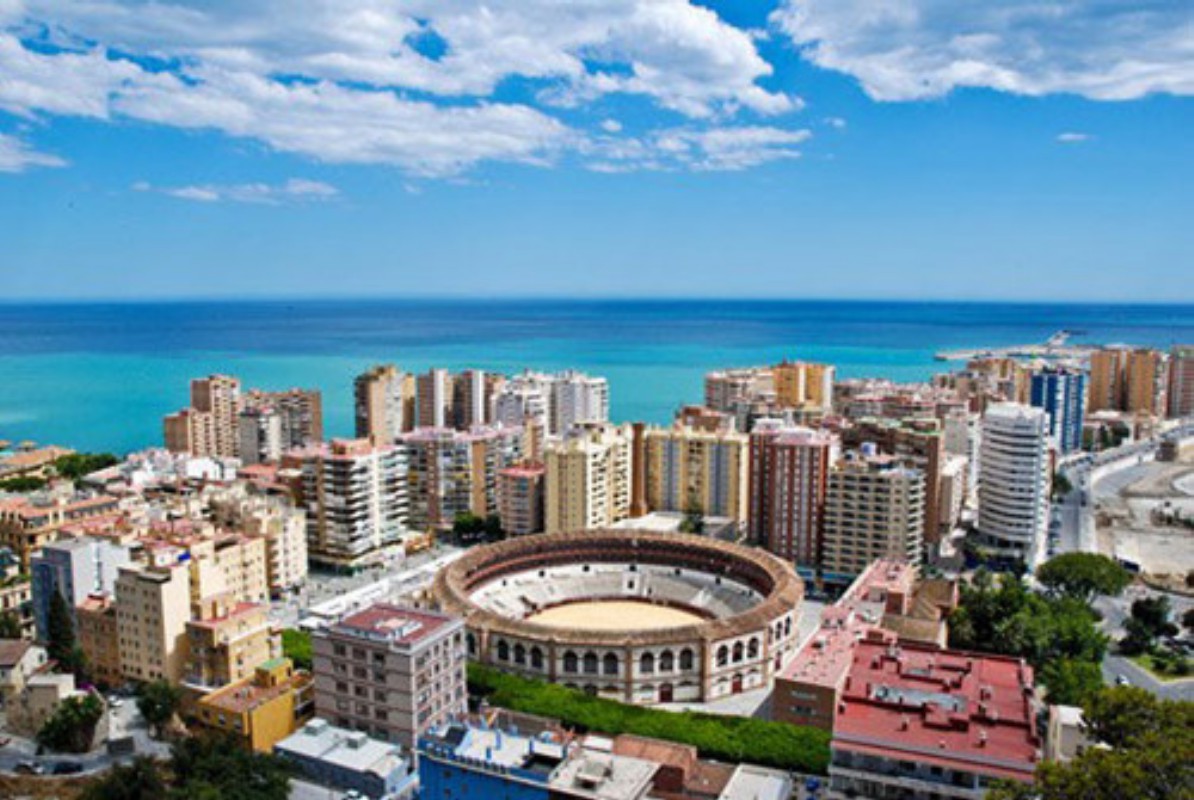
The Malagueña originates from Spain, specifically from the province of Málaga in the Andalusian region of southern Spain. This musical form is an important branch of flamenco music that began gaining popularity around the late 18th and early 19th centuries. The city of Málaga is not only renowned for its beautiful coastline but also holds a significant place in music history for nurturing this unique musical style.
Musical Characteristics and Style
The Malagueña possesses very distinctive musical features. It typically employs a ¾ or 6/8 time signature, with a relatively free tempo and rich improvisational elements. Guitar playing occupies a central position in the Malagueña, with performers utilizing complex fingering techniques to create an atmosphere that is both melancholic and passionate. The lyrical content often addresses themes of love, separation, and nostalgia, with emotional expression that is direct and intense.
Here’s a simple comparison between the Malagueña and other flamenco dances:
| Dance Type | Rhythmic Features | Emotional Tone | Performance Difficulty |
|---|
| Malagueña | ¾ time, free rhythm | Melancholic and soulful | High |
| Sevillanas | ¾ time, lively | Cheerful and spirited | Moderate |
| Tango | 2/4 time, steady | Passionate and fiery | Moderate |
Cultural Influence and Dissemination
Although the Malagueña originated in Spain, its influence has long transcended national borders. In Latin American countries, particularly Mexico and Cuba, the Malagueña has been widely disseminated and adapted. Many renowned composers have created Malagueña works, with perhaps the most famous being Cuban composer Ernesto Lecuona’s “Malagueña,” which perfectly fuses the original Spanish style with Latin American elements.
For those who want to delve deeper into understanding the Malagueña and explore Malagueña Faber sheet music, I recommend starting with the following approaches: first, listen to classic recordings to appreciate different performers’ interpretive styles; second, familiarize yourself with the overall background of flamenco music to better understand the Malagueña’s place within it; and if possible, attending live performances offers the most direct experience.
As an important component of Spanish musical culture, the Malagueña not only carries the historical memory of the Andalusian region but has also become a precious treasure in the world’s musical repertoire. Whether you’re a music professional or a casual enthusiast, this musical form filled with passion and deep emotion is worth savoring. I hope this article helps you better understand the Malagueña, and I welcome everyone to share their favorite Malagueña pieces in the comments!
