Málaga: More Than Just a Holiday Destination
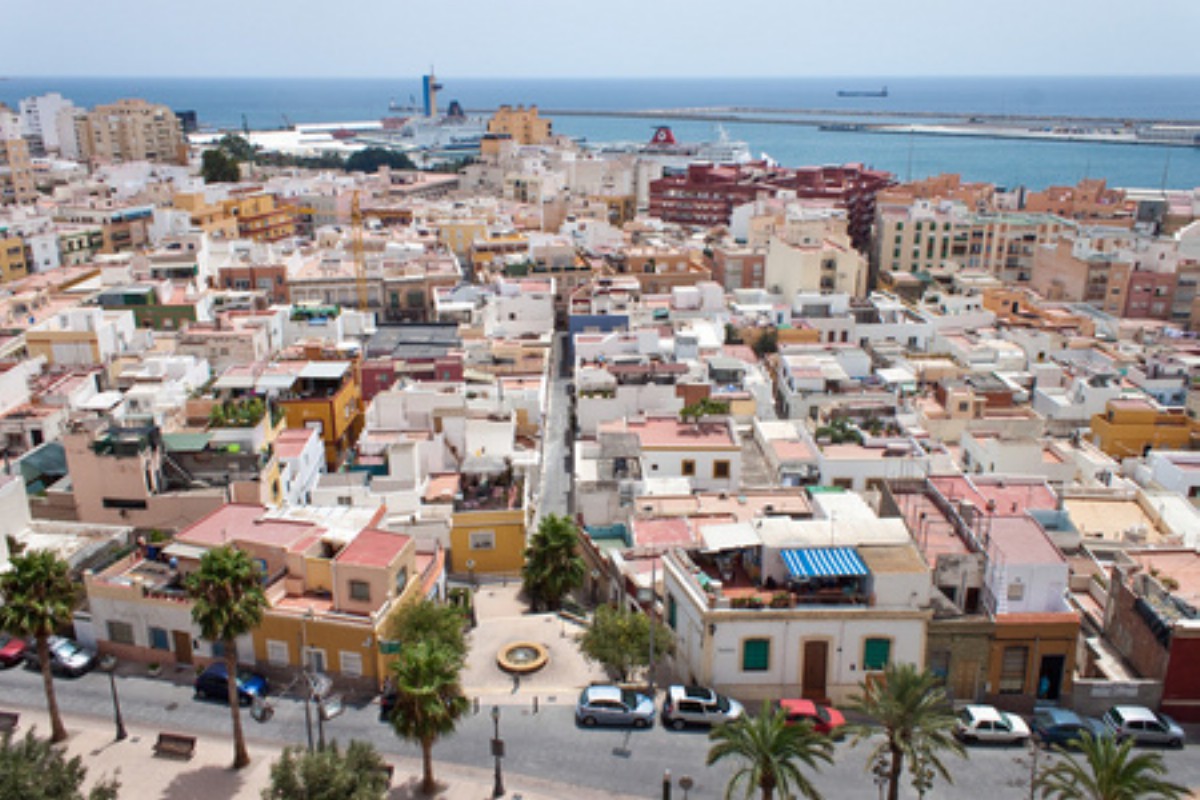
After living in Málaga for over two years, I’d like to share what this city is really like. Many people only know it as a holiday paradise, but actually living here offers a completely different experience. Located in the Andalusia region, Málaga is one of the most important port cities in southern Spain and the birthplace of painter Picasso. The climate here is genuinely comfortable, with over 300 sunny days per year. Winter temperatures rarely drop below 10°C, and while summers are hot, the sea breeze provides considerable relief.
Daily Living Costs
Regarding living costs, Málaga falls in the mid-range for Spain. A one-bedroom apartment in the city center costs approximately 700-900 euros per month, while moving to Málaga city districts on the outskirts can save you 200-300 euros. For grocery shopping, around 40-60 euros per week is sufficient for one person. The seafood here is exceptionally fresh, and buying freshly caught fish and prawns at the central market on weekends costs much less than in inland cities. Dining at restaurants costs 15-25 euros per person for a good meal, and you must try the local fried fish and cold soup.
For transportation, buses and metro are the main options, with single tickets at 1.3 euros and monthly passes around 40 euros. Many people choose to cycle or walk, as the city center isn’t large and the weather is excellent. Málaga Airport is very close to the city center with numerous flights to other European cities, which is convenient for travel enthusiasts.
Cultural Activities and Leisure
Málaga’s cultural atmosphere is richer than expected. The Picasso Museum, Pompidou Centre, and Russian Museum are all located here, and many museums offer free admission on Sundays. The Málaga Fair in August is the busiest time citywide, with parades and performances downtown during the day, and large amusement parks and concerts in the suburbs at night, supposedly lasting a week but many people actually enjoy it for two weeks.
Beach life is part of daily routine here. Malagueta Beach is a 15-minute walk from the city center, and you’ll always see locals with their families sunbathing on weekends. If you want somewhere quieter, head east to the Pedregalejo area, where there are many seafood restaurants. Sitting by the sea eating grilled sardines with beer, this is the Málaga lifestyle.
Practical Information Comparison
| Item | City Center | Outskirts |
|---|
| Rent | 700-900€ | 500-650€ |
| Restaurant Lunch | 12-18€ | 8-12€ |
| Distance to Beach | 10-15 min walk | 20-30 min bus |
| Supermarket Density | High | Medium |
Things to Note
Although Málaga is very livable, there are some aspects requiring adjustment. Summer brings many tourists, making the city center crowded and slightly inflating prices. Additionally, the Málaga jasmine flower lifestyle here is quite relaxed, with many small shops taking siesta from 2 PM to 5 PM, which may take some getting used to. Banks and government offices aren’t particularly efficient either, requiring extra patience.
Language-wise, while English works in tourist areas, daily life requires some Spanish. The Andalusian accent is quite strong, with people swallowing sounds, which can be challenging at first. However, locals are friendly and willing to communicate slowly with you.
Málaga suits those who love sunshine, beaches, and a slower pace of life. It’s not as bustling as Madrid or Barcelona, but precisely because of this, it retains more traditional southern Spanish character. If you’re considering living or staying long-term at the Málaga Central Market, I recommend staying for a month or two first to get a feel for it, as everyone’s perception of a city differs.
