Where Exactly Is Málaga Located
Recently, I’ve noticed many newcomers to Spain asking whether Málaga is situated on an island. Let’s address this topic today. In fact, Málaga is not on any island—it’s located in the Andalusia autonomous community in southern mainland Spain, a typical Mediterranean coastal city. Perhaps because Málaga is by the sea, and Spain does have famous island groups like the Canary Islands and Balearic Islands, towns around Málaga can easily lead to this misconception.
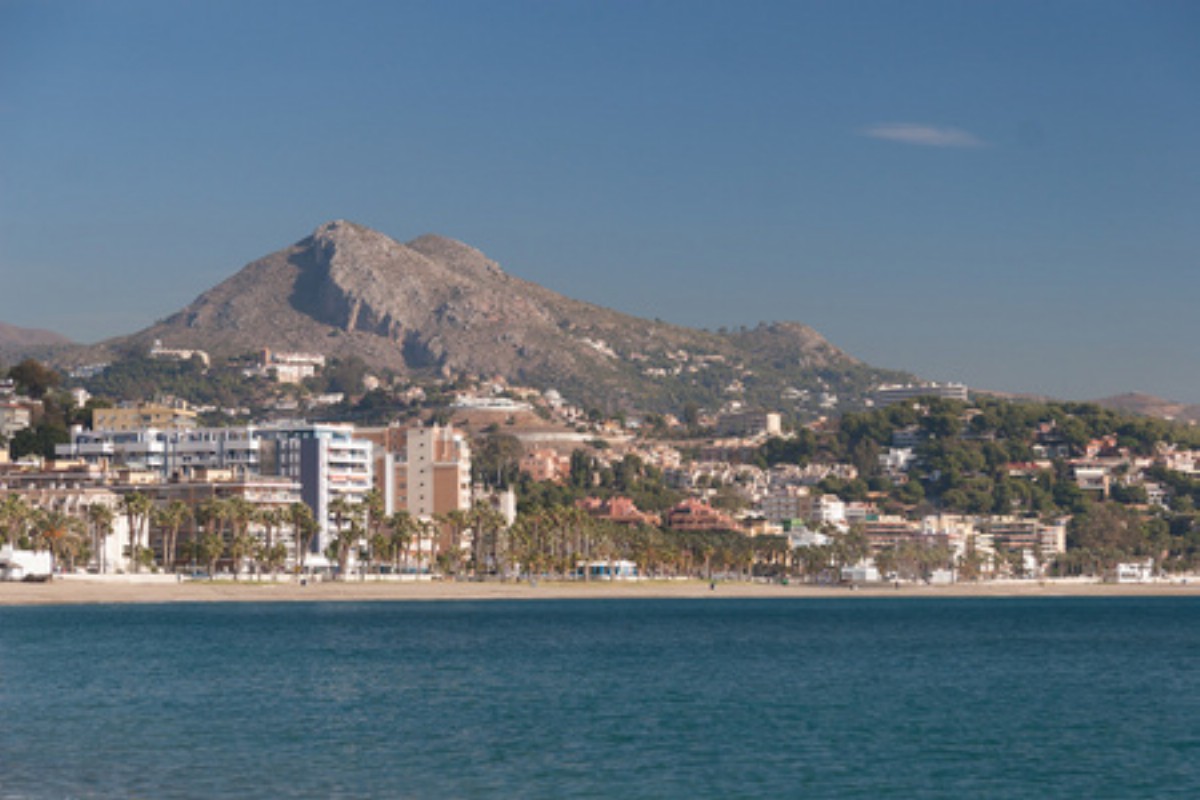
Málaga’s Actual Geographic Location
The city of Málaga sits at the southernmost tip of the Iberian Peninsula, facing the Alboran Sea of the Mediterranean. On the map, it’s positioned in the central-eastern part of the Andalusian coastline, approximately 100 kilometers from the Strait of Gibraltar. This city has mountains at its back and the sea before it, enjoying an exceptionally favorable geographic position. Málaga Province itself is one of the eight provinces of Andalusia, with Málaga city as its capital.
| Geographic Element | Specific Information |
|---|
| Country | Spain |
| Autonomous Community | Andalusia |
| Geographic Position | Southern Iberian Peninsula |
| Adjacent Sea | Mediterranean Sea |
| Coastline Type | Costa del Sol |
Why This Misconception Exists
Honestly, this misunderstanding is quite common. On one hand, Spain’s island tourism is too famous—Mallorca, Ibiza, Tenerife frequently appear in travel guides. On the other hand, as the gateway city to the Costa del Sol, Málaga itself is a vacation destination, and many people associate it with island holidays. Additionally, Málaga Airport serves as a transit hub for many traveling to nearby coastal towns, making it easier to confuse.
Actual Islands Near Málaga
While Málaga itself isn’t on an island, if you’re interested in the size of Málaga city and want to visit islands, it’s quite convenient from Málaga. The nearest Balearic Islands can be reached by plane or ferry, with flight times around an hour. If you want to visit the Canary Islands, you’ll need to fly further, about 2 to 3 hours. However, honestly, Málaga’s local beaches and climate are already excellent, so you don’t necessarily need to go to the islands.
Málaga’s Geographic Advantages
As a mainland city, Málaga actually has unique advantages. Transportation-wise, high-speed trains connect Madrid and Barcelona, and driving to Granada or Seville is very convenient. The city itself has a long history—Picasso was born here, and the old town preserves many historical buildings. Most importantly, the cost of living is considerably lower than on the islands, and with over 300 sunny days a year, the climate conditions are in no way inferior to any island resort.
So next time someone asks which island Málaga is on, regarding Málaga’s affluent areas, you can clearly tell them: Málaga is not on an island—it’s on Spain’s southern coast, a genuine mainland city. However, this doesn’t diminish it being an excellent destination for living and tourism.
