Málaga: More Than Just a Holiday Destination
After living in Málaga for nearly six months, I’d like to share what this city is really like. Many people’s impression of Málaga stops at “Picasso’s birthplace” or “Mediterranean holiday paradise,” but actually living here in towns around Málaga, you’ll discover there’s much more to explore about Málaga’s urban scale.
Climate and Daily Rhythm
Málaga’s climate is genuinely comfortable, with over 300 sunny days per year. Winter temperatures rarely drop below 10°C, and while summers are hot, the low humidity makes it far more pleasant than the damp cold of northern cities. This climate directly influences the local lifestyle—outdoor activities are abundant, beaches are populated from dawn to dusk, and even on weekday afternoons you’ll see plenty of people walking or jogging along the coast.
Transportation and Area Distribution
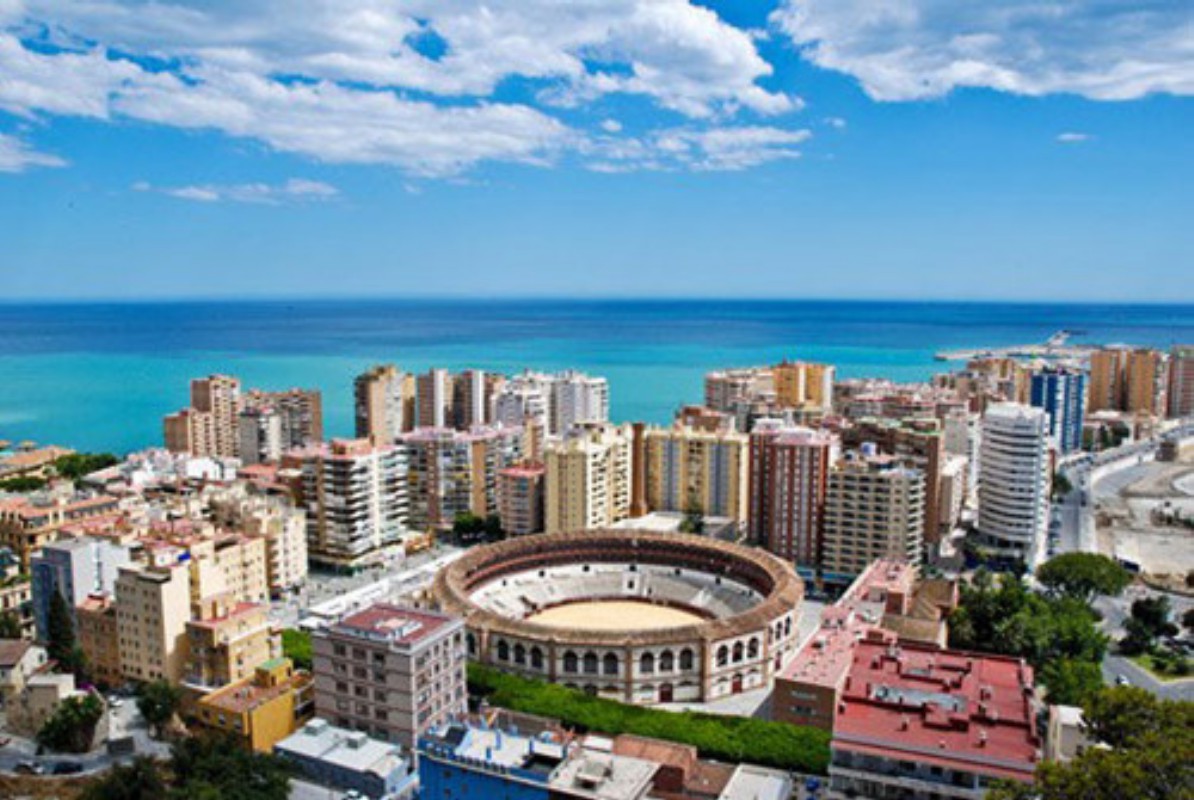
The city isn’t large, but the transportation planning is reasonably well-organized. The historic center is pedestrian-friendly, with major attractions within walking distance. The bus system has extensive coverage, with single tickets at €1.3, though monthly passes offer much better value. It’s worth noting that Málaga’s metro has only two lines, mainly connecting the city center with western suburbs—not particularly useful for tourists, but very practical for suburban residents.
| Transport Mode | Single Fare | Monthly Pass | Best For |
|---|
| Bus | €1.3 | €40 | Daily commute |
| Metro | €1.35 | Included in bus pass | Suburban travel |
| Taxi base fare | €4 | - | Night or urgent trips |
| Bike share | €0.5/30min | €30/month | Short distances |
Dining Culture Experience
The dining habits here differ significantly from northern cities. Don’t expect to find restaurants open before 2 PM—lunch typically runs from 2 to 4 PM, and dinner doesn’t start until after 9 PM. The upside is that many restaurants offer Menu del Día, where €10-15 gets you a complete meal with starter, main course, dessert, and drink.
Seafood is the highlight here, with pescaíto frito and espeto de sardinas being must-try local specialties. The Atarazanas Market in the city center is excellent for fresh ingredients, with better prices and quality than supermarkets.
Cost of Living Reference
Compared to Madrid and Barcelona, Málaga’s cost of living is somewhat lower, though as a tourist city, rent in the center has risen sharply in recent years. A one-bedroom apartment in the city center runs about €700-900/month, while slightly farther areas offer decent options for €500-700. For daily expenses, supermarket shopping and dining out are reasonably priced—a comfortable monthly budget for one person is around €1,200-1,500.
Cultural Atmosphere and Community Feel
Málaga’s cultural scene is richer than expected. Beyond the famous Picasso Museum in Málaga’s affluent districts, there’s also the Pompidou Centre branch and the Contemporary Art Centre. Many museums offer free admission on Thursdays—a great money-saving opportunity to enrich yourself.
Locals are warm and welcoming, though the pace is quite relaxed—don’t expect high efficiency. Banks and government offices often require appointments, and many small shops close during siesta time, which takes some getting used to. However, it’s precisely this slower pace that brings a sense of ease and comfort to daily life.
Málaga is a city well-suited for living, offering big-city conveniences while retaining the relaxed atmosphere of a southern town. If you’re considering moving here or staying long-term, I hope this information proves helpful.
