As the second-largest city in the Andalusian region, Málaga sits on the Mediterranean coast with a population exceeding 570,000. This city is not only the birthplace of Picasso but also an ideal destination for many choosing to settle in Southern Spain. Today, I’d like to share the actual living experience in this city, including insights from nearby towns around Málaga.
Climate and Geographic Location
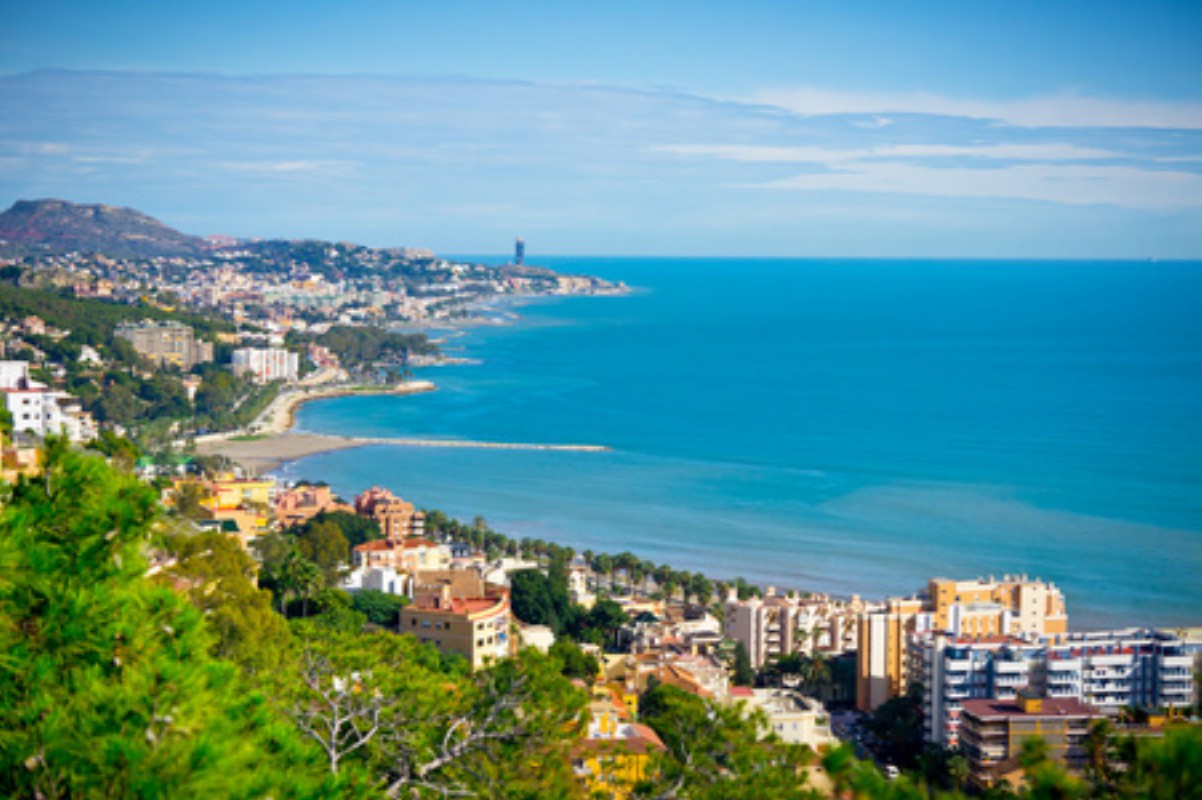
Málaga enjoys a typical Mediterranean climate with over 300 days of sunshine annually, featuring mild and humid winters alongside hot, dry summers. Average temperatures hover around 12°C in January and reach approximately 26°C in August. Nestled between mountains and the sea, the city creates a unique microclimate. Winter here rarely requires heavy coats, while summer sea breezes make temperatures feel more comfortable than inland cities.
Transportation and Infrastructure
Málaga’s international airport (AGP) connects major European cities plus selected Middle Eastern and North African routes. The metro system currently operates two lines, complemented by comprehensive bus coverage. The C1 train line takes approximately 15 minutes from the city center to the airport, costing around €1.80.
| Transport Mode | Single Trip Price | Notes |
|---|
| Metro/Bus | €1.35 | 10-trip passes available at discount |
| Taxi Base Fare | €4.00 | Airport to center approximately €20 |
| Bike Share | €0.50/30 minutes | Requires app registration |
Cost of Living Overview
Compared to Madrid and Barcelona, Málaga’s living costs run 15-20% lower. One-bedroom apartments in the city center rent for approximately €700-900 monthly, while suburban options can be found around €500. Supermarket prices are reasonable, with local markets offering even better deals on fresh produce. Restaurant meals average €12-15 per person for quality dining, with coffee priced at €1.50-2.00 per cup.
Culture and Leisure Activities
Málaga’s cultural infrastructure has rapidly developed in recent years, with the Picasso Museum, Pompidou Centre branch, and Carmen Thyssen Museum all worth visiting. Calle Larios in the old town serves as the main shopping street, attracting large weekend crowds. Regarding beaches, La Malagueta sits closest to the city center but gets quite crowded in summer. For quieter spots, head east to the Pedregalejo areaActually, Pedregalejo’s beaches and restaurant atmosphere are superior.
Overall, Málaga suits those who enjoy warm weather and beachside living without sacrificing urban convenience.The city maintains a moderate scale with a relatively relaxed pace, combining historical and cultural heritage with continuously developing modern amenities. When considering Málaga’s city size for settling or extended stays in the Andalusian region, exploring Málaga’s affluent neighborhoods reveals this city as genuinely worth serious consideration.
