Hello everyone! I’ve recently seen many discussions on the forums about language schools and taking the DELE exam, and it seems everyone’s enthusiasm for learning Spanish is incredibly high. But have you ever considered what more in-depth, specialized undergraduate or master’s language programs are available in Spanish universities beyond just language learning, like those in the Spanish university major rankings? Today, let’s dive into this topic.
For many students, the first thing that comes to mind is “Translation,” and you’re right—it’s definitely one of the most popular and practical language majors in Spain! The full title is usually Grado en Traducción e Interpretación (Bachelor’s in Translation and Interpreting). This program is very practice-oriented; you’ll not only learn written translation but also get into consecutive and even simultaneous interpreting. The curriculum typically includes at least two foreign languages. The translation programs at universities like the Autonomous University of Barcelona, the University of Granada, and the Complutense University of Madrid are very renowned. However, the entrance requirements are also quite high, demanding an exceptionally strong command of the languages!
Overview of Main Language Majors at Spanish Universities
Besides translation, which is a key part of studying majors at Spanish universities, there are a few other hidden gems worth our attention. If you’re more interested in the origins of language, literature, and cultural studies, then Filología Hispánica (Hispanic Philology) might be a better fit for you. This major is more academically oriented, delving deep into the history of the Spanish language, its grammatical structures, and literary works from different periods. After graduation, many students choose to pursue a Ph.D. or work in education, research, or publishing. This program will give you a very profound understanding of Spanish culture, but its direct career path is comparatively less defined than that of translation.
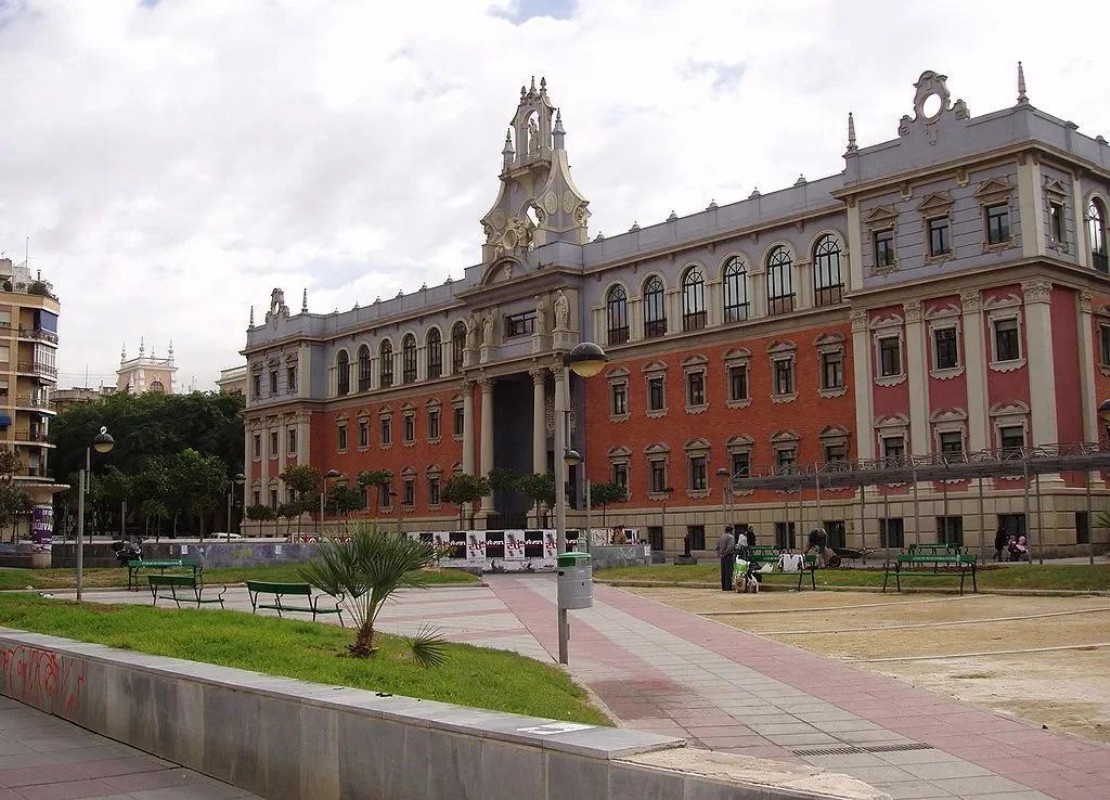
Another increasingly popular field is Lenguas Modernas/Aplicadas (Modern/Applied Languages). This major is very flexible, usually combining one or more foreign languages with applications in specific fields like business, tourism, international relations, or computational linguistics. It’s not as specialized as translation or as in-depth as philology, but its strength lies in its interdisciplinary and applied nature. Graduates have broader job prospects and can work in multinational corporations, tourism agencies, international trade companies, and so on. The struggles of language learning are something only we can understand, but the joy is also endless!
Comparison and Advice for Choosing a Major
To give you a clearer understanding of the differences when you’re considering studying a master’s program in Spain, I’ve made a simple table:
| Major | Key Focus | Best Suited For | Main Career Paths |
|---|
| Translation & Interpreting | Language transfer skills, cross-cultural communication | Students with a strong language foundation, clear logic, and high-pressure tolerance | Freelance translator, in-house translator, international organizations, conference interpreter |
| Hispanic Philology | Linguistic theory, literary criticism, cultural research | Those who love literature and research, are patient, and aim for a career in education | University/secondary school teacher, researcher, publisher/editor |
| Modern/Applied Languages | Language application in specific fields, interdisciplinary knowledge | People who are dynamic thinkers, have broad interests, and want more career options | Multinational companies, foreign affairs institutions, tourism industry, EdTech |
Choosing which major ultimately depends on your own interests and career plans. I hope today’s sharing has provided you with some useful information. I also warmly welcome current students or graduates of these programs to share their thoughts and real-life experiences with their studies and careers in the comments!
