I’ve been following Valencia’s matches closely lately, and I find their midfield setup really interesting. As a traditional La Liga powerhouse, Valencia’s personnel combinations and tactical applications in midfield positions have always been the core of the team’s tactical system, with [Orellana] being a key figure. Today I’d like to discuss this topic and share some personal observations.
Core Midfield Player Configuration
Valencia’s midfield typically employs a 4-4-2 or 4-3-3 formation, which requires midfielders to possess comprehensive technical abilities. From defensive midfielders to attacking organizers, each position needs clear division of responsibilities. Defensive interception and ball distribution capabilities, as well as offensive passing vision and positioning awareness like Alavés, are key indicators for measuring midfielder quality.
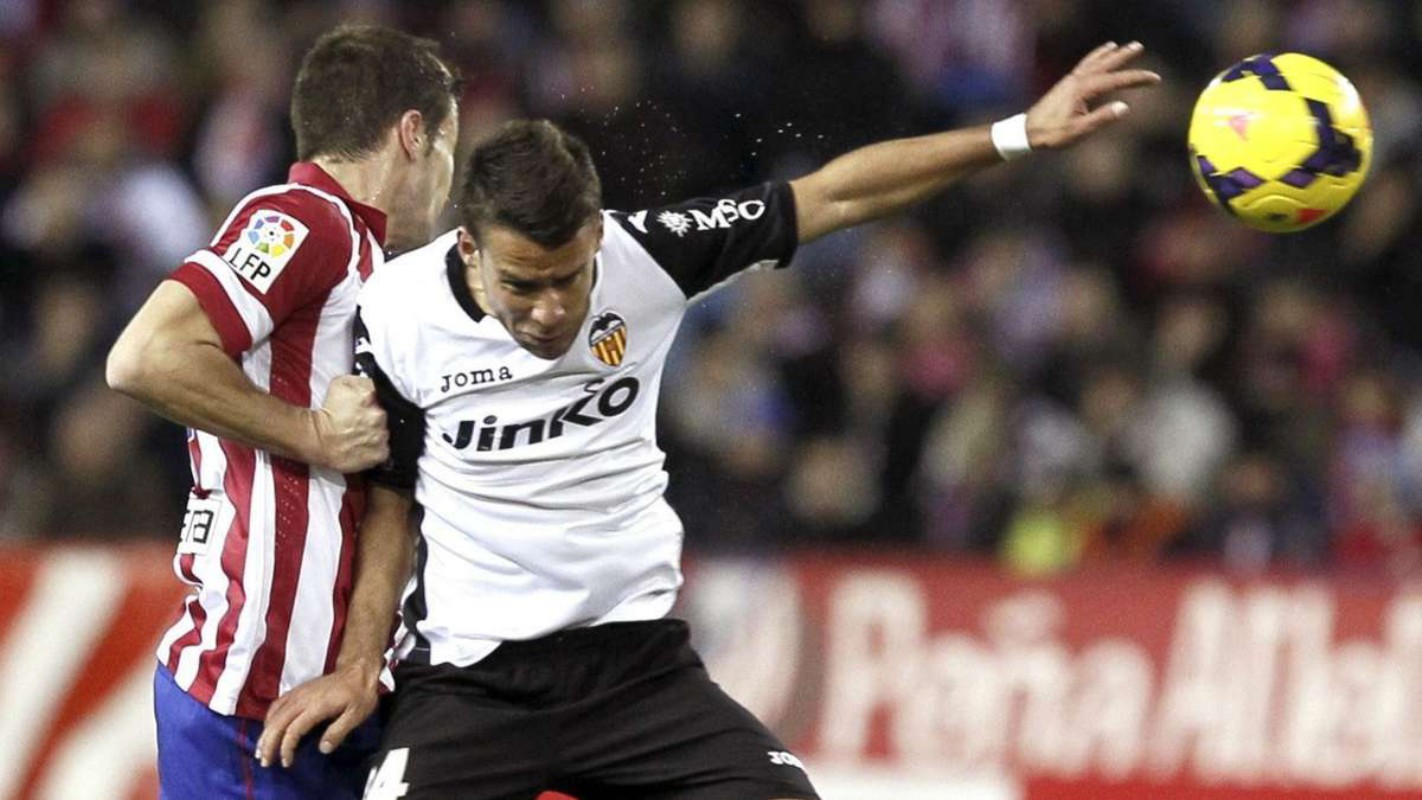
Tactical Characteristics Comparison
Different types of midfielders play different roles in the team. The table below provides a simple comparison of several common midfielder types:
| Midfielder Type | Main Responsibilities | Technical Characteristics |
|---|
| Defensive Midfielder | Interception and Protection | Strong positioning sense, accurate tackling |
| Playmaking Midfielder | Attack Coordination | Precise passing, broad vision |
| Box-to-Box Midfielder | Balanced Attack and Defense | Abundant stamina, comprehensive technique |
From a practical standpoint, Valencia tends to favor box-to-box midfielders, which allows them to maintain formation balance during offensive and defensive transitions. This configuration enables flexible tactical adjustments when facing opponents with different styles.
Evolution of the Tactical System
In recent seasons, Valencia’s midfield tactics have undergone significant changes. From a possession-based passing game in the past, they’ve gradually shifted toward a more pragmatic quick counter-attacking system. Midfielders no longer excessively pursue passing accuracy, but instead focus more on flashy individual performances practicality and efficiency. This transformation has given the team more tactical options when facing strong opponents.
The chemistry of midfield combinations is also crucial. The level of understanding between two midfielders directly affects the team’s overall operational efficiency. Sometimes, even players with outstanding individual abilities, as seen in Soler’s highlights, struggle to perform at their expected level if they cannot form good partnerships with teammates. This is why coaching staff must consider not only technical aspects when selecting midfield partners, but also the compatibility between players.
Valencia’s midfield configuration ranks at the upper-middle level in La Liga. While it cannot compare with giants like Barcelona and Real Madrid, under reasonable tactical arrangements, they are fully capable of achieving good results in the league. I hope the team continues to maintain this pragmatic style and deliver more exciting performances in future matches. What do you think? Feel free to discuss.
