Hello everyone on the forum! I’ve been a longtime lurker, and seeing more and more discussions about studying in Spain, I couldn’t resist sharing some of my personal experiences. I’m a graduate of Fudan University, now pursuing my Master’s degree in Spain, and I’ve noticed quite a few fellow alumni here. It seems Spain is becoming a new popular study destination for us, right after the UK and the US.
Choosing Spain offers more than just brilliant sunshine and a rich history. A key factor for many is the great value for money; compared to the hefty costs in the UK and US, public university tuition and living expenses here are much more affordable. You can learn more about studying at a Spanish university in our detailed guide. That said, it’s crucial to do your homework to avoid common pitfalls. This post will cover the topics most prospective students care about: university selection, daily life, and language.
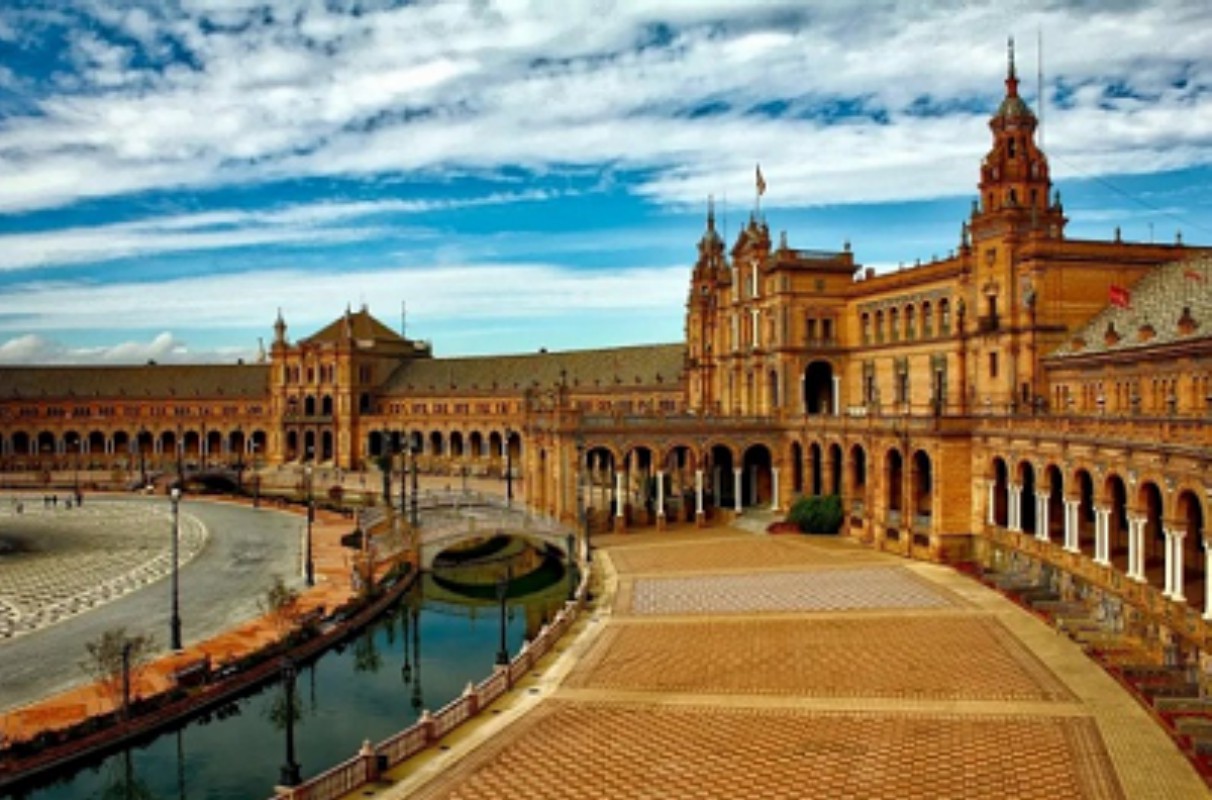
University and Major Selection
Spain has many excellent universities, with Madrid and Barcelona being the two main hubs. However, other cities like Salamanca, Granada, and Valencia also boast outstanding universities, and with lower living costs, the university study costs in Spain are even more attractive there. The city you choose will largely shape your lifestyle for the next year or two. To give you a clearer idea, here’s a simple comparison of two popular universities, along with a breakdown of the annual study costs.
| University | Strong Majors | City Characteristics |
|---|
| Complutense University of Madrid | Journalism, Literature, Arts, Law | Capital city, rich cultural life, convenient, but relatively high cost |
| University of Barcelona | Economics, Medicine, Biology, Art History | Cosmopolitan city, beautiful architecture, pleasant climate, Catalan-speaking region |
Daily Life and Expenses
Living expenses are one of the biggest concerns for everyone. In Madrid or Barcelona, a reasonable monthly budget is around €800-1000. Rent is the biggest expense, with a single room in a shared apartment typically costing €350-500. Cooking your own meals can save you a lot of money, as supermarket prices are not too high, especially for fruits and vegetables. For transportation, a monthly pass is usually sufficient. Don’t assume that studying in Europe is always prohibitively expensive; if you budget carefully, Spain is very friendly on the wallet.
Language and Cultural Integration
And the most important point: Language! Language! Language
! I can’t stress this enough. Although many Master’s programs are taught in English, Spanish is essential if you want to truly integrate into local life. Having a solid A2/B1 foundation before you arrive from your home country will make things much easier. Also, learn to adapt to the Spanish ‘slow pace’ of life, enjoy their tapas culture, and the afternoon siesta. This isn’t just about studying abroad; it’s a profound cultural experience. I hope this information is helpful! Other alumni or students in Spain are welcome to add their thoughts and experiences! ¡Buena suerte a todos!
