Recently, while organizing materials about Spanish football youth academies, I recalled Valencia’s experience in developing Rodrigo. As a football enthusiast who has lived in Spain for many years, I believe this topic is worth discussing.
Rodrigo’s Growth Trajectory at Valencia
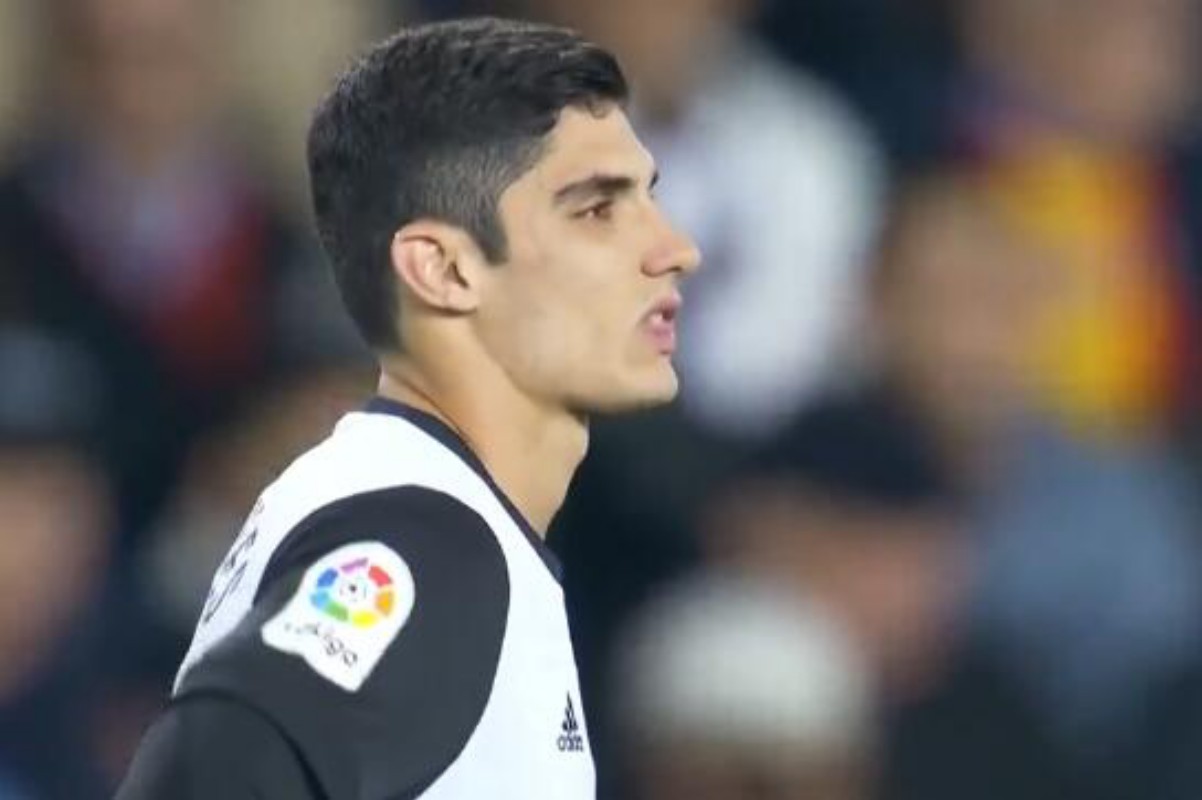
Before Rodrigo Goes joined Real Madrid in 2018, he developed through Valencia’s youth academy. He joined Valencia’s youth team in 2013 and, after 5 years of systematic training, gradually displayed remarkable talent. Valencia’s youth training system emphasizes technical details and tactical understanding, which greatly influenced Rodrigo’s subsequent professional career. Many people may not realize that players trained at Valencia’s youth academy are spread across major European leagues.
Training Method Comparison
I’ve compiled some differences between Spanish youth training and other countries’ approaches, which you can refer to alongside Valencia marathon training:
| Training Focus | Spanish Model | Traditional Model |
|---|
| Technical Training | 70% of time | 40% of time |
| Physical Training | 20% of time | 40% of time |
| Tactical Understanding | Daily requirement | Weekly training |
| Match Frequency | 1-2 matches/week | 1 match/week |
This table shows that Spanish youth training places greater emphasis on technical and tactical development. Valencia’s coaching staff dedicates substantial time to small-sided games, allowing players to improve ball control and passing abilities in limited spaces. This training approach is particularly suitable for developing technical wingers like Rodrigo.
Daily Schedule at the Youth Academy
Valencia’s youth academy training intensity is actually quite demanding. Mornings typically focus on technical sessions, while afternoons are dedicated to tactical training and practice matches. Some say Spanish youth training is too relaxed, but in reality, players train over 4 hours daily while balancing their academic studies. During Rodrigo’s time, the academy also provided psychological counseling and nutritional management - these details are crucial.
It’s worth noting that Valencia’s youth training strongly emphasizes players’ holistic development. They don’t just cultivate football skills but also focus on character building and social adaptation. This is why many players from Valencia’s academy, even if they don’t become top stars, can still find their place in professional football.
Personal Perspective
Honestly, Rodrigo’s current achievements owe much to Valencia’s youth training. Although he now plays for Real Madrid, the foundation laid during those years at Valencia is irreplaceable. Spain’s youth training system truly has its unique aspects, especially in developing technical players. If you have children interested in football, understanding this training philosophy through resources like Valencia fitness training and checking out Valencia training kits can be very helpful. What are your thoughts? Feel free to discuss.
