Hello to all my fellow students in Spain! I’ve seen a lot of questions recently about university scholarships in Spain, and as someone who’s been through the process, I wanted to share my experience. While tuition at Spanish public universities is already quite affordable compared to the UK or the US, who wouldn’t want to save some money for a few more tapas? The truth is, there are many types of scholarships available in Spain, and with proper planning and careful preparation, your chances of getting one are quite high!
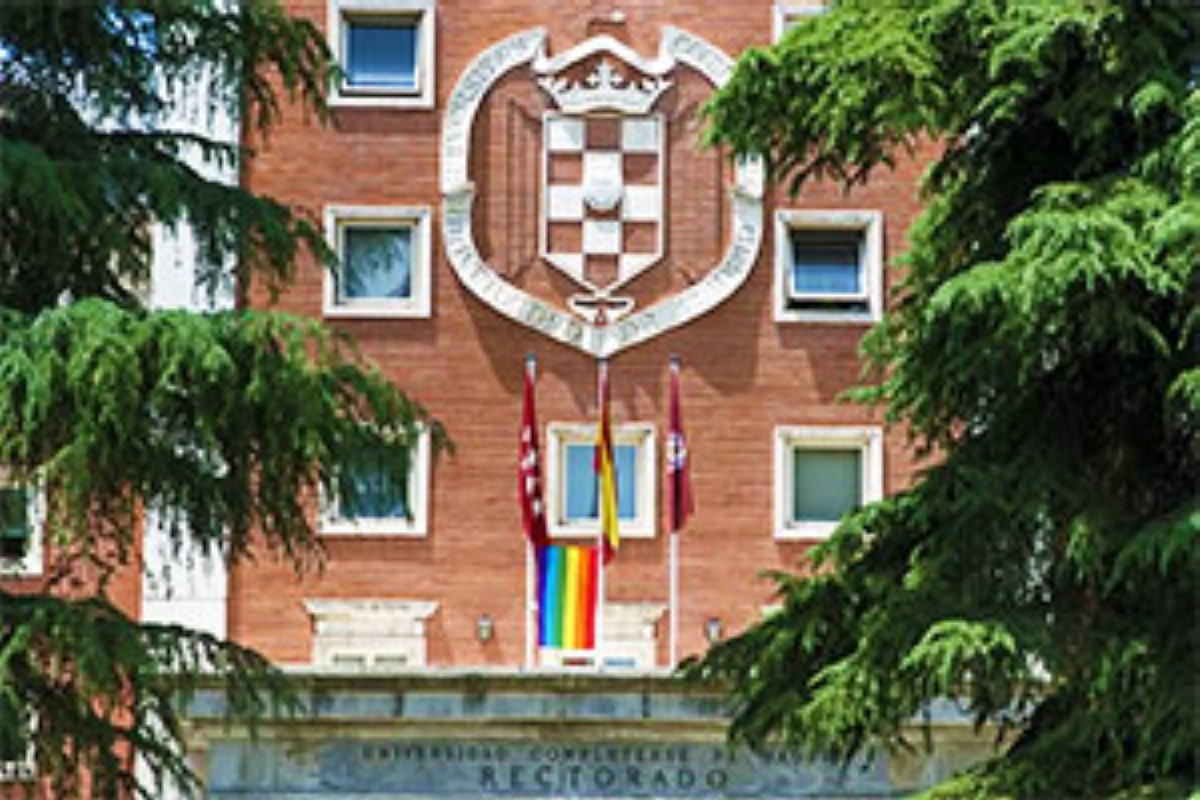
The university campuses in Spain are stunning, and studying here is a pleasure in itself. Here’s a photo of one of my personal favorites, the University of Salamanca, to give you some motivation!
But let’s get back to the point. To apply for a scholarship, you first need to know what’s available. Broadly, they fall into three categories: government scholarships, university scholarships, and institutional scholarships. Government scholarships usually offer the largest amounts but are also the most competitive. University-specific scholarships, on the other hand, have more openings, are more targeted, and should be the main focus for most of us.
Core Elements of a Scholarship Application
To successfully secure a scholarship, you need both ‘hard’ and ‘soft’ skills. Hard skills refer to your academic performance, while soft skills are demonstrated through your application essays and overall profile.
Common Application Materials Checklist
Below, I’ve compiled a table, similar to what you’d need when applying for a master’s degree in Spain, listing the most common documents required for scholarship applications. You can start gathering these in advance:
| Document Category | Specifics | Notes |
|---|
| Academic Documents | Diploma, Degree Certificate, Academic Transcripts | All require official translation and legalisation/notarisation |
| Personal Documents | CV/Résumé, Letter of Motivation | The letter of motivation is crucial! |
| Letters of Recommendation | At least two, from your professors or supervisors | Contact your referees well in advance |
| Language Proficiency | Spanish DELE/SIELE, English IELTS/TOEFL | Provide based on the language of instruction and requirements, similar to Spanish public university applications |
| Other Documents | Passport copy, portfolio, etc. | Depends on the specific scholarship requirements |
A Few Tips to Increase Your Success Rate
- Grades are king
! No matter what scholarship you’re applying for, an excellent GPA is the first thing they’ll look at. For those of you still studying, make sure to get your grades up!
- Write a compelling letter of motivation. This is your only chance to ‘speak’ directly to the selection committee. Don’t use templates; tailor it to your own experiences and the program you’re applying to, and genuinely express your passion and plans.
- Never miss the deadline! This is crucial for things like Spanish university undergraduate applications
and even more so for scholarships. While you might find some processes in Spain to be relaxed, scholarship deadlines are extremely strict. Many close six months or even earlier before the academic year starts, so be sure to check the official websites well in advance.
- Cast a wide net. Besides the major scholarships from the Ministry of Education, dig deep into the websites of your target universities and departments. You’ll often find smaller, ‘niche’ scholarship programs with fewer applicants and a higher success rate! These can include tuition fee waivers, accommodation subsidies, and more.
Applying for scholarships is a process that tests your research skills and patience, but it’s absolutely worth it. I hope this guide helps make your study abroad journey a bit smoother. If you have any success stories or pitfalls to share, feel free to leave a comment below! Wishing you all the best in securing your dream offer and scholarship
! And achieving tapas freedom.
